Finding an alternative peak: Park City athlete and TBI awareness ambassador summits Kilimanjaro
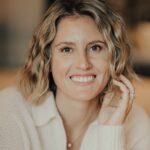
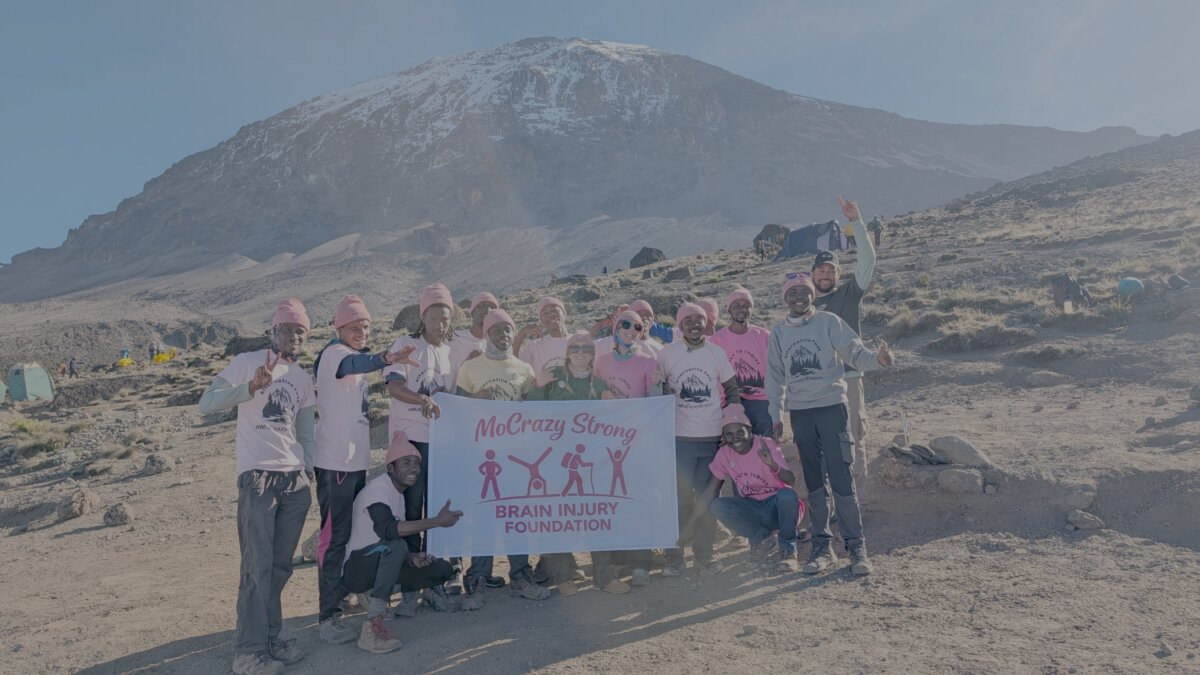
PARK CITY, Utah — Jamie MoCrazy spent much of 2015 relearning how to walk and talk. Last month, she stood atop Mount Kilimanjaro.
MoCrazy, a former professional skier and X Games competitor, became the first woman to land a double flip in an X Games slopestyle competition in 2013. Two years later, a fall left her with a traumatic brain injury and in a coma. She summited Africa’s tallest mountain on June 23, marking 10 years since the accident that changed the course of her life.
“When I was in the hospital at Intermountain Medical Center, I was in inpatient rehab on the top floor. I would look out the windows and be inspired by the Wasatch Mountains,” MoCrazy said. “It instilled in me this belief that I could climb an alternative peak. I started creating this narrative that I had been climbing up my mountain of life, then I was caught in a metaphorical avalanche and slid to the bottom. I had two choices: I could stay stuck at the bottom, or I could choose to climb an alternative peak.”

That metaphor became the foundation for the MoCrazy Strong Foundation, the nonprofit MoCrazy and her family started after her recovery. The organization supports brain injury survivors and their families through science-based education, community events and advocacy work.
The Kilimanjaro climb marked the foundation’s 10-year “Alive to Thrive” anniversary. MoCrazy said the mountain appealed to her because it was an attainable but significant goal, and because the climb itself mirrored brain injury recovery.
“You need to be patient so your body can acclimatize, and you have to just take one step in front of the next step, and just keep going,” she said.
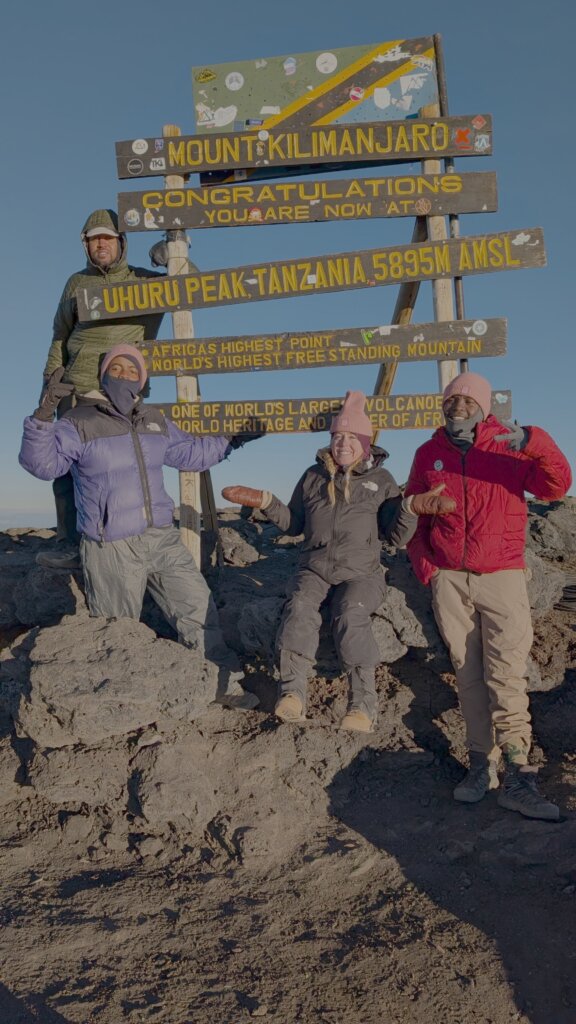
MoCrazy completed the eight-day Lemosho route with her mother, Grace Mauzy, and Kody Williams, a Canadian brain injury survivor and snowboarder. MoCrazy and Williams met while both were treated by the same doctor, Dr. Mypinder Sekhon, at Vancouver General Hospital. Williams still takes daily seizure medication as a result of his injury but reached the summit alongside MoCrazy. The team was led by head guide Gabby Leintz of Kilisherpas, a guiding company founded by a Tanzanian Kilimanjaro guide.
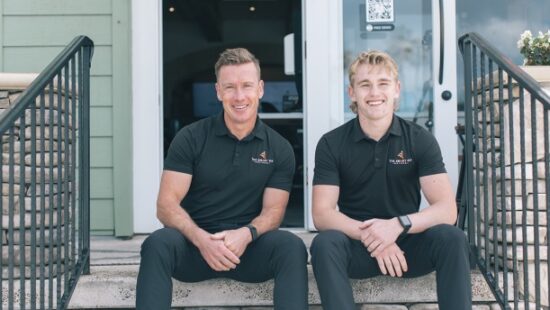
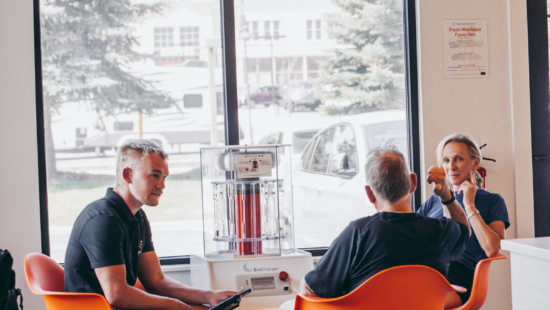
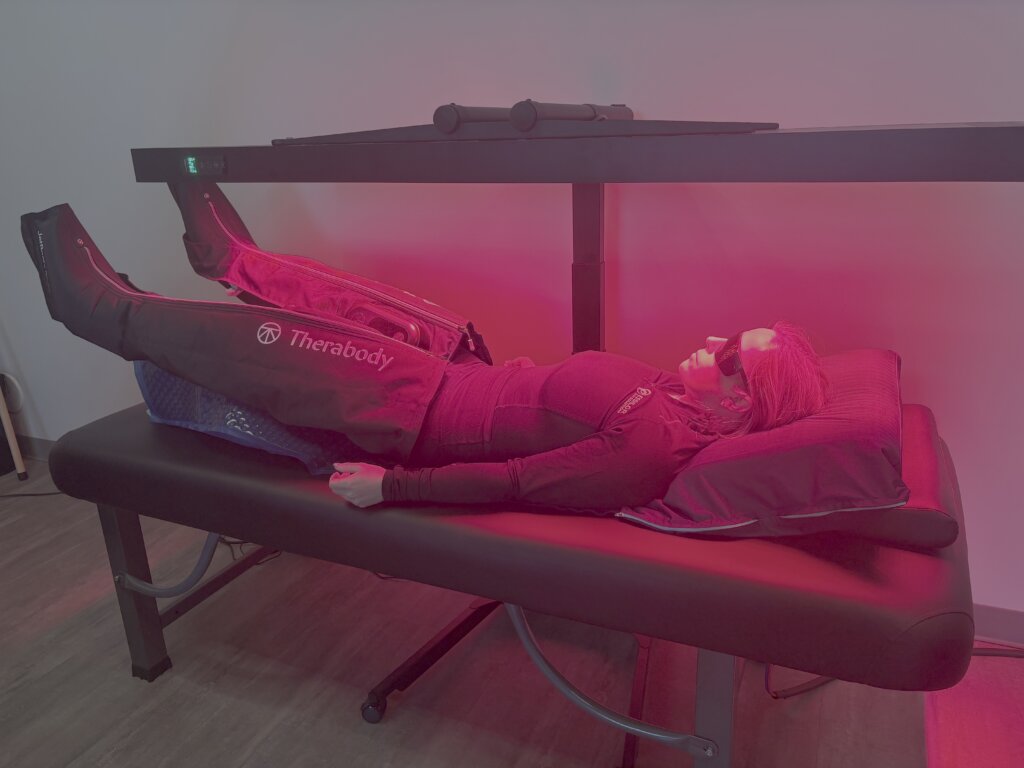
Two months before the climb, MoCrazy and her mother trained at The Smart Fit Method’s Park City location, working with trainer Nina three times a week. The sessions combined altitude deprivation training, gradually simulating elevations from 10,000 to 20,000 feet on a stationary bike, with recovery methods such as sauna and cold plunge therapy.
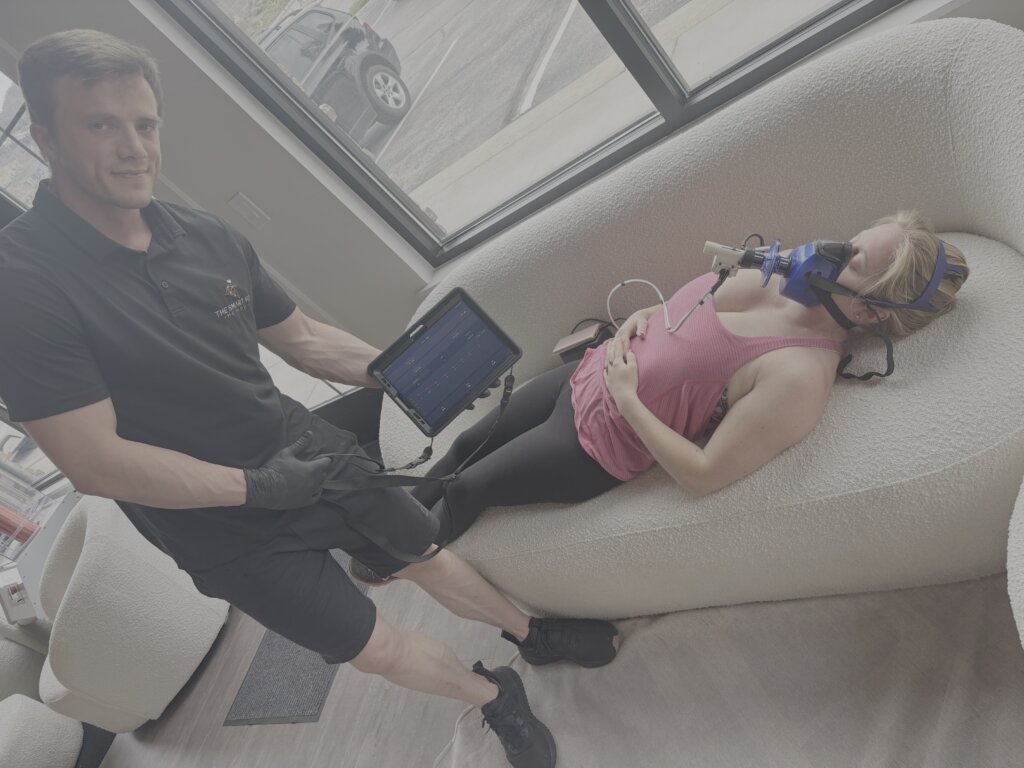
“Doing this intensive workout three times per week before our climb was helpful for injury prevention, oxygen deprivation training and muscle readiness,” MoCrazy said. She said her blood oxygen levels held around 98% for most of the trip and dropped no lower than 93% on the final day, and she never experienced altitude sickness.
“The first night at the hotel, we met a couple that had just finished the climb. They were limping and in poor condition, complaining how exhausted they were every day,” MoCrazy said. “For me, that wasn’t the case at all. I know it came from my training, and I was really excited about that.”
Mental preparation mattered as much as physical conditioning, MoCrazy said. Early in her recovery, she struggled to keep pace on even short walks with friends and family in Park City. Her mother, who has a master’s degree in psychology, suggested she reframe how she asked for rest.
“Instead of saying ‘I need a break,’ which is a negative connotation, I would say, ‘Let’s stop and look at the view,'” MoCrazy said. “There’s always a view, which has turned into a metaphor for everything in life. When life feels overwhelming, you can stop and look at the view instead of feeling like it’s just too much to handle.”
Guides on the climb reinforced a similar approach, discussing only the next day’s plan each night rather than the full itinerary ahead, she said.
“If you think you can do it, you probably can do it,” MoCrazy said.
MoCrazy has continued training at Smart Fit Method since returning from Tanzania.
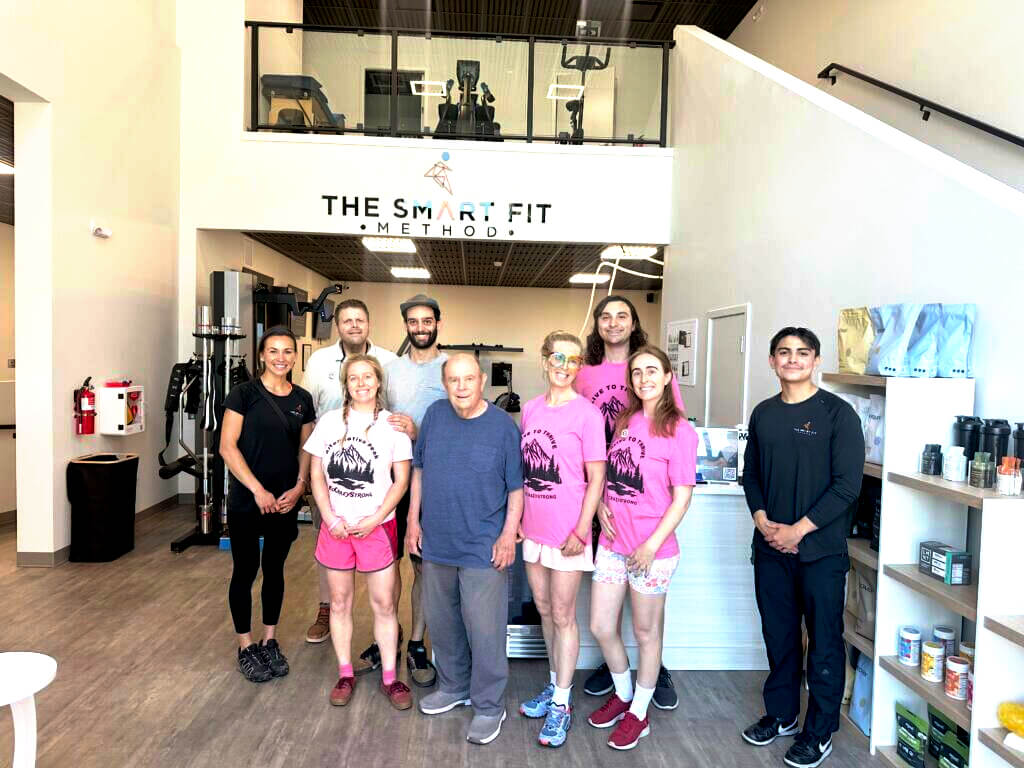
“I enjoyed my Smart Fit experience so much that I continue to work out there because rest and recovery play such a huge aspect to longevity,” she said. “I don’t think it’s just about living longer. I think it’s about living better for longer.”
The MoCrazy Strong Foundation is scheduled to serve as a charity vendor at the Vans Warped Tour stop in Long Beach, California, this weekend, where it will raffle a bass guitar signed by the band Bowling for Soup to raise money for the foundation’s programs. Those programs include Alive to Thrive events, which have included group skiing trips and indoor skydiving, with scuba diving under consideration for the future.
MoCrazy said she is also working with Kilisherpas to develop an “alternative peaks” retreat centered on the mindset training that shaped her own climb.
“If you have the mindset that you can recover, and then you look for the opportunities to help you build your life to reach the goals that you want to, you can reach your goals,” MoCrazy said. “That’s exactly what this trip shares.”
Smart Fit Method started with a father, a son, and a diagnosis


4251 E Lipizzan Jump
Moab, UT 84532