EPA cleanup proposal draws concern over public health, pet safety in Silver Creek corridor

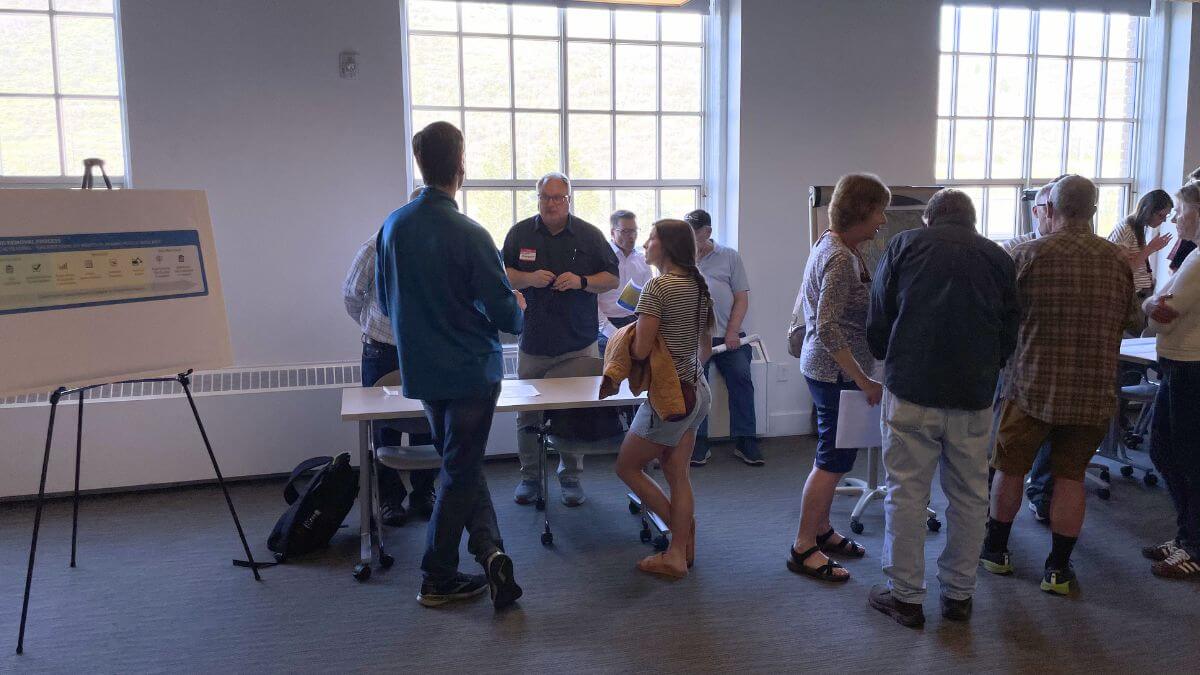
PARK CITY, Utah — Concerns about pet safety, public health, and potential disruptions to the Rail Trail dominated a public meeting Monday evening as residents talked to federal officials about a proposed cleanup of historic mine tailings along Silver Creek in the Richardson Flat area.
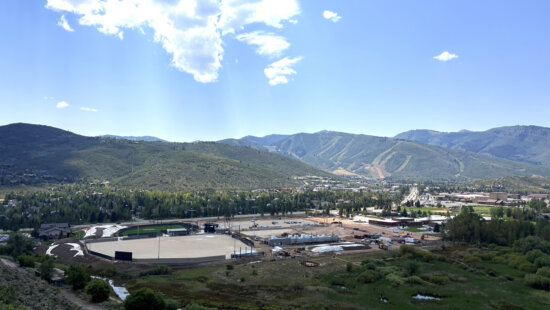
The U.S. Environmental Protection Agency (EPA) recently released an Engineering Evaluation/Cost Analysis (EE/CA) outlining several cleanup alternatives for a portion of the Richardson Flat area. The agency’s preferred option would cost roughly $20 million and target the most heavily used and contaminated portions of the creek corridor.
The site stretches roughly six miles from the Prospector area through the Snyderville Basin toward Interstate 80 and contains mine waste deposited over more than a century of silver mining activity. It would focus primarily on the riparian area along the banks of the creek, where EPA testing found heavy metals including lead, arsenic, cadmium and zinc at concentrations far above both federal screening thresholds and natural background levels.
EPA biologists at Monday’s meeting said a naturally occurring limestone deposit in the watershed has helped buffer some impacts on aquatic life by increasing calcium carbonate levels in the water, reducing acidity and allowing portions of the creek to continue supporting fish populations despite the contamination.
Still, one stretch of the creek near the center of the project area remains effectively “dead,” according to senior toxicologist David Berry, and is expected to be a primary focus of the proposed cleanup effort.
Resident concerns
The public open house drew a steady stream of residents concerned about impacts to the Rail Trail, public health, and pet safety.
Berry advised residents not to allow dogs to drink from Silver Creek and recommended rinsing muddy paws before bringing pets indoors to avoid tracking contaminated sediment into homes.
Berry also addressed concerns about airborne dust during excavation work. Because the tailings are fine-grained and easily windblown, dust control is a major component of the proposed cleanup. EPA plans call for water trucks, air monitoring stations, and perimeter dust controls intended to prevent contaminants from migrating off-site during construction.
Project managers said they would work to minimize disruptions to the Rail Trail and provide detour routes when closures are necessary.
Next steps
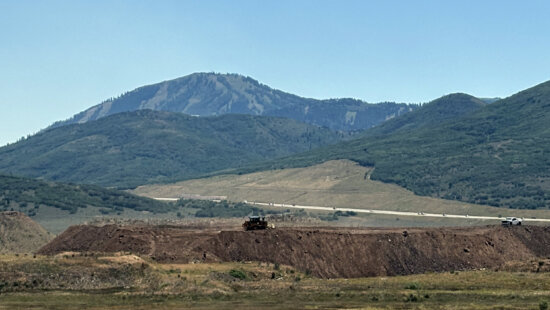
The preferred cleanup alternative would remove approximately 160,000 cubic yards of contaminated material from the upper portion of the corridor near the Rail Trail and transport it to the existing Operable Unit 1 repository near the Richardson Flat Park and Ride. Remaining portions of the corridor would be capped with clean soil and revegetated to stabilize soils and reduce erosion.
EPA officials emphasized Monday that the proposal represents only an initial phase of cleanup. A complete removal of all contaminated tailings across the corridor is estimated to cost between $70 million and $80 million — far beyond the roughly $17 million to $18 million currently available through a 2022 settlement with United Park City Mines Company.
The agency hopes to begin the project in summer 2027 following completion of environmental review and final design work.
The public comment period on the draft EE/CA remains open through June 8. Residents can submit written comments to Brent Campbell (campbell.brent@epa.gov).
EPA will review comments before issuing a final decision in a CERCLA Action Memorandum.


4251 E Lipizzan Jump
Moab, UT 84532
2266 E Garfield Avenue
Salt Lake City, UT 84108You May Also Like