Park City’s Dirty Dirt: No fines, enforcement as contaminated water, toxic soil concerns mount at junior high site

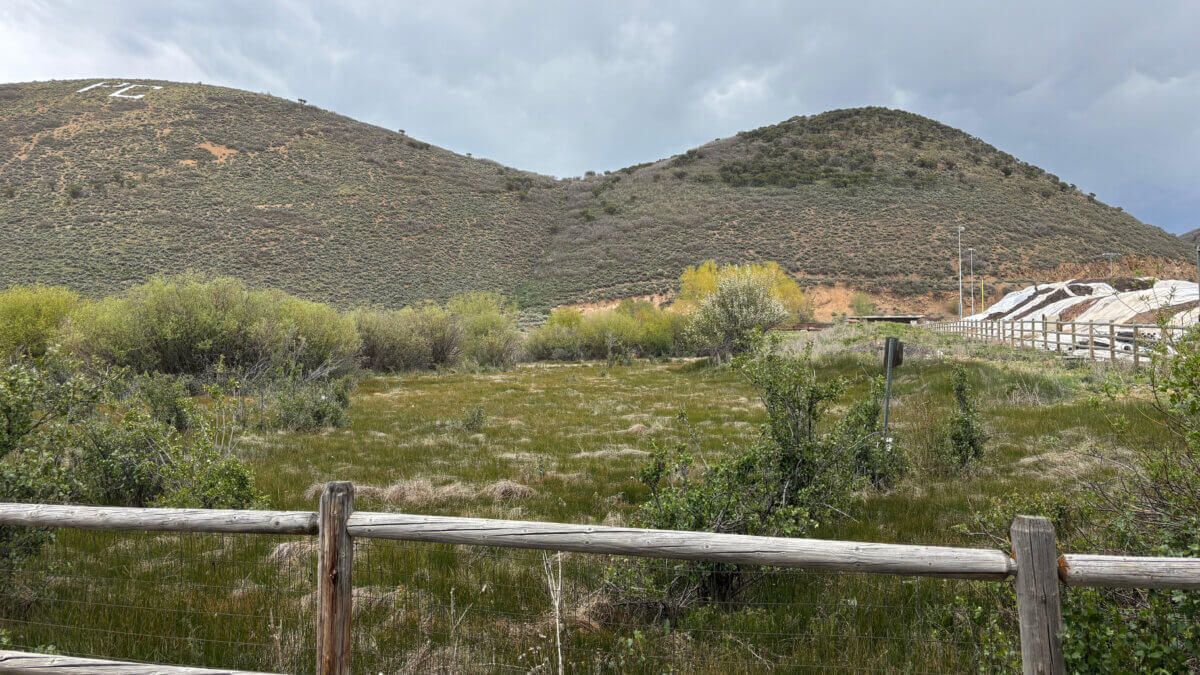
An ongoing TownLift series examining how Park City’s mining legacy continues to shape environmental and public health risks for local residents.
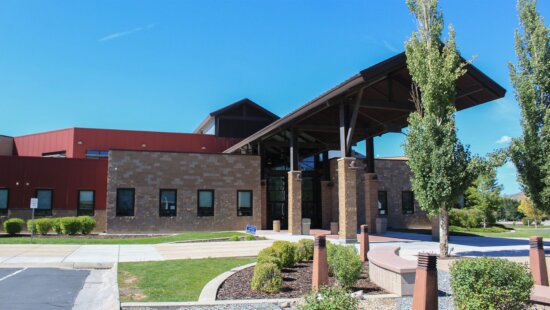
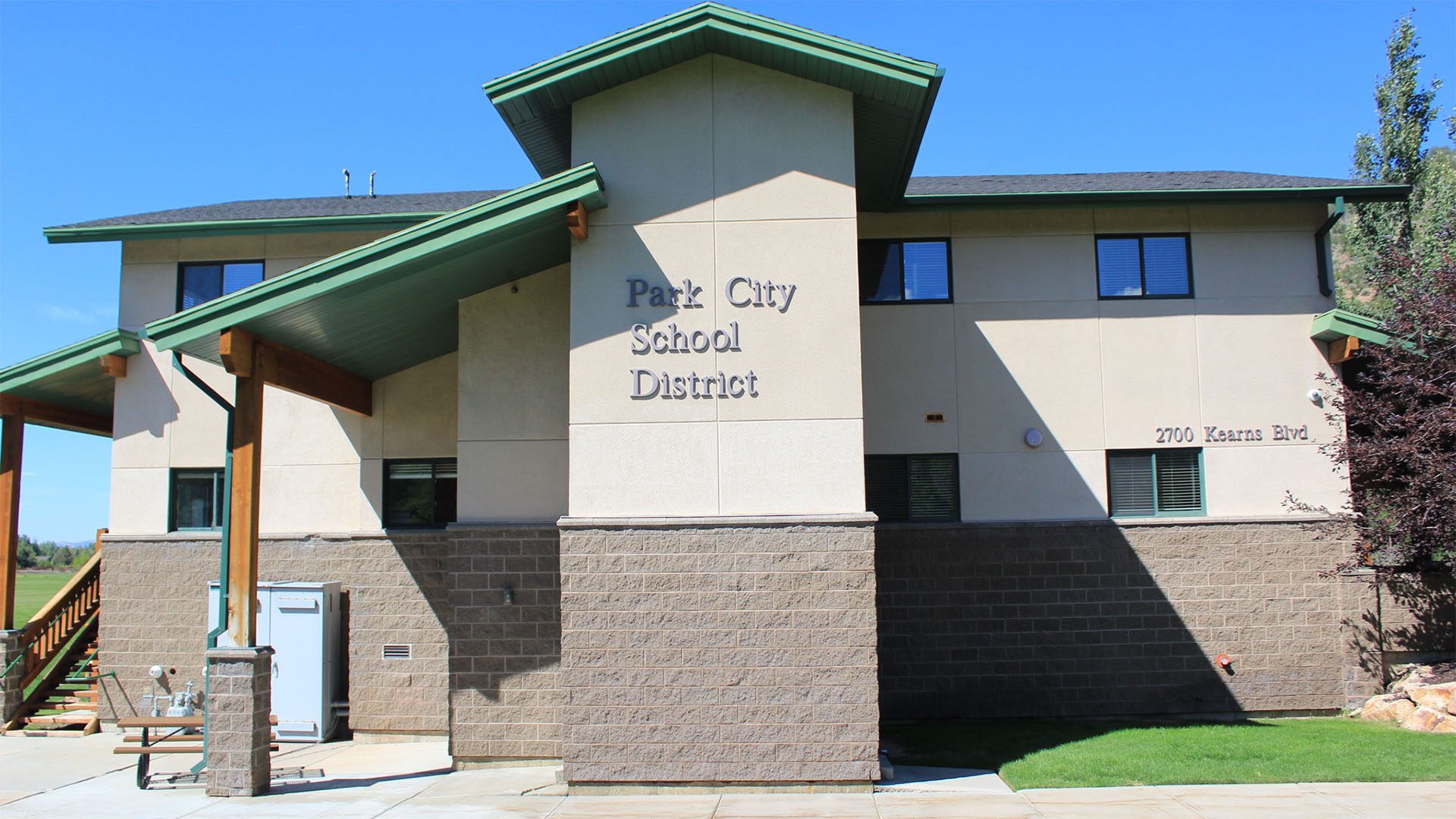
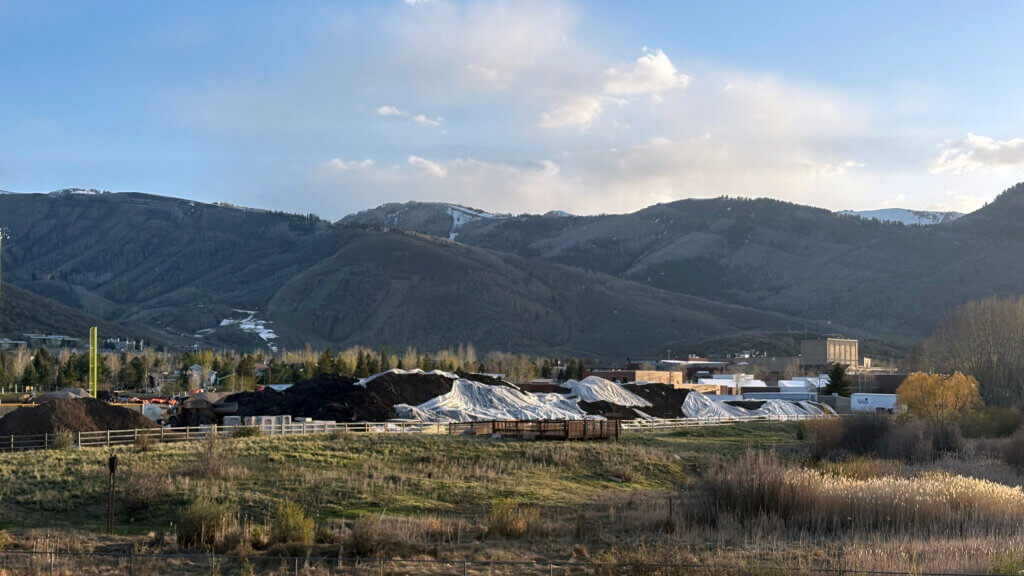
PARK CITY, Utah – Hazardous soil stockpiles remain at the former Treasure Mountain Junior High School site months after the Utah Department of Environmental Quality (DEQ) granted the Park City School District an extension to keep contaminated dirt on site.
The school district owns and manages the property and is in the process of redeveloping it into a school sports complex.
The DEQ previously confirmed to TownLift that newly excavated soil piles at the site contained hazardous levels of lead and arsenic and were being managed under state oversight.
In March, TownLift reported that multiple soil samples from the site’s north-side stockpiles exceeded federal hazardous waste thresholds for lead by five times the limit and site-specific thresholds by up to 36 times the limit. Additional tests showed arsenic concentrations up to 100 times the Environmental Protection Agency and Summit County’s established commercial soil standard.
The contaminated piles remained on site as of Monday, May 18.
The site’s legally binding environmental covenant, drafted by the U.S. Environmental Protection Agency in 2016, states that contaminated soil may be staged for up to 30 days before being removed or properly managed.
“Any portion of the top 6 inches of soil that is disturbed via any activity, including landscaping, must be replaced with soils containing 200 mg/kg lead or less within 30 days and must be planted with grass or other suitable vegetation to prevent erosion within 60 days unless a written waiver is obtained from DEQ,” the covenant states.
In an April interview with TownLift, DEQ spokesperson Dave Noriega said the state granted the school district an extension to that timeline.
“When it comes to the day-to-day stuff, that’s a little bit what this would be considered,” Noriega said. “Extending the staging times from 30 to 90 days, that’s allowed.”
Noriega said the extension was approved by DEQ’s Division of Environmental Response and Remediation and that the 90-day timeline aligns with broader state hazardous waste storage regulations.
“What we said is, yeah, you can have 30 days, but you can’t go past the 90 days that Waste Management and Radiation Control allows,” Noriega said.
The contaminated soil piles have been on site since at least Feb. 11, which would have placed the 90-day deadline on May 12.
TownLift asked the school district and state officials to confirm the date the current stockpiles were formed. Neither responded to that question by the time of publication.
The EPA told TownLift that while it authored the site’s environmental covenant, day-to-day oversight of the Treasure site now falls to the state.
The covenant was developed jointly by local, state and federal agencies. It outlines how soil must be managed or disposed of at the superfund site, where contaminated material was deposited during Park City’s mining era. The covenant does not specify fines or a defined course of action for non-compliance.
The document does state that soil failing the federal Toxicity Characteristic Leaching Procedure test, known as TCLP testing, cannot be returned to the ground.
“If you fail a TCLP test, that is considered hazardous soil and that cannot go back into the ground,” Noriega said.
The state-provided TCLP test of the soil shows lead exceeding the EPA and site-specific threshold by up to five times the limit.
The school district previously told KPCW that contaminated soil piles would be covered at the end of each workday as part of its compliance requirements. On April 20, TownLift observed the piles uncovered after work hours. Weeks later, the piles were still partially exposed. The DEQ has not stated whether the partial covering met its standards.
According to public records, the school district has received multiple environmental violations and non-compliance notices in recent years.
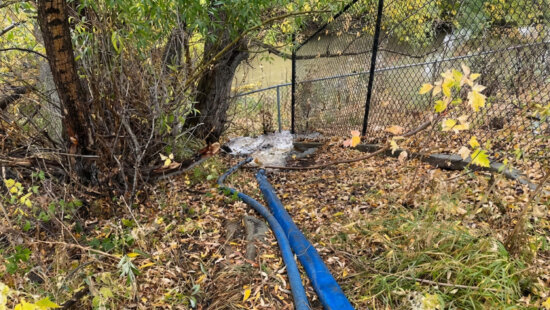
In the fall of 2025, district contractor Hogan Construction discharged lead and arsenic contaminated water into a nearby protected stream without the required permit. The DEQ separately issued the district a fine for its handling of asbestos during the demolition of the Treasure Mountain Junior High School building.
The DEQ has not yet released the findings of its investigation into the unpermitted water discharge. Noriega said he anticipates the report will become public sometime this month.
In 2022, KPCW reported the district had stored contaminated dirt on site for five years and that the EPA had indicated it could take over management of the site after the district did not come into compliance during an 18-month period.
Meredith Reed, currently a candidate for Summit County Council seat 5, served on the board during that period and is now president of the board of education.
“Our team has been very communicative,” Reed said in a statement emailed to TownLift. Reed said PCSD is “in full compliance with all regulations” but did not respond to questions about why the piles were uncovered at night or why they have been stored beyond 90 days.
Park City Mayor Ryan Dickey said the city has no regulatory role at the school construction site. Because it’s a school project, Park City doesn’t issue a building permit.
As of publication, no formal enforcement action has been announced by the DEQ or the EPA in connection with the current stockpiles.
Under the Utah Water Quality Act and federal rules, penalties can reach up to $10,000 per day per violation, and up to $25,000 per day for willful violations. If contaminated water entered a protected drinking water source, regulators may pursue additional penalties based on factors including public health risk, pollutant levels, duration of discharge, self-reporting, prior violations, environmental harm and avoided treatment costs.
If excavation, soil stockpiling or groundwater discharge were found to violate the environmental covenant tied to the EPA cleanup, the district could face corrective orders, additional remediation requirements and potential state or federal enforcement. The covenant also states that the district must reimburse the Utah Department of Environmental Quality for technical reviews, inspections and other enforcement-related actions.
ABOUT THIS SERIES
Park City’s Dirty Dirt
Park City was built on mining. More than a century after the silver, lead and zinc operations that put the town on the map shut down, the residue of that industry remains in the soil, the water and the air around active construction sites, schools, neighborhoods and trails.
Park City’s Dirty Dirt is an ongoing TownLift series tracking how that legacy is being managed today. We follow the testing data, the agencies responsible for oversight, the contractors moving the dirt and the rules that govern what happens to contaminated material once it is disturbed. Each installment focuses on a single site, decision or unresolved question.
Have a tip, document or test result you think we should look into? Email tips@townlift.com.


2266 E Garfield Avenue
Salt Lake City, UT 84108