Utah deer thrive through mild winter, but a dry spring could bring trouble

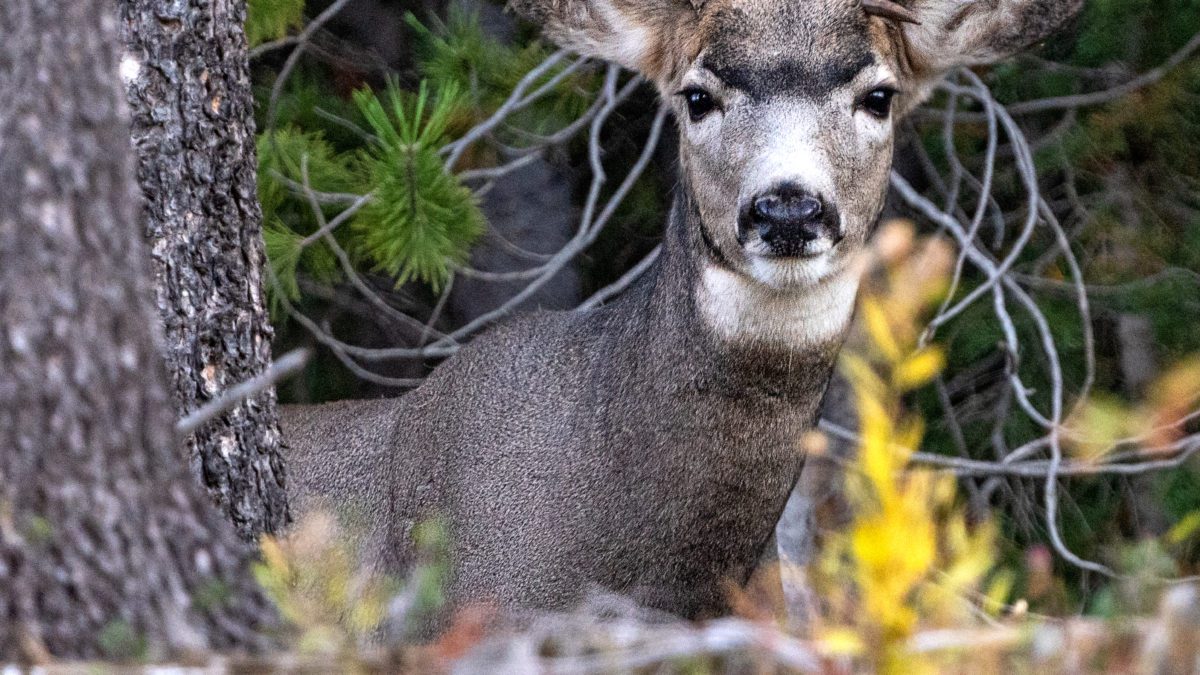
UTAH — While skiers have suffered from the lack of powder days, the mild winter has been great for mule deer survival, according to results from Utah Division of Wildlife’s bi-annual big game assessment.
However, the news comes with a caveat. If spring precipitation doesn’t deliver, it could cause nutritional problems for a deer population already under stress.
An uncertain outlook for deer nutrition
Twice a year, DWR biologists perform big game captures across the state, monitoring big horn sheep, deer, elk, moose, mountain goats, and bison. For each animal captured, the crew performs health assessments and places a GPS collar on the animal to learn more about migration patterns and survival rates.
The first assessment is performed in November to measure animal health going into the winter, and another is performed in March to measure body fat and overall nutritional condition exiting winter and to check pregnancy rates in doe deer. When researchers find a pregnant doe, they insert a transmitter that alerts biologists when a fawn is born so researchers can locate the newborn fawn and assess health, survival rates, and cause of death if the fawn doesn’t survive.
The March 2026 assessment found adult deer across the state were in “average” to “below-average” nutritional condition. Officials say deficiencies are likely linked to the hot, dry summer conditions in 2025.
DWR warned that while the mild winter was beneficial for survival rates, without spring precipitation deer could once again face nutritional problems during the summer.
Big game assessment history and impact
These assessments have been going on for over a decade in Utah. “We have learned a lot about deer and other big game animals during that time, which in turn, has helped to inform our management decisions,” said DWR Big Game Projects Coordinator Kent Hersey.
Data from the health assessments and GPS collars help the division implement habitat projects and determine recommended big game permit numbers for each hunt, according to Hersey.
Migration data from GPS collars also helps staff and researchers “map migration routes, identify and reduce barriers to wildlife movement, understand connectivity across management units, and identify areas for habitat conservation and improvement,” said DWR Utah Wildlife Migration Initiative Coordinator Makeda Hanson. “One component of that is incorporating wildlife crossing structures on the landscape to assist in wildlife migration.”


4251 E Lipizzan Jump
Moab, UT 84532