Heading out on the water? What Utah boaters need to know about aquatic invasive species this season

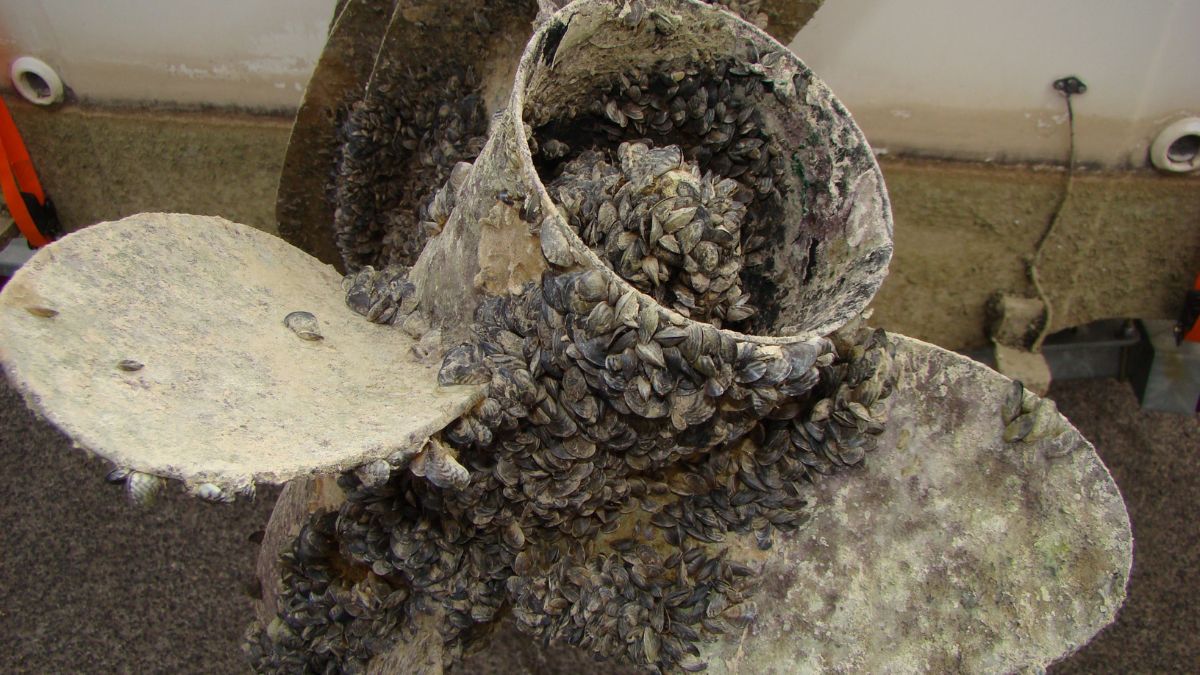
UTAH — As temperatures rise and boating season begins, Utah officials are reminding residents and visitors that several requirements remain in place to help prevent the spread of aquatic invasive species, specifically quagga mussels and Eurasian watermilfoil, across the state’s waterways.
A few legislative changes regarding the state’s aquatic invasive species boater requirements were recently passed. However, they will not go into effect until Jan. 1, 2027. So the Utah Division of Wildlife Resources announced that regulations in effect last year will remain the same for anyone boating, paddleboarding, or kayaking in Utah this year.
Under state law, anyone launching any type of watercraft in Utah must complete an annual mussel-aware boater education course. In addition, individuals with motorized boats must pay an annual aquatic invasive species program vessel enrollment fee, separate from regular boat registration.
Boaters are required to remove drain plugs and sea strainers from watercraft when leaving any waterbody and during transport. All watercraft must be cleaned, drained and dried to help prevent the spread of invasive species, such as quagga mussels and Eurasian watermilfoil.
The AIS fee is $20 per watercraft for Utah residents and $25 for nonresidents. The course must be completed before payment can be submitted. Once both steps are completed, boaters will receive a current-year decal for their vessel. The AIS fee can be paid online, while the boater registration fee is processed through the Utah Division of Motor Vehicles.
Funds from the AIS fee are used by the Utah DNR to help pay for new dip tanks being installed around the state that more efficiently decontaminate boats and also pay for staff to help inspect and decontaminate boats in areas without dip tanks, according to Lt. Bruce Johnson, Utah DNR Law Enforcement Aquatic Invasive Species Statewide Operations.
Where to decontaminate watercrafts
There are over 40 inspection stations located around Utah with some located at boat launch ramps and others along highways. There are also five dip tanks in Utah in operation with two more scheduled to open this year, including one at Jordanelle State Park.
The dip tanks are located at the following locations:
- Lake Powell — Stateline Launch Ramp at Wahweap Marina
- Utah Lake State Park
- Sand Hollow State Park
- Lake Powell — Bullfrog Marina
- Willard Bay State Park
- Jordanelle State Park (a new dip tank that will be operational in 2026)
- Lucerne Valley Marina at Flaming Gorge (a new dip tank that will be operational in 2026)
Officials also warned boaters that due to ongoing severe drought conditions, Lake Powell will have low water levels this year. Boaters should check the Glen Canyon National Recreation Area website for updates on launch ramp conditions.
The cost of invasive species
Quagga mussels, a small but destructive freshwater mollusk, pose major risks to Utah’s waters and infrastructure:
- They clog water intake pipes and irrigation systems, costing millions to clean and maintain.
- They damage boat engines by fouling cooling systems.
- They disrupt ecosystems by consuming plankton that native fish depend on.
- Their dead shells litter beaches and can cause injuries.
Eurasian watermilfoil, an invasive aquatic plant, is also a concern:
- It grows in thick mats that block sunlight, crowding out native species and harming fish habitats.
- It can clog irrigation pipes and wrap around boat propellers.
- Even a small piece can start a new infestation in a waterbody.
- Removal efforts are extremely costly once established.
The plant has been detected in several Utah lakes and reservoirs, including Bear Lake, Strawberry Reservoir, Fish Lake, Otter Creek Reservoir and Tony Grove Lake, among others.
For more information about aquatic invasive species and how to comply with regulations, visit stdofthesea.utah.gov.


2266 E Garfield Avenue
Salt Lake City, UT 84108