Can Park City’s Bobsled Express beat traffic on SR-224?

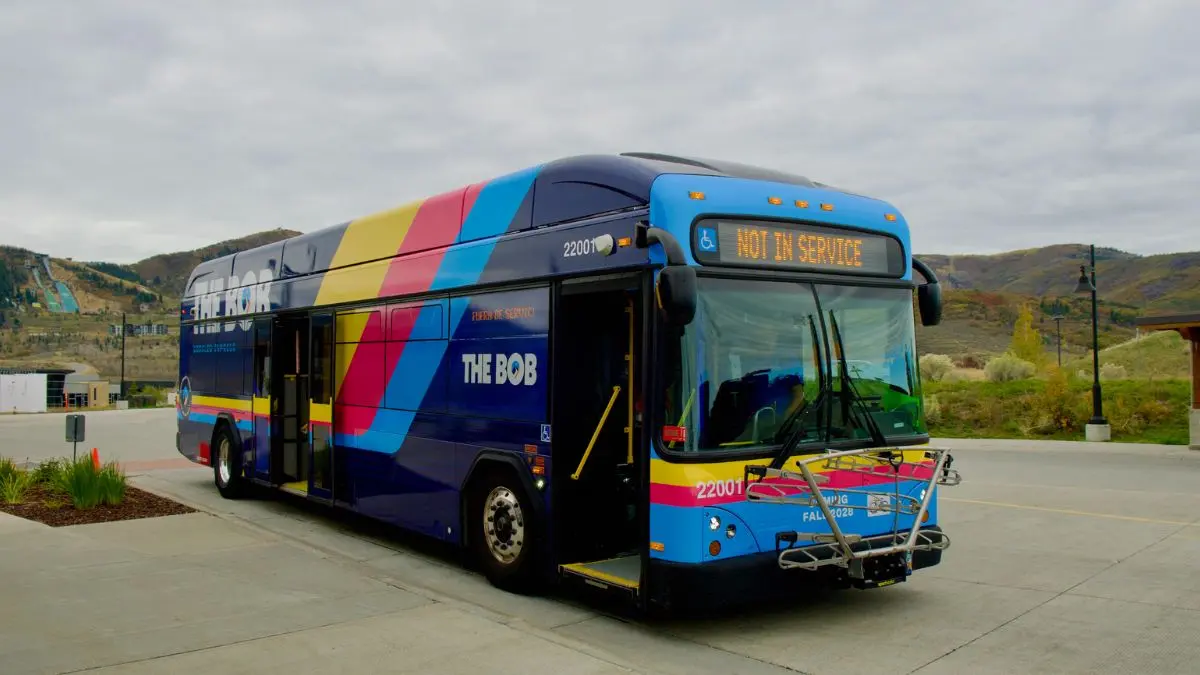
PARK CITY, Utah — High Valley Transit is investing more than $100 million in a new bus rapid transit system intended to make travel along State Route 224 faster and more reliable.
The Bobsled Express will connect Kimball Junction to Park City’s Old Town Transit Center along a roughly 7-mile corridor, replacing HVT’s current 10X route. The route features five stops between Kimball Junction and Old Town.
With buses running at 15-minute intervals, seven days a week, the system is designed to move 5,000 riders a day, using a combination of bus-only lanes, traffic signal priority, and more frequent service. The trips between Old Town to Kimball Junction are projected to take about 17 minutes on the bus.
“On opening day we’ll run the buses at 15-minute service, but on Saturdays, if there’s a big storm, or at the end of the ski day, we can ramp up service to 10-minute frequency, and then during a large-scale event like the Olympics we could run buses every two to three minutes,” said High Valley Transit Chief Development Officer Gabe Shields.
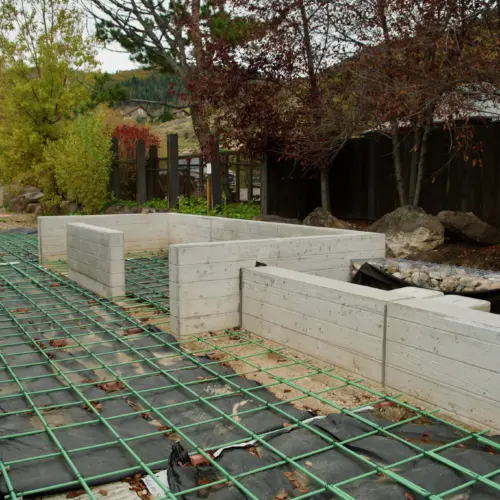
Construction began this summer and is expected to continue through 2028, though buses will already begin to operate in sections of the widened bus lanes this winter.
How Bobsled Express is designed to work
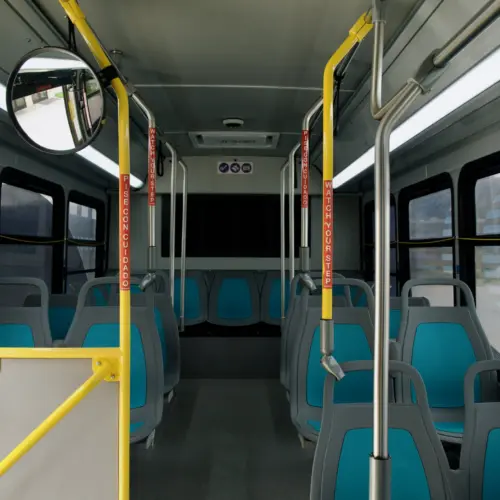
The Bobsled Express fleet is composed of electric buses stopping at near-level platforms that feature shelters, seating, and real-time arrival information.
Unlike a conventional bus route, the Bobsled Express will use dedicated lanes in the northern sections of SR-224, allowing transit vehicles to bypass traffic.
Shields said finding ways to help the buses move through traffic was a priority for the team.
“If a car is stuck in traffic and a bus is stuck in that same traffic, why would you take the bus?” said Shields. “So it’s really about how can we prioritize that transit experience.”
Once the bus merges with southbound traffic near Kearns Blvd, the project will use transit signal priority. If a bus is behind schedule, it can communicate with traffic signals to help it get through an intersection more quickly. The system allows buses to communicate with traffic signals, which can extend a green light or shorten a red light to help a bus stay on schedule.
The project also calls for fewer stops than local bus service, reducing the number of times vehicles must slow down and pull over.
“One of the key attributes of bus rapid transit is it’s really kind of billed as a train on rubber tires,” said Shields.
An investment in public transit
High Valley Transit’s online project materials list an estimated cost of $119.2 million, including roadway improvements, transit infrastructure, vehicles and other project expenses. The agency has secured $25 million in federal funding through the U.S. Department of Transportation’s RAISE grant program, along with state funding.
The project is intended to serve commuters, local residents, the area’s workforce, and visitors traveling between Kimball Junction and Park City proper.
“Whether you take transit or not, everyone really benefits from this system,” said Shields. With 3,000 to 5,000 people a day riding the bus, that reduces the number of cars on the road.
Shields also pointed to ridership demographics. “Our ridership is 70% workforce, and those are the people who are bussing the tables, changing sheets, spinning the lifts. The quality of life we enjoy in the Wasatch Back is so heavily dependent on people who don’t have access to a car. This project is so much bigger than just getting from your house to the ski resort. It’s a really big community-wide benefit.”
The existing ridership data provides a baseline for the corridor, but it remains to be seen how many people will opt to leave their cars behind to travel on the Bobsled Express. We’ll also have to await answers on how much congestion the project might reduce or how much more consistent bus travel times will become.
Those questions will be central to evaluating the investment once the service begins.
The work is expected to resume in spring 2027, with stations and additional roadway improvements built out over the following construction seasons. Final work is planned for 2028.


2266 E Garfield Avenue
Salt Lake City, UT 84108