Pineview Reservoir’s exposed lake bed draws scavengers, cleanup volunteers

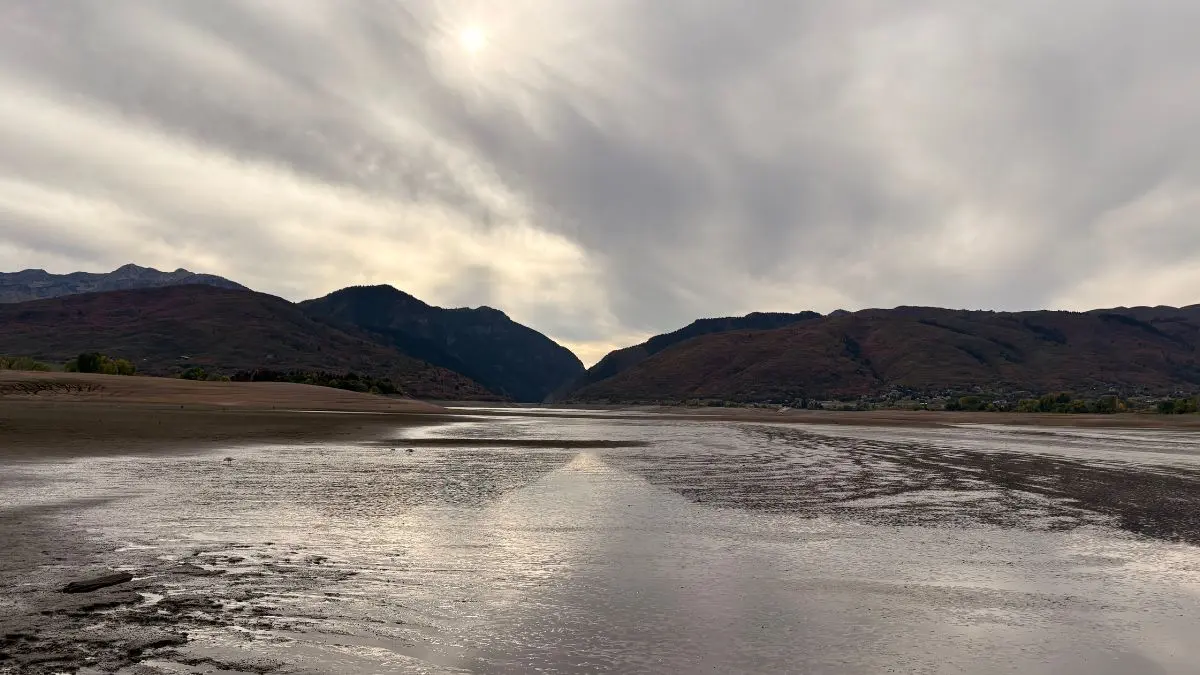
WILLARD, Utah — With Pineview Reservoir at minimum capacity amid construction on a major drinking water pipeline upgrade, receding water is exposing land that hasn’t seen dry air since the 1930s.
The mud is drawing a surge of metal detector wielding scavengers who are finding unusual historical items along with the debris and hazardous materials.
In September, two brothers who were combing the lake bed happened upon an unexploded hand grenade.
A lietenant with the Weber County Sheriff’s office told the Standard Examiner that Davis County Sheriff’s Office Bomb Squad was dispatched to the scene to dispose of the grenade in place. The grenade was safely detonated with a controlled explosion.
Even the grenade incident, Weber County Sheriff’s Office has warned people about the potential of finding dangerous items on the exposed lake bed. The Sheriff’s office also recovered a previously submerged vehicle and three firearms since the draining of the reservoir, according to the Standard Examiner.
Taking advantage of the low water levels, the Ogden Valley Watershed Group hosted a cleanup on National Public Lands Day that drew over a hundred volunteers to help clean up the lake bed.
Water from Pineview Reservoir reaches Great Salt Lake
So where is all Pineview’s water going?
The water release is largely driven by construction on the Ogden Canyon 36-Inch Pipeline Replacement project, a $100 million infrastructure upgrade managed by Ogden City.
But the drawdown has become part of a larger water-management effort benefiting the Great Salt Lake. Much of the water from Pineview Reservoir was released downstream to Willard Bay. Now, nearly 10,000 acre-feet of water is being delivered from Willard Bay to the lake and surrounding wetlands during fall bird migration, according to an early October announcement from the Great Salt Lake Commissioner’s Office and its partners.
The release will deliver about 3.26 billion gallons to Great Salt Lake and its surrounding wetlands.
“This water release highlights the crucial importance of collaboration to support and sustain the Great Salt Lake,” Great Salt Lake Commissioner Hannah Freeze said in the announcement. “The health of the lake is bigger than all of us, and it will take all of us continuing to work together to help restore it.”
The timing is significant for migratory birds. Willard Spur and Bear River Bay include waterfowl management areas overseen by the Utah Division of Wildlife Resources, and fall is a key period for water deliveries that support habitat and food sources for millions of waterfowl and shorebirds traveling along the Pacific Flyway.
“Releasing water flows to Willard Spur — especially in fall — is crucial to preserving Great Salt Lake’s health,” said Marcelle Shoop, executive director of the Great Salt Lake Watershed Enhancement Trust.


4251 E Lipizzan Jump
Moab, UT 84532