Park City’s Dirty Dirt: Bonanza Park’s toxic legacy must be cleaned before anything can be built

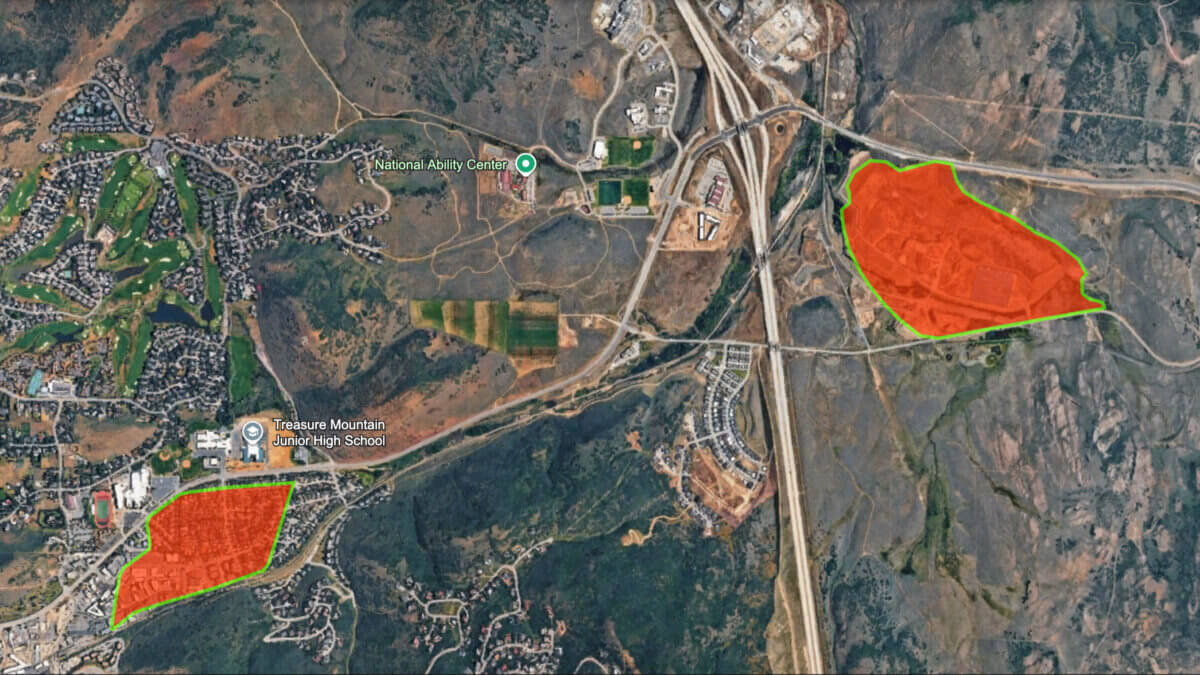
Historic U.S. Geological Survey maps from the 1950s show a mine tailings settling pond immediately adjacent to the Five Acre site, extending beneath what is now the Prospector neighborhood. Soil at Park City's Five Acre site holds lead at nearly 80 times the level the EPA considers safe for a residential yard, and more than twice the worst contamination dug up at Treasure Mountain Junior High.
PARK CITY, Utah — As city leaders and residents continue debating the future of Bonanza Park, one part of the property’s future is already decided: before anything can be built, the highly contaminated site in Park City must be cleaned up.
The city recently learned it was not selected for a $2 million U.S. Environmental Protection Agency Brownfields Cleanup Grant that officials hoped would help pay for the work. But the cleanup will move forward anyway, using money already built into the redevelopment budget.
“We applied for the EPA Brownfields Cleanup Grant because it would have funded a significant portion of the remediation work, including excavation, disposal and air monitoring, along with environmental consultant oversight,” said Ryan Blair, the city’s property and environmental services manager. “We were disappointed not to be selected, but it does not change our approach. As this site is redeveloped, addressing the contaminated soil will be an integral part of the work.”
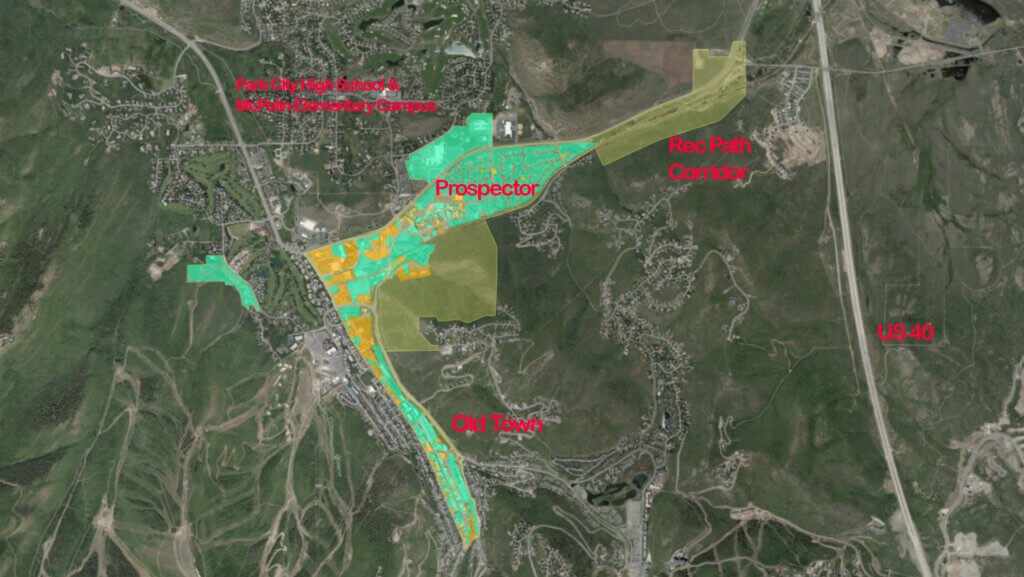
The Five Acre site represents a reality many newer Park City residents may not realize.
While many of the West’s historic silver mining towns were abandoned after the ore ran out, burned down or slowly disappeared, Park City reinvented itself. Mines gave way to ski lifts, hotels and neighborhoods. But the industry that built the town also left behind something much more permanent than headframes and abandoned tunnels. Millions of tons of mine waste containing lead, arsenic and other heavy metals that still lie beneath much of the city today.
That is why Park City has something few municipalities in Utah—or anywhere in the country—have: an environmental manager whose primary responsibility is overseeing contamination left behind by historic mining.
Blair administers the city’s Soil Ordinance, adopted in 1988 to reduce public exposure to contaminated soils. The ordinance requires protective caps of clean soil or other approved barriers over contaminated ground and governs how mine waste must be managed whenever construction disturbs the earth within certain mapped areas.
The Five Acre site is one of only a handful of properties still identified as “non-compliant” under the ordinance because it has never received a permanent protective soil cover. City Park is another.
That does not mean other properties are free of contamination. The difference is that compliant properties have been capped with six inches of clean soil to separate people from the contaminated soils below.
Recent environmental testing conducted as part of the EPA grant application illustrates the scale of the challenge.
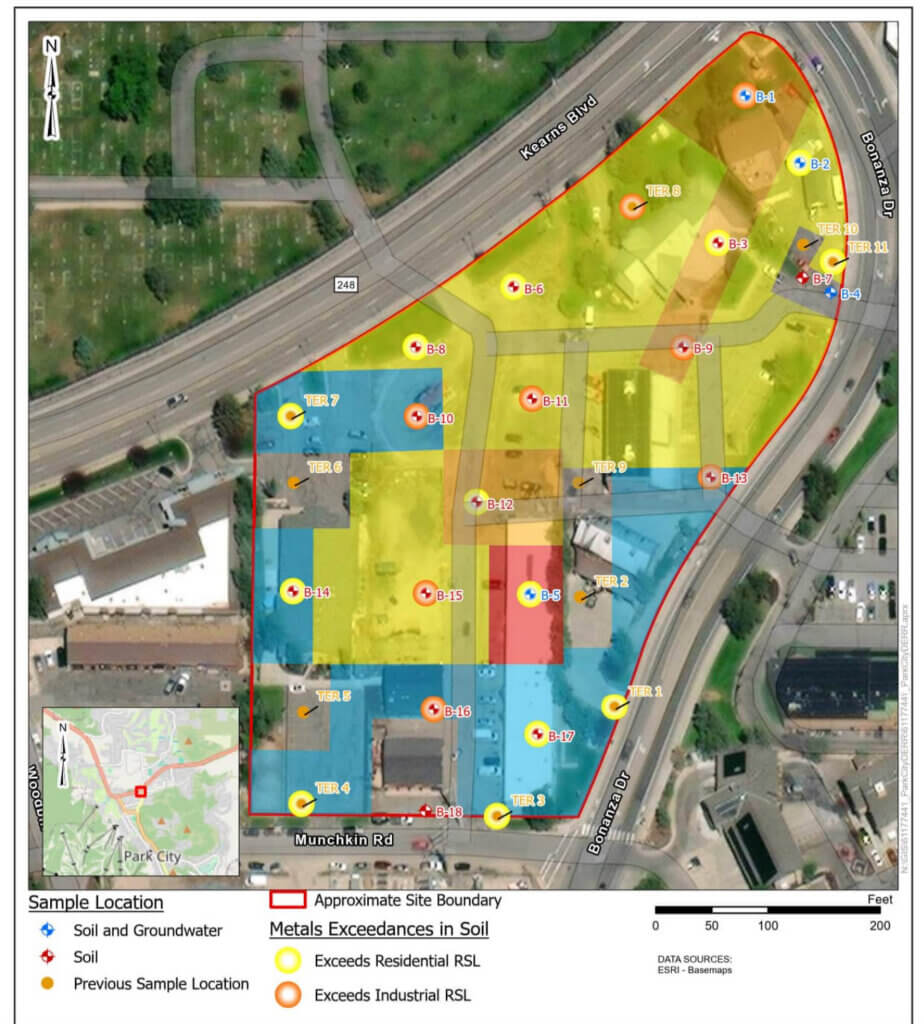
Recent environmental testing conducted as part of the EPA grant application illustrates the scale of the challenge. The highest lead concentration measured 15,700 milligrams per kilogram—nearly 80 times the EPA’s residential soil screening level for lead of 200 milligrams per kilogram and more than twice the highest concentration documented during excavation at Treasure Mountain Junior High. Arsenic concentrations at Bonanza peaked at 528 milligrams per kilogram, compared with 300 milligrams per kilogram at Treasure Mountain. Every soil sample analyzed exceeded the EPA and Summit County’s industrial screening level for arsenic of 3 milligrams per kilogram.
The contamination is hardly surprising given its past.
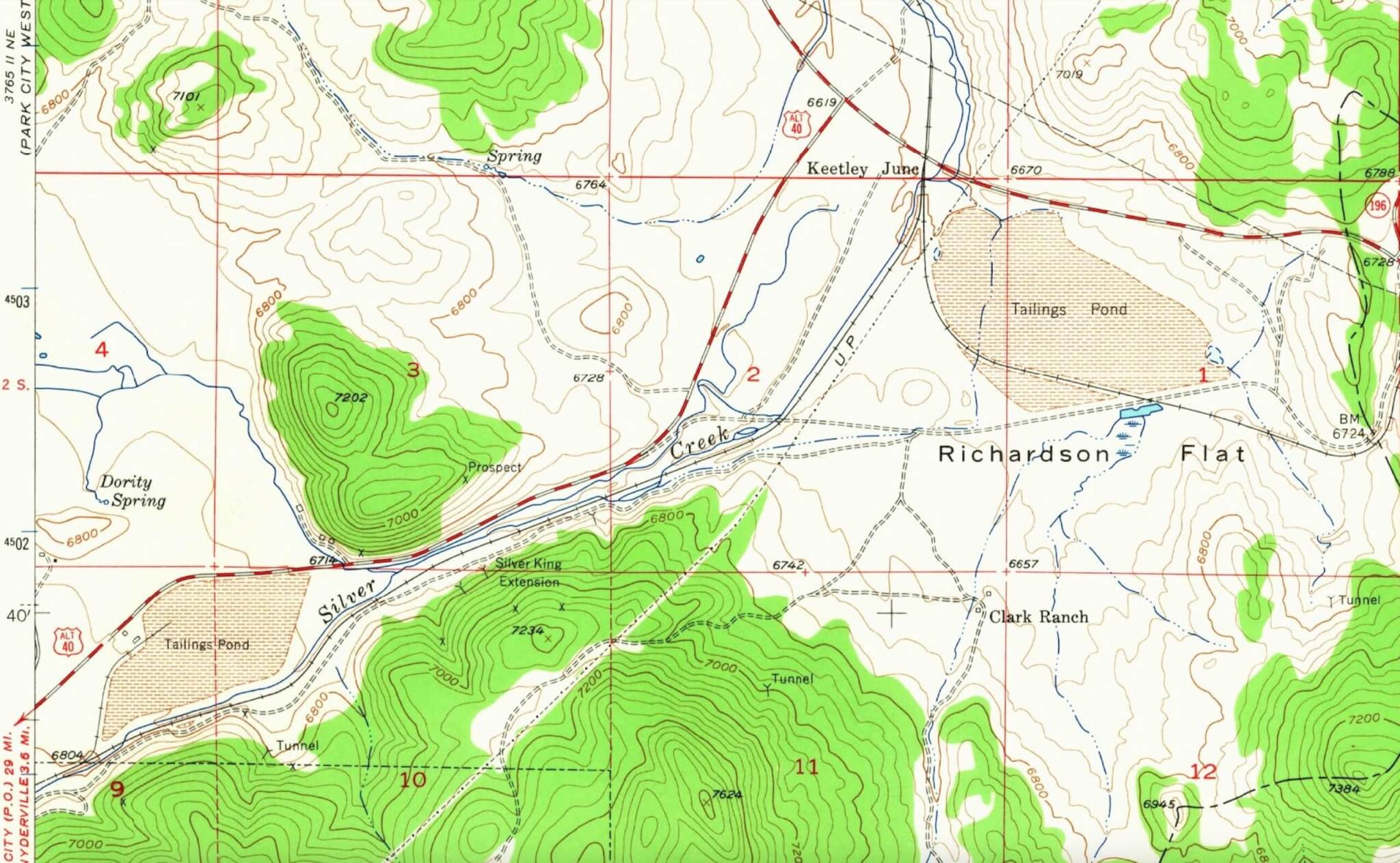
Historic U.S. Geological Survey maps from the 1950s identify a mine tailings settling pond immediately adjacent to the Five Acre site, extending beneath what is now the Prospector neighborhood. Those ponds were used during silver milling to separate crushed ore from water, leaving behind concentrated deposits of heavy metals including lead, arsenic and mercury. Much of that material remained after mining ended and today it forms part of the legacy contamination underlying portions of Park City.
“Because the majority of the contaminated soil is confined to the top six feet of the property, excavating for the proposed underground parking structure allows us to remove that material during construction,” Blair said. “Throughout excavation we will comply with the city’s soil cover ordinance and take extra precautions to protect human health, including active dust control, air monitoring and stormwater runoff controls. Once excavation is complete, we will conduct confirmation sampling to verify the work, and the state will provide additional oversight through the Voluntary Cleanup Program.”
The approach differs from recent events at the Treasure Mountain Junior High construction site.
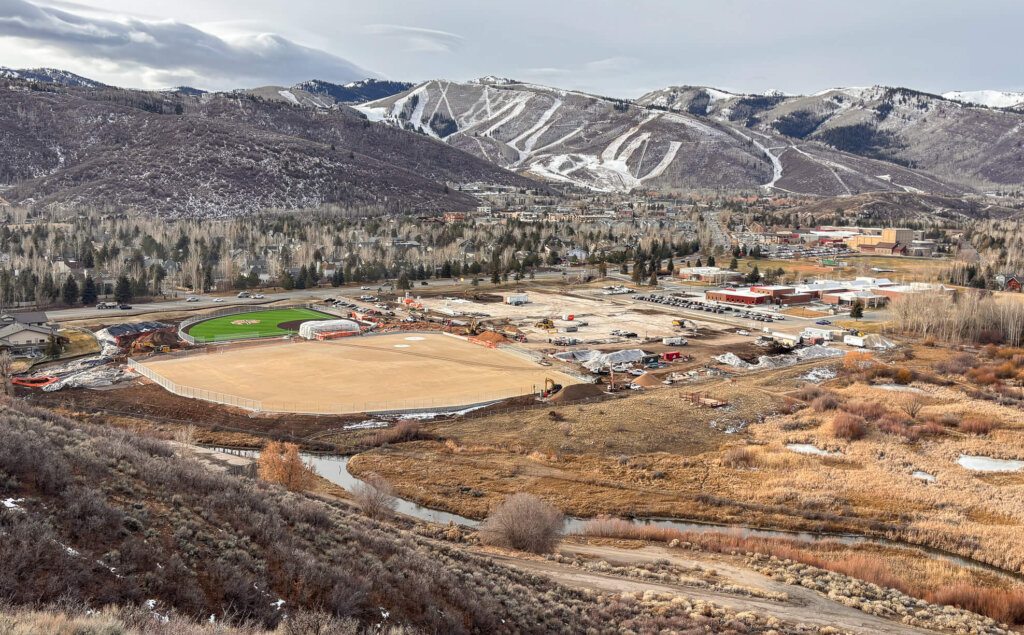
The Park City School District also entered construction at Treasure Mountain Junior High with approved environmental plans and a governing environmental covenant that established how contaminated groundwater and mine waste were to be handled. But state regulators later investigated unpermitted groundwater discharges, determined contaminated stockpiles exceeding federal leaching thresholds could not remain on campus under the covenant and continue to review other aspects of the project’s environmental compliance. In contrast, Park City officials say the Five Acre cleanup will proceed under a state-approved remediation framework before construction begins, with oversight through Utah’s Voluntary Cleanup Program.
“The Voluntary Cleanup Program gives the project a clear regulatory path and a defined endpoint,” Blair said. “It is used across Utah, including locally at the Old Town Transit Center and Park City Heights. When the work is verified as complete, the state issues a Certificate of Completion, which is a legal, limited release of environmental liability. That certificate is recorded on the property and transfers to future owners, which provides long-term certainty for everyone involved.”
The Five Acre cleanup will not be the last.
=Recent years have seen environmental remediation at the Gordo property before construction of a regional park-and-ride facility can begin and mining contamination at Park City Mountain was completed in Treasure Hollow.
Meanwhile, the EPA is preparing to deal with a $20M effort to clean up historic mine waste along the Silver Creek corridor near Richardson Flat as redevelopment pushes into what little remaining open land there is in Park City.
In Park City, the silver may be gone but the contamination it left behind is not.
ABOUT THIS SERIES
Park City’s Dirty Dirt
Park City was built on mining. More than a century after the silver, lead and zinc operations that put the town on the map shut down, the residue of that industry remains in the soil, the water and the air around active construction sites, schools, neighborhoods and trails.
Park City’s Dirty Dirt is an ongoing TownLift series tracking how that legacy is being managed today. We follow the testing data, the agencies responsible for oversight, the contractors moving the dirt and the rules that govern what happens to contaminated material once it is disturbed. Each installment focuses on a single site, decision or unresolved question.
Have a tip, document or test result you think we should look into? Email tips@townlift.com.


4251 E Lipizzan Jump
Moab, UT 84532
2266 E Garfield Avenue
Salt Lake City, UT 84108You May Also Like