Larry H. Miller begins moving contaminated mine waste at Richardson Flat under EPA agreement

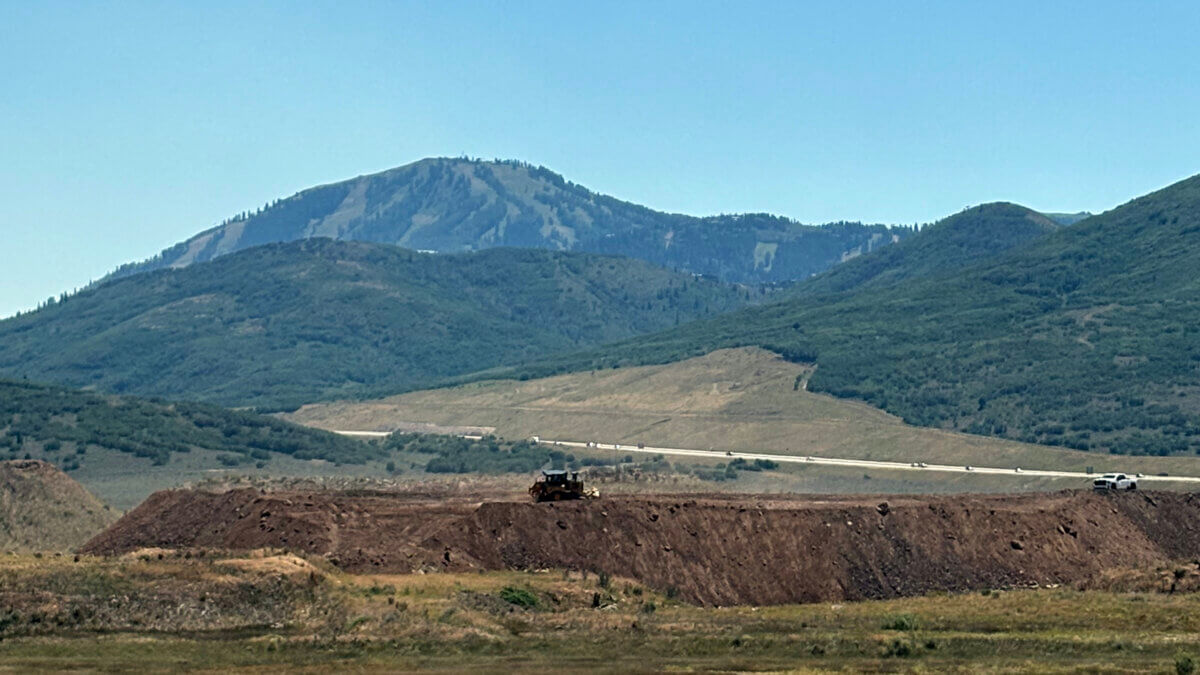
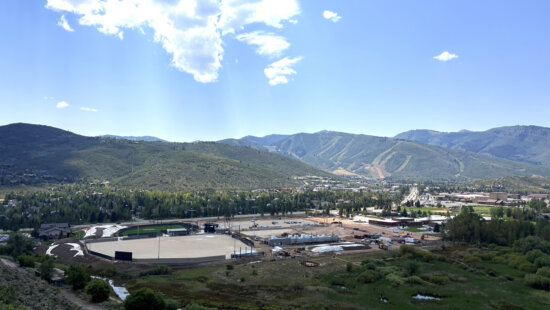
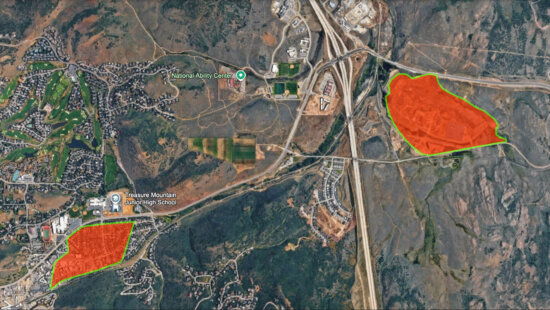
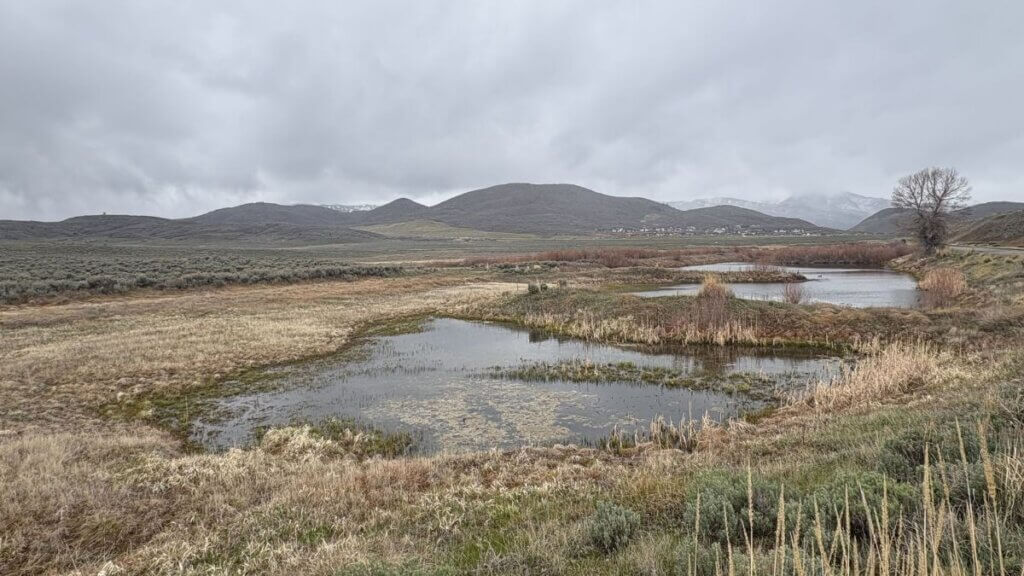
PARK CITY, Utah — Construction crews began excavating contaminated historic mine waste at Richardson Flat this month under an agreement with the U.S. Environmental Protection Agency and Utah regulators, as Larry H. Miller Real Estate prepares nearly 1,000 acres of the former mining area for potential future development, recreation or open space.
The work began Aug. 4 on property owned by Larry H. Miller east of Highway 40. About 10,700 cubic yards of historic mine waste is being excavated and consolidated in an existing tailings repository on the Richardson Flat site, according to the Utah Department of Environmental Quality.
The excavation is part of a March 9 administrative settlement agreement between the EPA, the State of Utah and a Larry H. Miller LLC that purchased the property. The agreement requires the company to clean up and manage the existing contamination, while giving it legal protection from liability for contamination that was already there when it bought the property.
Richardson Flat is part of a much larger area contaminated by Park City’s historic mining industry. The EPA says mining operations in the Park City district generated about 16 million tons of ore between roughly 1875 and 1982, leaving mine tailings containing heavy metals such as lead, arsenic, zinc and other contaminants.
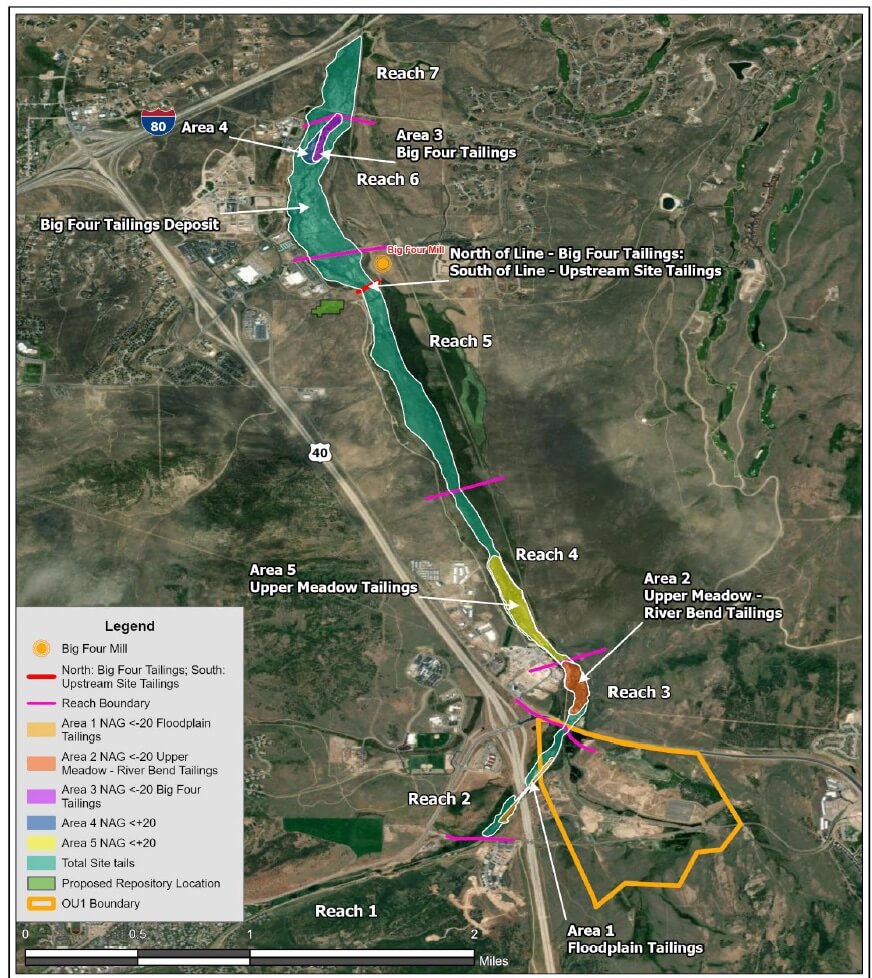
The Richardson Flat Tailings site is divided into four sections. The main 258-acre tailings impoundment, known as Operable Unit 1, contains approximately 7 million tons of mine tailings from the Ontario Mine. The EPA says cleanup of that impoundment is largely complete, with the area capped and stabilized.
The new work on the Larry H. Miller property is separate from the broader cleanup now being planned for contaminated areas along Silver Creek.
A cleanup agreement tied to future development
The March agreement was structured under the federal Comprehensive Environmental Response, Compensation and Liability Act, or CERCLA.
Larry H. Miller asaked for status that can provide liability protections to a buyer who acquires contaminated property while meeting specified environmental obligations.
In exchange, LHM agreed to a work plan covering excavation, grading and capping of historic mine waste.
The agreement also allows the EPA to place mine waste from Units 2 and 3 into the LHM (Unit 1) repository.
That means the current excavation is not just an effort to remove contaminated material from the Richardson Flat area. Much of the material is being “consolidated into a repository specifically designed to contain mine waste,” according to the EPA’s work plan.
The plan includes measures intended to prevent contaminated dust from leaving the site during excavation and handling. DEQ said that the work includes dust-control measures and stockpile covers.
The agreement also requires LHM to provide $1 million in financial assurance to guarantee it completes the obligations. LHM must also reimburse the EPA and the state of Utah for future response costs associated with oversight and enforcement of the agreement.
LHM is required to provide government agencies access to the property, comply with land-use restrictions and institutional controls, and exercise “appropriate care” to prevent continuing releases of hazardous substances.
The company also gets protection from lawsuits over contamination that was already on the property, as long as it follows the agreement.
A larger cleanup is still ahead
The work on LHM’s property is part of a much larger cleanup of historic mine waste in the Richardson Flat area. The EPA’s proposed cleanup of the Silver Creek corridor covers roughly six miles from the Prospector area through the Snyderville Basin toward Interstate 80, where testing has found lead, arsenic, cadmium and zinc at elevated concentrations.
Arsenic in soils there has measured up to 2,100 milligrams per kilogram — roughly 700 times higher than both the EPA industrial screening level of 3 mg/kg and Summit County’s background threshold. Lead concentrations reach as high as 75,000 mg/kg — more than 90 times the EPA screening level of 800 mg/kg and about 3,400 times above natural background levels.
The EPA’s preferred plan would remove about 160,000 cubic yards of contaminated material from the upper portion of the corridor near the Rail Trail and move it to Unit 1 near Richardson Flat. Other contaminated areas would be capped with clean soil and revegetated to reduce exposure and erosion.
The proposed cleanup would cost roughly $20 million, while EPA estimates removing all contaminated tailings throughout the corridor would cost $70 million to $80 million. About $17 million to $18 million is currently available from a 2022 settlement with United Park City Mines Company.
The EPA identified contaminated dust as a concern and has advised residents not to allow dogs to drink from Silver Creek because of the contamination.


4251 E Lipizzan Jump
Moab, UT 84532
2266 E Garfield Avenue
Salt Lake City, UT 84108You May Also Like