Park City pauses Little Kate–Lucky John Pathway plan, seeks redesign among safety concerns

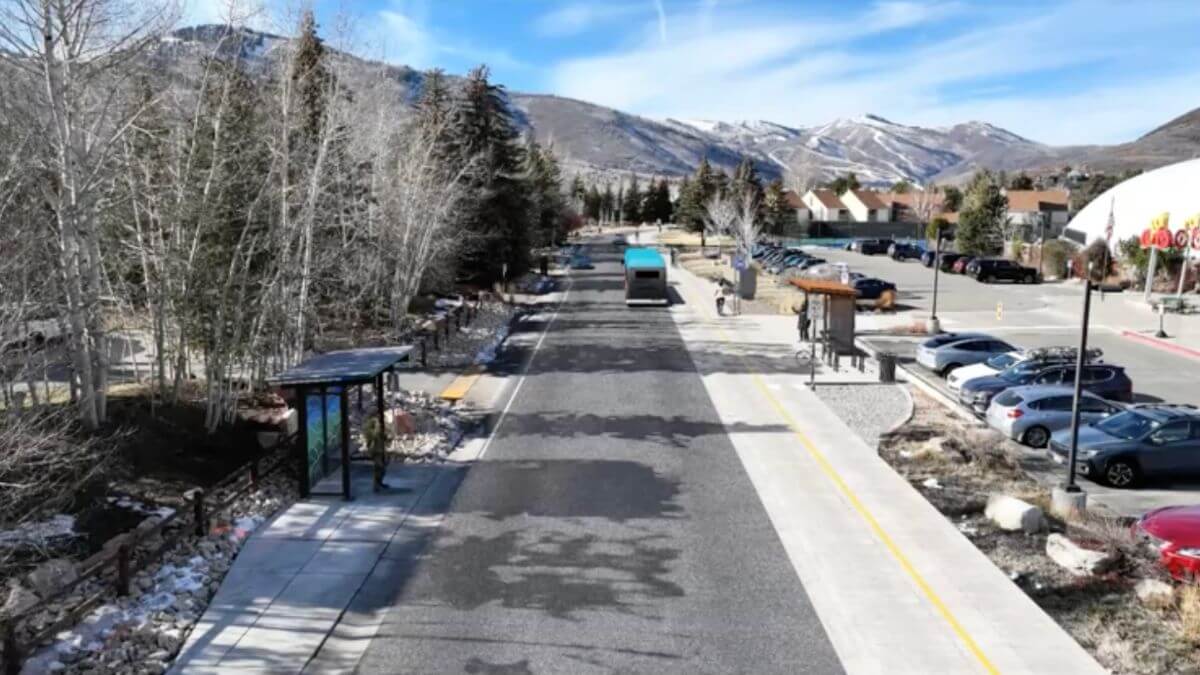
PARK CITY, Utah — The Park City Council hit pause Thursday on the proposed Little Kate–Lucky John multi-use pathway, directing staff to revisit the design after residents and council members raised safety concerns.
The pathway project has drawn significant feedback from those who live along and regularly use the corridor, with concerns centered on mixed use, e-bike speeds and enforcement, and winter maintenance.
City staff presented a plan featuring a 12-foot-wide pathway along the north side of Little Kate Road and an 8-foot-wide path along the east side of Lucky John Drive. The proposal would narrow existing roadways from roughly 30 feet to about 23.5 feet and connect to the Holiday Ranch Loop and McPolin trail systems.
The pathway is part of the city’s broader Bus Stop Improvements Project, scheduled to roll out over the next two years. The pathway component is estimated to cost $2.2 million, with most funding expected from the Federal Transit Administration.
During discussion, council members echoed community concerns, particularly around safety conflicts between pedestrians and e-bikes.
“I can never vote for this interaction between e-bikes and pedestrians,” said Councilmember Ed Parigian.
Some council members, including Parigian and Bill Ciraco, suggested exploring separate pathways for cyclists and pedestrians that run on opposite sides of the road. However, staff indicated that fitting two distinct paths within the corridor may not be feasible.
“I want you guys to move forward … but we need to take in some of the feedback that we’ve heard and see if we can come up with a more amenable solution in the corridor,” Ciraco told staff.
City Engineer John Robertson told council that similar multi-use pathway proposals are likely in the future and emphasized the need for clearer direction moving forward.
“We need to really have a good discussion with you folks so we don’t come down to the point again where we get this proposal before you, and council and residents come and say, ‘Ah, we don’t like this.’” Robertson said. “If we want something different here we need to work with you, work with groups, to put something together that’s going to be doable and constructable for everybody and bring the comfort level that people really want.”
Council ultimately directed staff to develop alternative design options and delay the project into Phase 2 of the Bus Stop Improvement Plan, expected to begin in 2027.


2266 E Garfield Avenue
Salt Lake City, UT 84108