Park City breathes wildfire smoke as Utah cities rank among nation’s worst for air quality

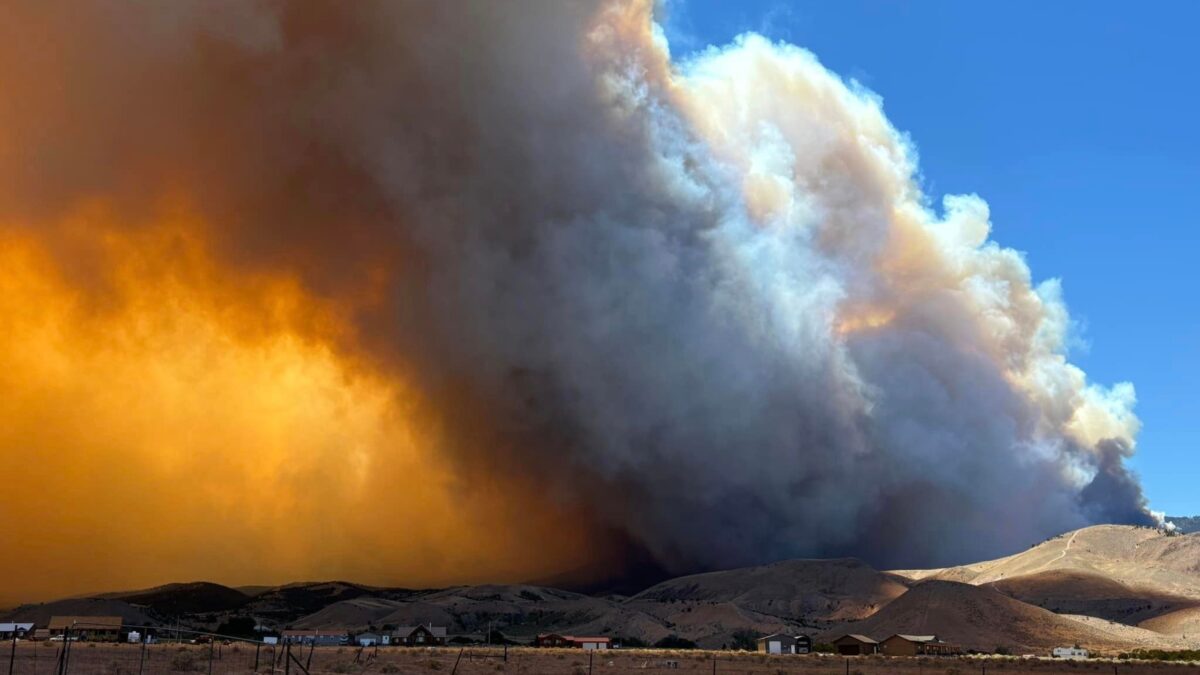
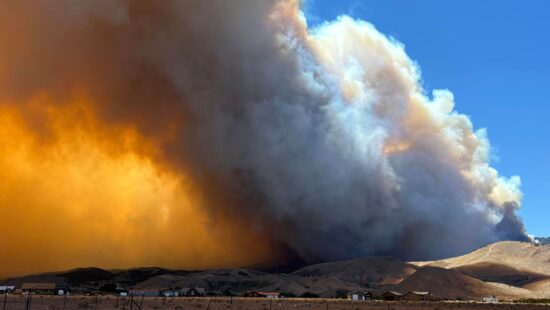
KSL reported that Monday’s smoke put multiple Utah cities among the 10 worst in the U.S. for air quality, as officials urge residents to limit exposure.
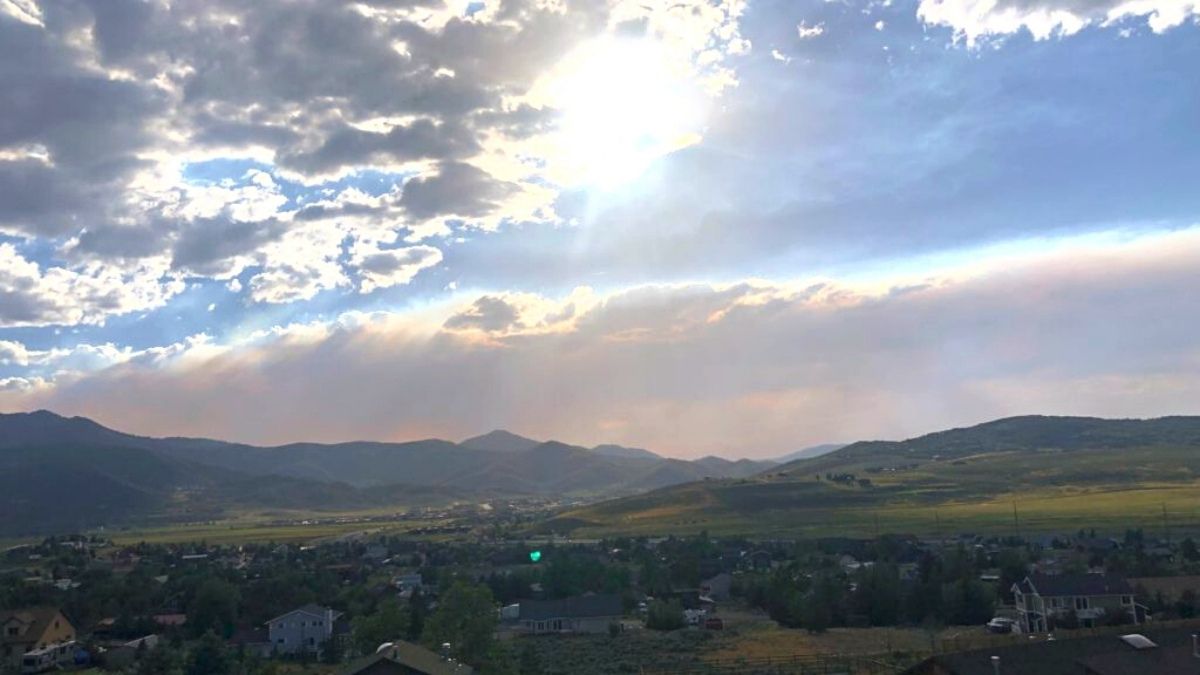
PARK CITY, Utah — Wildfire smoke drifting across Utah pushed Park City’s air quality into the moderate range this week, part of a broader smoke event that KSL said placed multiple Utah cities among the 10 worst in the nation for air quality on Monday.
“Yet again we find ourselves at the top of a list we don’t want to be on,” KSL said in an Instagram reel posted Monday. “Monday’s wildfire smoke pushed many Utah cities to the top 10 worst in the United States.”
As of Tuesday, IQAir listed Park City’s air quality as moderate, with PM2.5 — fine particulate matter commonly associated with wildfire smoke — identified as the city’s primary pollutant. IQAir’s Park City page tracks real-time air quality using local monitoring stations and reported conditions, which vary slightly by location across town.
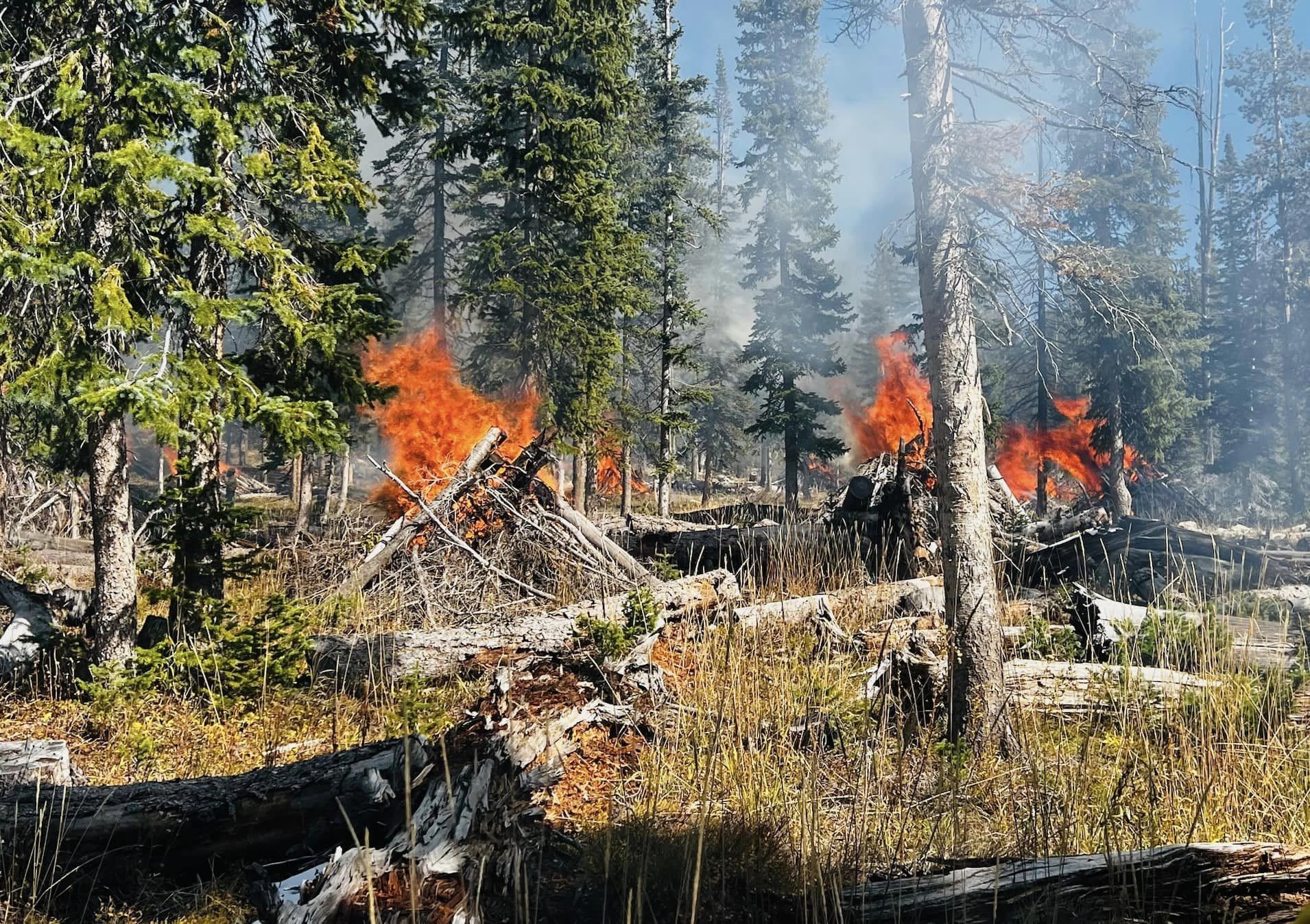
The smoke comes as several wildfires burn across Utah and the broader West. The Iron Fire in Juab County forced evacuations in Eureka over the weekend, while extreme heat, dry conditions, and wind continued to elevate fire danger across the region.
Summit County issued a drift smoke advisory Monday, saying smoke from fires across Utah and nearby states was moving through the county. The county said there were no active fires burning in Summit County at the time, but smoke impacts were expected to continue depending on wind and fire activity.
KSL urged Utahns to limit smoke exposure, especially if conditions persist beyond a single day. Suggested steps included limiting time outdoors, exercising indoors, changing the home and car air filters, and using a portable air purifier where possible.
Public health agencies give similar guidance during smoke events. AirNow, the federal air quality resource, says AQI values from 51 to 100 fall in the moderate range. Air quality at that level is generally acceptable, but people with unusually sensitive health may experience symptoms, especially during prolonged or heavy outdoor exertion.
PM2.5 particles are small enough to travel deep into the lungs and can aggravate asthma, heart disease, and other respiratory or cardiovascular conditions. Children, older adults, pregnant people, and those with lung or heart conditions are considered more vulnerable during wildfire smoke events.
Residents can reduce exposure by keeping windows closed, using recirculated air in vehicles, avoiding strenuous outdoor exercise when smoke is visible, or AQI is elevated, and running a HEPA air purifier indoors if available. People without an air purifier can reduce indoor smoke by closing windows and doors and limiting activities that add indoor particles, such as burning candles or using wood-burning appliances.
Air quality can change quickly during wildfire season as wind direction shifts. Residents can check real-time conditions through IQAir, AirNow, the Utah Department of Environmental Quality, and Summit County alerts before heading outdoors.


2266 E Garfield Avenue
Salt Lake City, UT 84108