Wildlife
Meet the mothers of Summit County wildlife

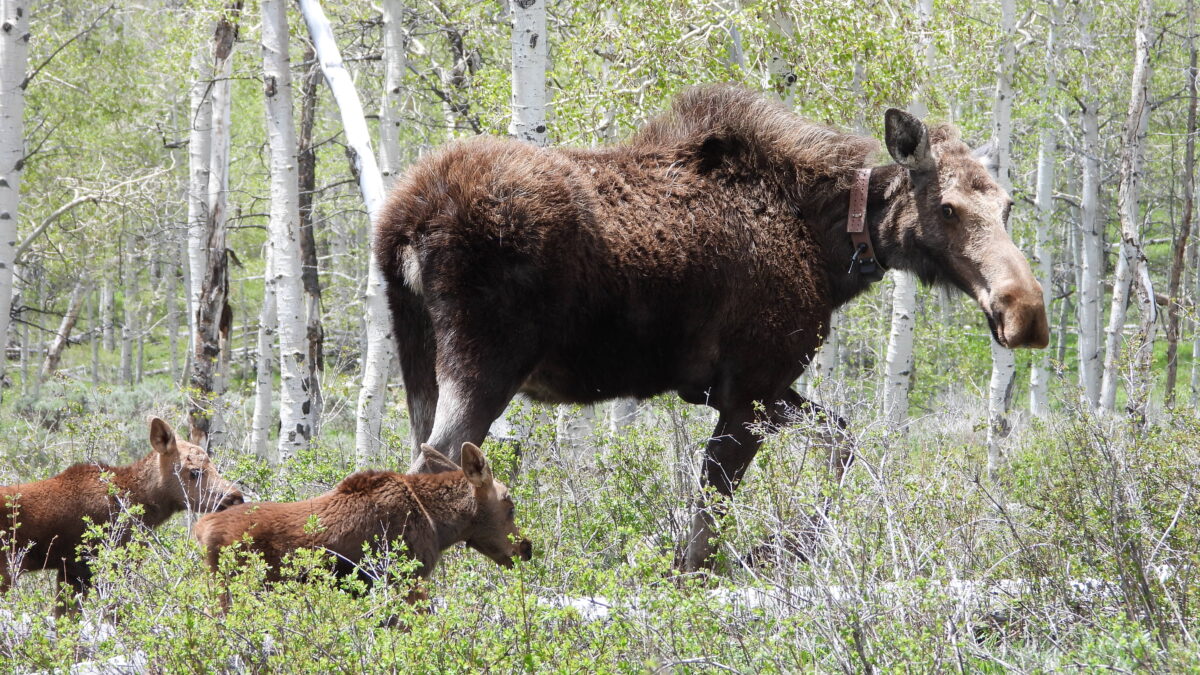
A Wasatch Back moose and her calves. Photo: Department of Wildlife Resources.
PARK CITY, Utah — As Mother’s Day arrives in Summit County, so does another sure sign of spring: baby animals.
Across meadows, wetlands, forests and neighborhoods, tiny fawns are tucked into tall grass, fox kits peek out from dens, and moose calves wobble behind their mothers.
For locals and visitors alike, seeing these mother-baby interactions can be delightful. But it’s important to remember this is one of the most important seasons for giving wildlife extra space.
Here’s a look at some of Summit County’s wild moms and babies making their spring debut.
Moose moms: Protective and powerful
If there’s one local mother you do not want to upset, it’s a mama moose.
Cow moose give birth to calves in late spring, often in willow-filled wetlands and creek corridors throughout Summit County. Newborn calves can stand within days, but they stay close to their mothers for close to a year for sustenance and protection.
Wildlife officials warn that mother moose become especially defensive during calving season and are more likely to charge perceived threats, especially dogs and humans who get too close.
Moose calves are often spotted near trails and neighborhoods around Park City, particularly near water sources and open space.
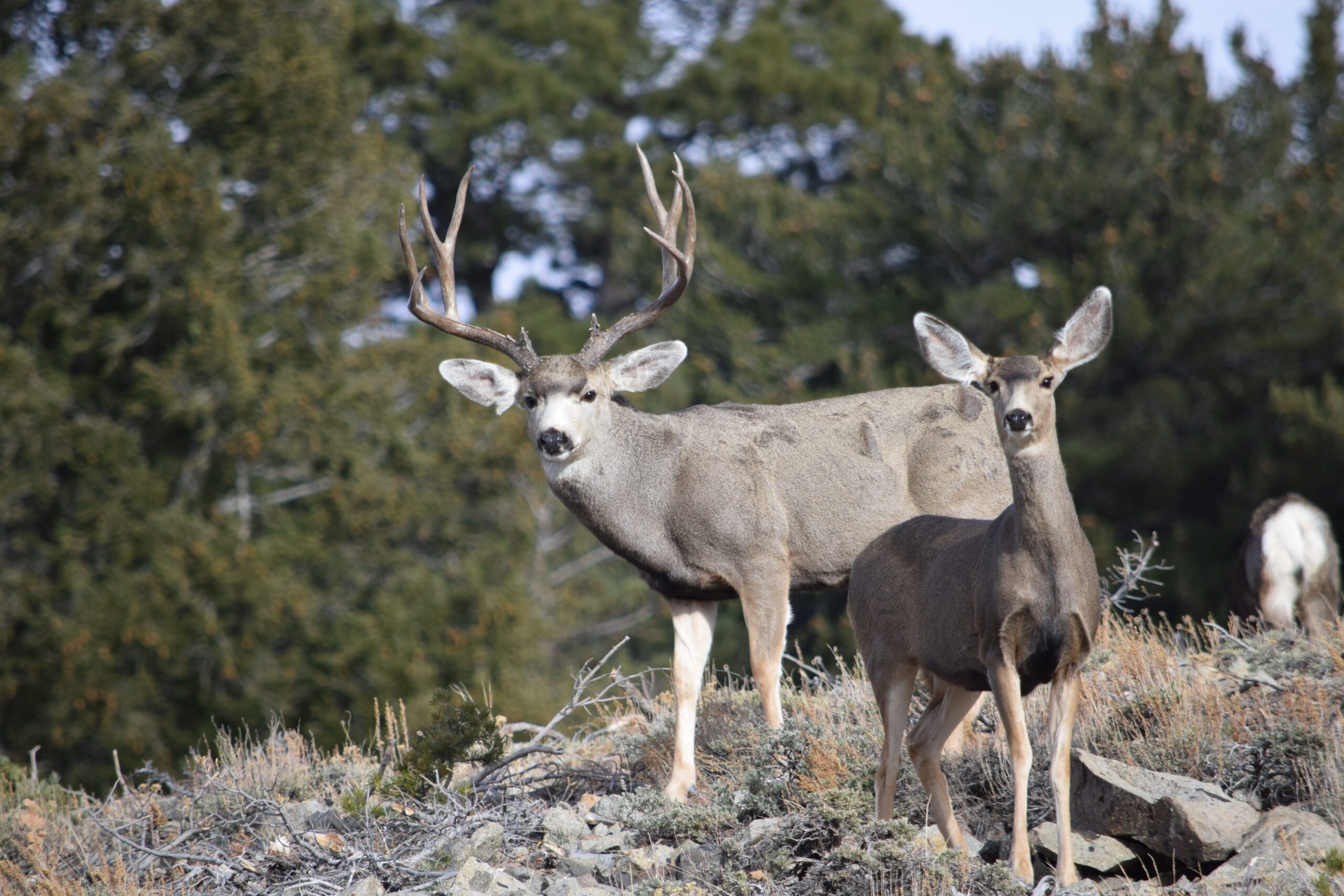
Mule deer moms hide their babies on purpose
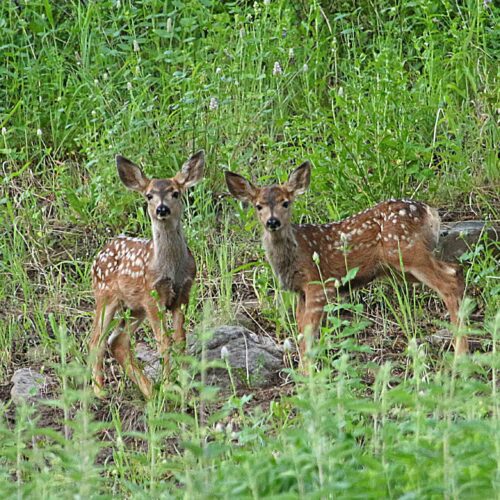
Seeing a fawn curled up alone in the grass may tug at people’s heartstrings, but experts say that’s usually exactly where it’s supposed to be and to leave the fawn alone.
Mother mule deer frequently leave their fawns hidden while they forage nearby. The spotted coats and lack of scent help protect babies from predators during their first weeks of life.
Wildlife officials urge residents not to touch or move fawns, even if they appear abandoned.
In many cases, their mom is watching from a distance and waiting for people to leave before returning.
Sandhill cranes: Tall parents with tiny chicks
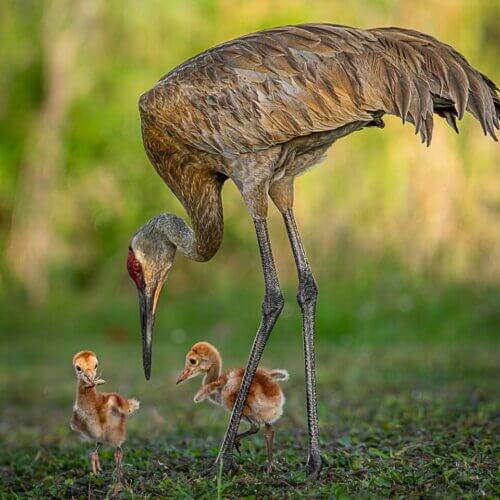
In Summit County wetlands on the Swaner Preserve, sandhill cranes are beginning another nesting season.
The large birds, known for their prehistoric appearance and rattling calls, raise fuzzy golden chicks called colts. Unlike many birds, crane chicks can walk shortly after hatching and often follow their parents through marshes and fields.
Sandhill cranes mate for life and share parenting duties, taking turns guarding nests and protecting chicks.
Baby birds are everywhere this time of year
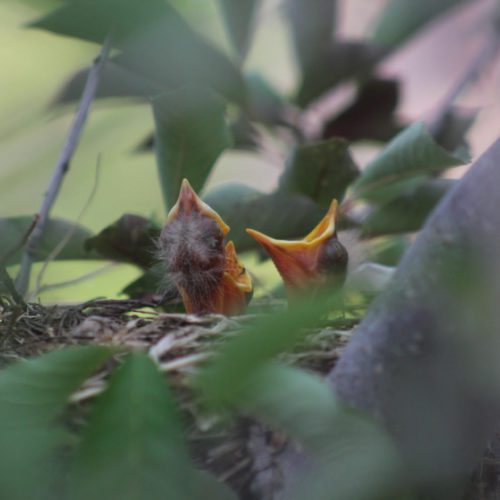
From mountain bluebirds to owls and ducks, spring also brings an explosion of fledglings throughout the Wasatch Back.
A recently installed osprey nest camera in Heber City allows viewers to watch an osprey pair incubate three eggs in hopes of successful hatching and fledging.
Residents may see young birds hopping on the ground or perched awkwardly on branches as they learn to fly. Wildlife experts say fledglings often leave the nest before they are fully capable fliers, while parents continue feeding them nearby.
The best thing humans can do? Keep pets away and leave them alone.
A reminder to give wildlife space
While spring’s baby boom creates plenty of memorable wildlife sightings, experts say it’s also a time for extra caution.
Officials encourage residents to:
- Keep dogs leashed around wildlife
- Never touch baby animals
- Avoid approaching nests or dens
- Watch wildlife from a distance
- Drive carefully, especially at dawn and dusk
In many cases, human interference — even with good intentions — can do more harm than good.
For the wild mothers raising the next generation of wildlife across Park City’s mountains and valleys, spring is just getting started.
Have you spotted baby wildlife in Summit County this spring? Send your photos to tips@townlift.com
By: Heather Bergeson


29 Marilyn Court
Park City, UT 84060
1263 E Wild Maple Court
Draper, UT 84020
1548 W Woodsview Lane
St. George, UT 84770
336 W Broadway Unit 201
Salt Lake City, UT 84101Talk of the Town


Park City Jobs

Concierge, Washington School House Hotel
1 day ago Full time $22.00 - $23.00 hourly

Park City Boutique Manager, CHAMMOMILE
1 day ago Part time $35,000 - $45,000 yearly

Soldier Hollow Snowmaking, Grooming and Trail Lead, Utah Olympic Park
2 days ago Seasonal $21.00 - $28.00 hourly
Mountain Operations Crew (Snowmaker), Utah Olympic Park
2 days ago Seasonal $22.00 - $25.00 hourly
Maintenance Tech I, Utah Olympic Park
2 days ago Full time $20.00 - $24.00 hourly