Drought, dwindling food sources making Utah’s bears bolder, wildlife officials warn

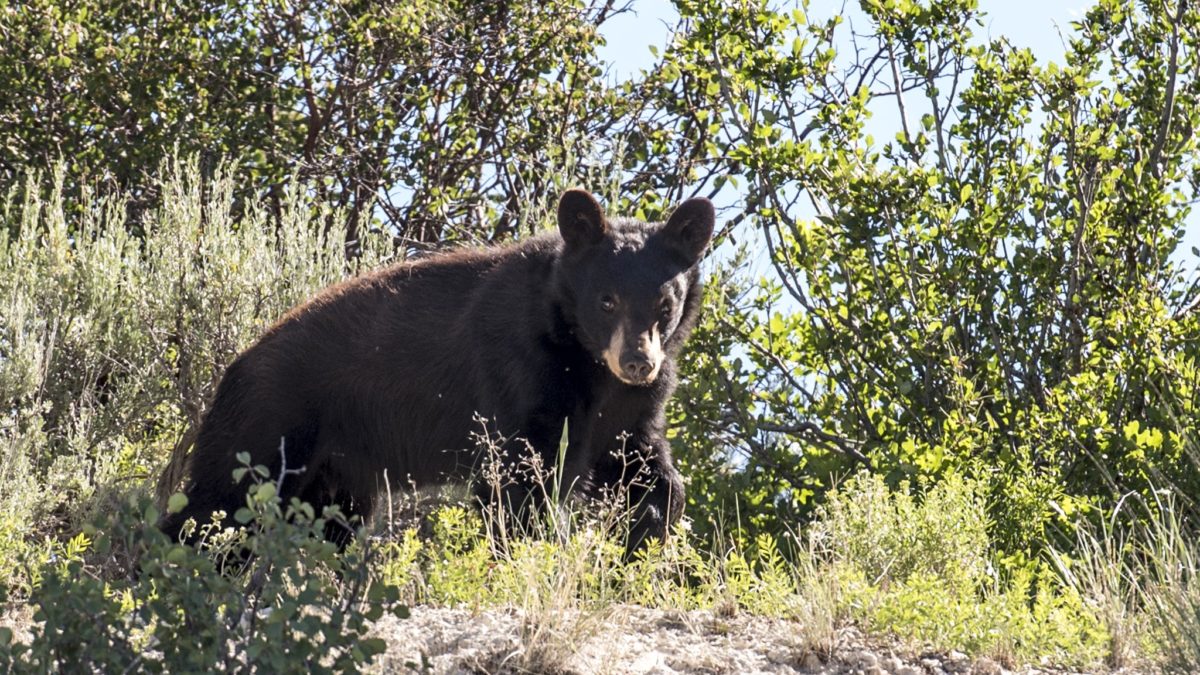
UTAH — If it seems like Utah’s bears are getting a little too comfortable around campsites and neighborhoods this summer, wildlife officials say there’s a reason.
As ongoing drought conditions reduce the availability of natural food sources, bears are becoming increasingly bold, curious and hungry — leading to more encounters with people and a greater risk of conflicts.
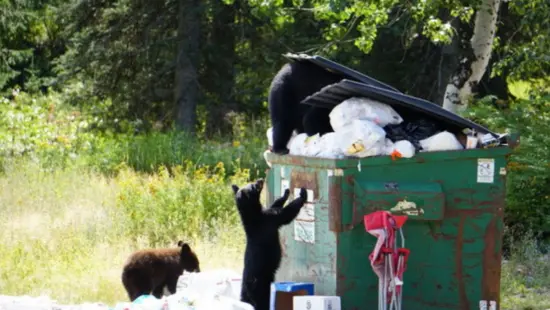
Wildlife officials say unsecured food, garbage, and other attractants are making matters worse by teaching bears that campsites and residential areas are reliable places to find an easy meal.
“Help us keep bears wild and alive,” officials urged in a recent reminder to the public.
For residents and visitors in the Wasatch Back, that means taking extra precautions whether spending time in the backcountry or at home.
When camping, officials recommend putting food away immediately after meals, wiping down picnic tables, burning residue from camp stoves and grills, and disposing of trash in bear-resistant containers whenever possible. Food and scented items should never be left unattended.
At home, residents can reduce the likelihood of bear visits by securing garbage, bringing in pet food and water bowls, removing bird feeders when bears are active, and protecting fruit trees, gardens, compost piles, and beehives.
Officials also recommend keeping pets indoors at night whenever possible.
Black bears are common throughout northern Utah, including the mountains surrounding Park City, and are especially active during late summer and early fall as they enter hyperphagia, a period when they consume large amounts of food to build fat reserves before winter hibernation.
Wildlife managers say bears that repeatedly obtain human food often lose their natural wariness of people. Those animals are more likely to damage property, return to neighborhoods and, in some cases, be euthanized if they become a public safety risk.
With natural forage already stressed by drought, officials say preventing bears from accessing human food is one of the most effective ways to protect both people and wildlife.


2266 E Garfield Avenue
Salt Lake City, UT 84108