Growth
Final decision looms as UDOT reviews 700+ comments on Heber Valley bypass

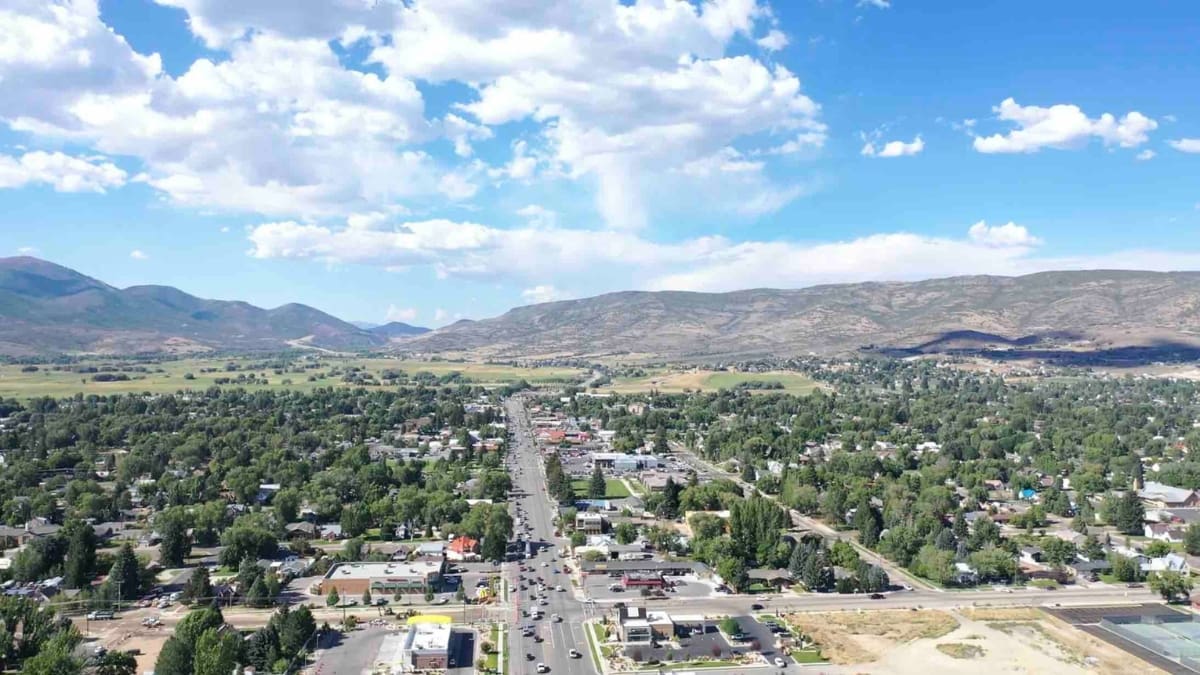
Photo: UDOT
HEBER VALLEY, Utah — Residents in Heber Valley and surrounding communities submitted more than 700 comments on the Draft Environmental Impact Statement (EIS) for the proposed Heber Valley Corridor bypass project.
The project garnered significant attention after the Draft EIS showed UDOT’s preferred Alternative B cutting through the Heber Valley North Fields. Residents and leaders have held protests and attended discussions on the merits and drawbacks of the proposal.
The official 60-day comment period ran from Jan. 9 through March 9.
In response to strong public interest, the Utah Department of Transportation has published all comments received during the Draft EIS period on the project’s study website, calling the move “part of [its] commitment to maintaining an open and public process.”
UDOT staff say they are now conducting a comprehensive review of the submissions.
“Public input from all comment periods informs the overall decision-making process,” the agency said in a statement, emphasizing that comments will not be counted as a “yes” or “no” vote.
According to UDOT, the NEPA public comment process is intended to gather concerns, suggestions, and criticism related to a project’s purpose and need, proposed alternatives, and potential impacts. The feedback also helps determine whether additional engineering or environmental analysis is necessary, as well as what mitigation measures may be required.
As the process moves toward a Final EIS and Record of Decision (ROD), which are anticipated to be published jointly later this year, UDOT says it will evaluate both public input and how well each alternative meets the project’s purpose. That review will also consider environmental factors, including impacts to water quality, air quality, noise, visual resources, and nearby properties.
At this stage, the agency says construction of any selected alternative cannot begin until the ROD is issued, required permits and authorizations are secured, and funding is identified, making the project timeline uncertain.
After an ROD is issued, the project would enter the state’s prioritization process, where projects are ranked based on local and regional needs. UDOT notes that state transportation funds are currently programmed through 2031, with draft plans extending into 2032, placing the project at least six years out.
Officials also say there is no dedicated funding tied to the Olympics and it remains unclear whether the Games would accelerate the project beyond the standard process.
By: Heather Bergeson


597 Deer Valley Loop Road
Park City, UT 84060
2475 W White Pine Lane
Park City, UT 84060
2400 E Walker Lane
Holladay, UT 84117
2154 S Rio Verde
Moab, UT 84532
137 W Bridlewood Lane
Midway, UT 84049Talk of the Town


Park City Jobs

Architect/Architectural Designer, Vera Iconica Architecture
Today Full time $60,000 - $95,000 yearly

Assistant Pit Master, Lush's BBQ
Today Part time $20.00 - $25.00 hourly

Chef de Cuisine, Washington School House Hotel
2 days ago Full time $50,000 - $60,000 yearly
Housekeeper, Washington School House Hotel
2 days ago Full time $20.00 - $22.00 hourly
Line Cook, Washington School House Hotel
2 days ago Full time $20.00 - $22.00 hourly