Park City residents launch petition seeking open space at Bonanza Park 5-Acre Site

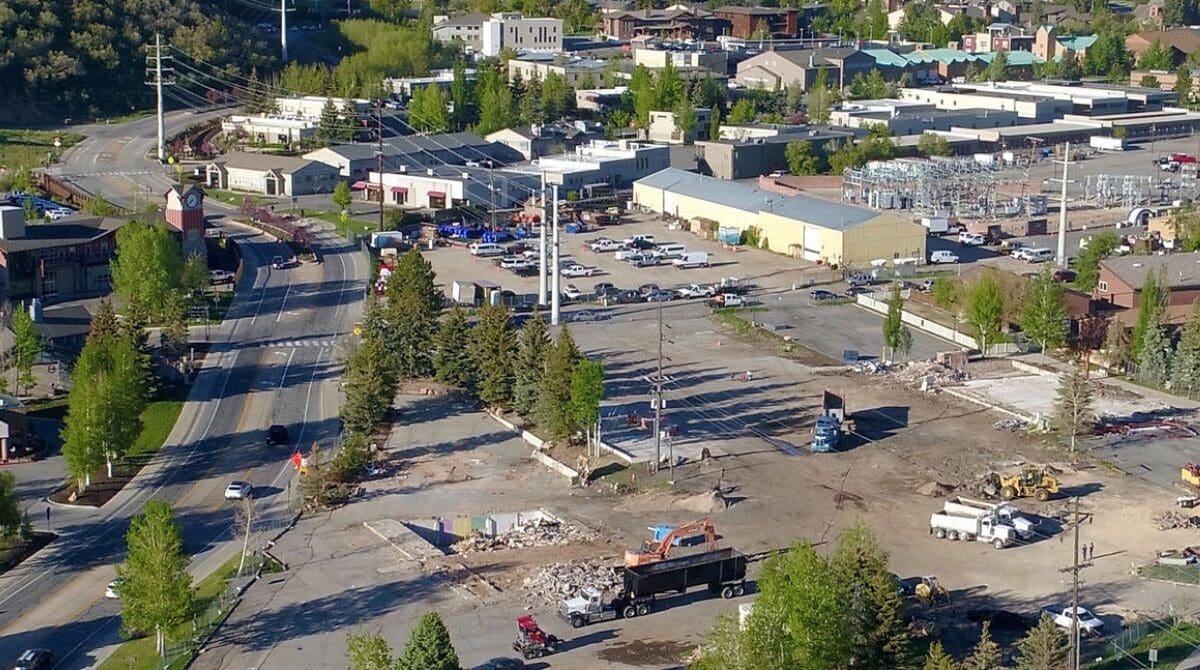
PARK CITY, Utah — As Park City’s long-debated Bonanza Park 5-Acre Site redevelopment enters formal Planning Commission review, a recently formed citizens group is asking city leaders to hit pause on the project and reconsider the site’s future.
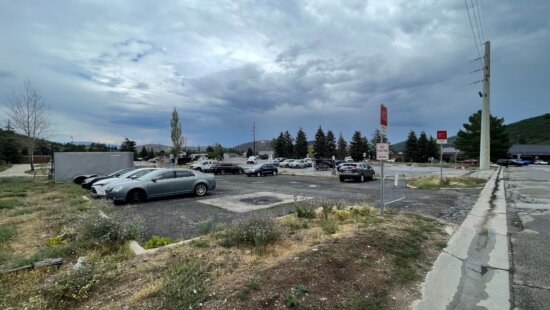
PLACE Park City, which launched in recent weeks, has begun collecting signatures on a petition calling for the city-owned property at Bonanza Drive and Kearns Boulevard to remain largely open space rather than move forward with the city’s proposed mixed-use development.
The petition comes after the Park City Council voted in March to select a proposal from Brinshore Development that would bring 106 residential units — including 88 affordable units — along with commercial and arts space, public gathering areas, and underground parking to the site.
Plans for the site have continually evolved, with an initial proposal for an “Arts and Culture District,” with Sundance Film and Kimball Arts Center as core tenants. When both organizations relocated, city leaders went back to the drawing board. “It was almost 10 years of planning, design, redesign, more meetings, more design, integrating public input,” said Councilmember Molly Miller.
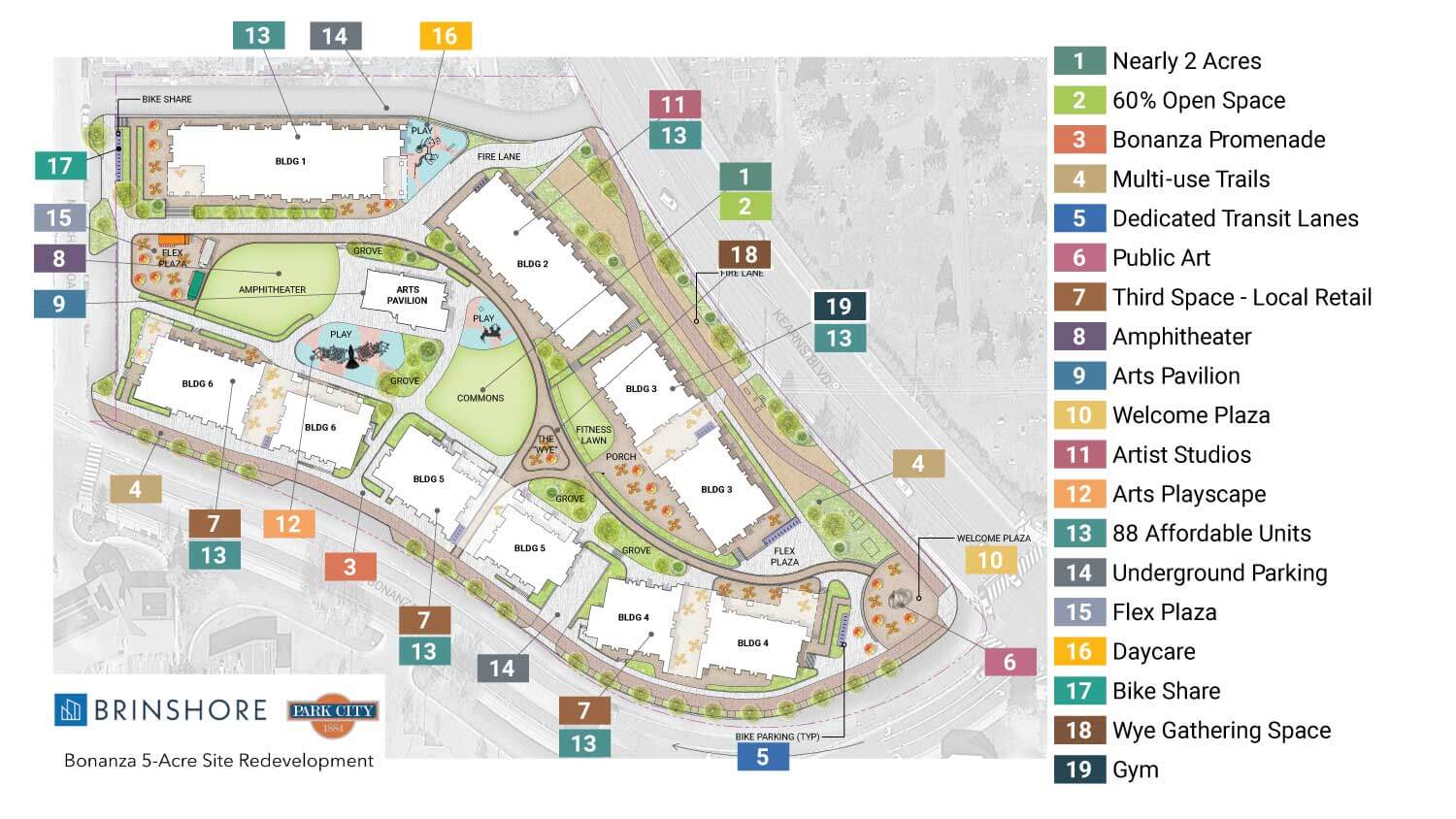
The proposed mixed-use development is now before the Planning Commission for review and public comment will be heard at their meeting Wednesday, July 8, at 5:30 p.m. in Council Chambers at City Hall.
For many residents, that timing raises an obvious question: Can a petition still change the project?
The vision behind the petition
PLACE Park City says its goal extends beyond collecting signatures.
“The petition exists to show the Mayor, City Council, and Planning Commission that support for a different vision at the Five Acres is broad, not fringe,” said Helen Wallace, spokesperson for the group, in a written response to TownLift.
Organizers say they’ve gathered about 250 signatures in less than a week and hope to surpass 500. Rather than using an online petition, volunteers have been canvassing neighborhoods and collecting signatures in person.
PLACE argues that many residents they’ve spoken to are only now becoming aware of the scope of the proposal.
“One of the most telling things we’ve learned while gathering support is how many Parkites are genuinely surprised, even shocked, when they hear the actual density of the proposed plans,” Wallace said.
While the Planning Commission is currently reviewing the project, PLACE says its petition is ultimately directed at elected officials.
“We will be asking the Council to reevaluate their decision and halt any movement intended to pursue the current plan via a development agreement,” Wallace said.
PLACE also disputes the city’s argument that residents have had years to weigh in.
“It’s true this has been discussed for years,” Wallace said. “But the premise for the site has changed substantially since those early conversations.”
The group argues the current proposal differs significantly from the arts and culture concept originally envisioned when the city purchased the property roughly a decade ago.
If preserving all five acres as parkland proves politically impossible, PLACE says it would support a revised plan that incorporates performing arts or municipal facilities while preserving a substantial contiguous green space.
What can still change?
The timing of public engagement has become one a central issue.
Although PLACE hopes to persuade city leaders to reconsider the project, the redevelopment has already cleared a significant policy milestone.
In March, the City Council selected Brinshore Development’s proposal and directed staff to move forward with formal land use applications. Those applications are now being reviewed by the Planning Commission, which is considering issues including traffic, housing mitigation, building heights, and compliance with city development standards.
PLACE organizers note that the city’s dedicated project website, 5acresite.com, was launched only after the City Council voted in March to move forward with the Brinshore proposal.
“Given that timeline, it’s not surprising that many Parkites are only now learning the critical details,” Wallace said. “We’d simply ask that residents be given a genuine, current opportunity to weigh in on the plan as it exists today, not the one first discussed years ago.”
The city has previously pointed to years of public meetings, presentations, and community input that helped shape the project.
Councilmember Molly Miller acknowledged that determining how much flexibility remains at this point in the process is complicated, but said the city has spent nearly a decade evaluating options for the property.
“There’s a certain point where if we continue to stall, it becomes harmful,” Miller said, adding that no project will satisfy every resident, but she believes the current proposal represents a balance of competing community needs and responsible development.
City’s response
Miller said she understands residents’ desire to preserve open space but believes the project represents one of the city’s best opportunities to address housing affordability while creating new arts and community space.
“I appreciate so much how passionate people are about where we live,” Miller told TownLift. “Open space is one of the major things that makes Park City so special.”
But Miller said the city must also consider workforce housing and long-term community needs.
“When we lose too much of our workforce because they can’t live in town, all services suffer,” she said.
Miller said she initially favored creating temporary park space on the property if no suitable redevelopment plan emerged, but changed her mind after reviewing the current proposal.
She pointed to the project’s affordable housing, arts facilities, and public gathering spaces, as well as its location within the city’s core.
“This is the definition of infill,” she said, arguing that housing built near jobs and transit can reduce traffic while making use of existing infrastructure.
She added that surveys conducted over several years have consistently identified affordable housing and traffic mitigation as among Park City residents’ highest priorities.
A broader debate
The disagreement reflects two competing visions for one of the city’s last large undeveloped parcels.
PLACE argues the property should remain a defining open-space gateway into downtown, while city leaders say it represents a rare opportunity to provide housing, arts facilities, and community gathering space on land already served by roads, transit, and utilities.
The debate is expected to continue this week as the Planning Commission reviews the project’s subdivision, master planned development, and conditional use permit applications before the matter eventually returns to the City Council.


4251 E Lipizzan Jump
Moab, UT 84532