Environment
Dry June deepens Utah’s water woes as reservoirs continue to fall

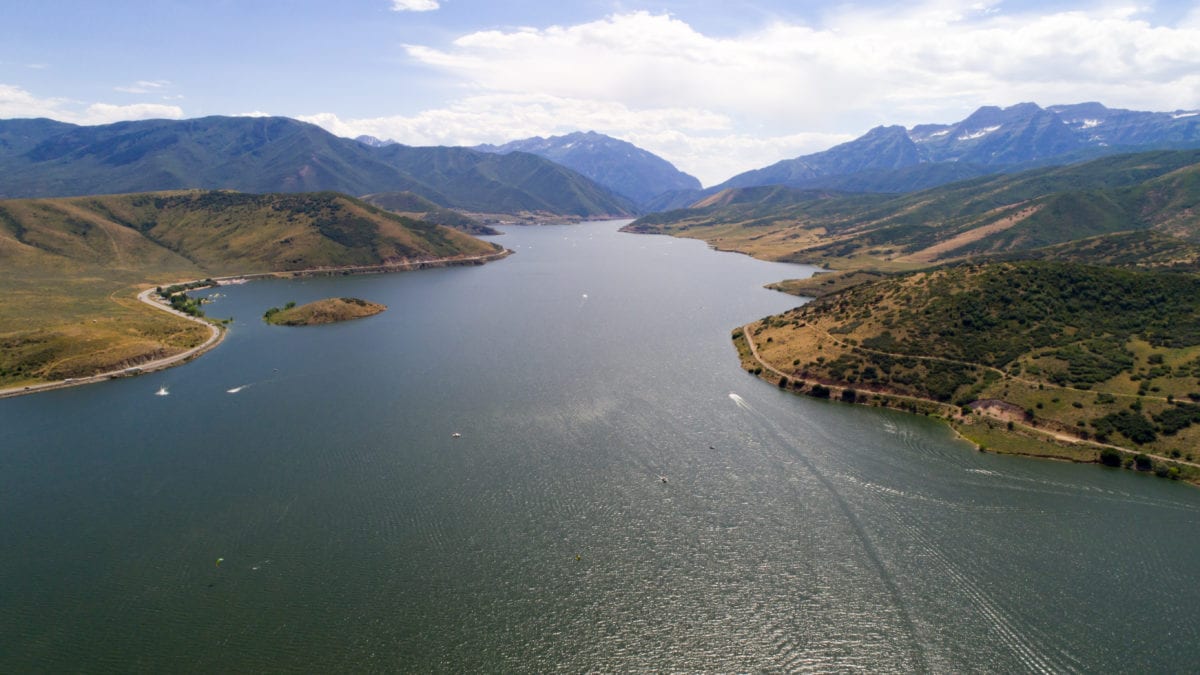
Water levels at Utah reservoirs are falling as spring precipitation lags below average. Photo: Deer Creek State Park.
UTAH — After a winter marked by record-low snowpack, Utah saw little relief in June, with valley precipitation reaching just 51% of normal and mountain precipitation only 40% of average, according to the latest monthly Water Supply Outlook from the Natural Resources Conservation Service.
The dry month compounded an already challenging water year, with state hydrologists warning that precipitation deficits—not just the lack of winter snow—are now driving concerns about water availability and wildfire risk.
“Our record-poor snowpack story has been well-documented in our previous reports, but now our precipitation deficits need to be addressed,” the report states.
Valley soil moisture averaged just 35% saturation statewide as of July 1, with the Uinta Basin recording its driest valley soil moisture conditions on record. Mountain soils are also exceptionally dry following early snowmelt and below-average precipitation, with some areas setting record-low moisture levels.
The increasingly dry landscape is affecting both water supplies and wildfire conditions.
Statewide reservoir storage has dropped to 60% of capacity, down 18 percentage points from this time last year. According to the report, all but three of Utah’s 19 major basins rank in the bottom 20th percentile for water availability, with several watersheds at or below the fifth percentile.
Closer to home, reservoirs across northern Utah have also seen notable declines. Echo Reservoir is 50% full, compared with 88% on the same date last year. Rockport Reservoir is at 75%, down from 92%, while Deer Creek Reservoir stands at 75%, compared with 89% a year ago.
The report also points to growing wildfire concerns as dry conditions persist. One of the state’s mountain monitoring sites, Merchant Valley, was destroyed in the Cottonwood Fire near Beaver, while several other monitoring stations remain threatened.
“We remain hopeful that our summer monsoon will kick in and diminish the fire risk,” the report states.
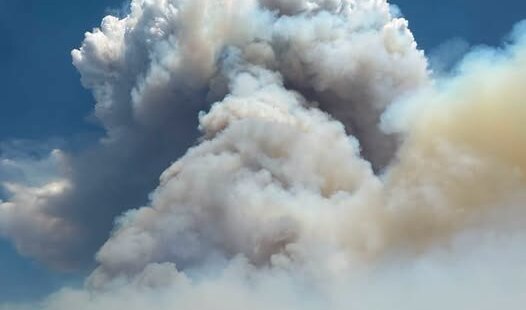
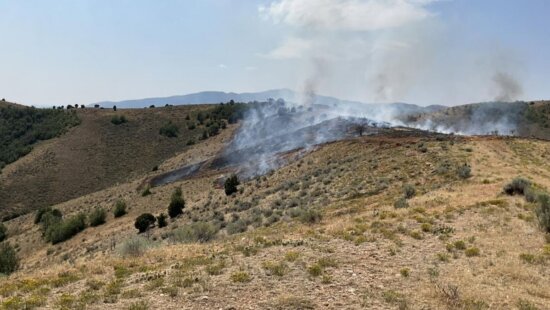
The water outlook comes as Utah is already experiencing an active wildfire season. Dry vegetation, lingering drought conditions, and periods of hot, windy weather have fueled several large fires across the state, including the Cottonwood and Babylon fires, each of which has burned around 100,000 acres.
With the state’s snowpack depleted months earlier than normal and spring precipitation failing to make up the difference, water managers say Utah is entering the heart of summer with strained water supplies, exceptionally dry soils and elevated wildfire risk.
By: Heather Bergeson


29 Marilyn Court
Park City, UT 84060
336 W Broadway Unit 201
Salt Lake City, UT 84101
1548 W Woodsview Lane
St. George, UT 84770
1263 E Wild Maple Court
Draper, UT 84020Talk of the Town


Park City Jobs

Concierge, Washington School House Hotel
1 day ago Full time $22.00 - $23.00 hourly

Park City Boutique Manager, CHAMMOMILE
1 day ago Part time $35,000 - $45,000 yearly

Soldier Hollow Snowmaking, Grooming and Trail Lead, Utah Olympic Park
1 day ago Seasonal $21.00 - $28.00 hourly
Mountain Operations Crew (Snowmaker), Utah Olympic Park
1 day ago Seasonal $22.00 - $25.00 hourly
Maintenance Tech I, Utah Olympic Park
1 day ago Full time $20.00 - $24.00 hourly