Town & County
Snyderville Basin planners wrestle with how to steer growth amid decades of development deals

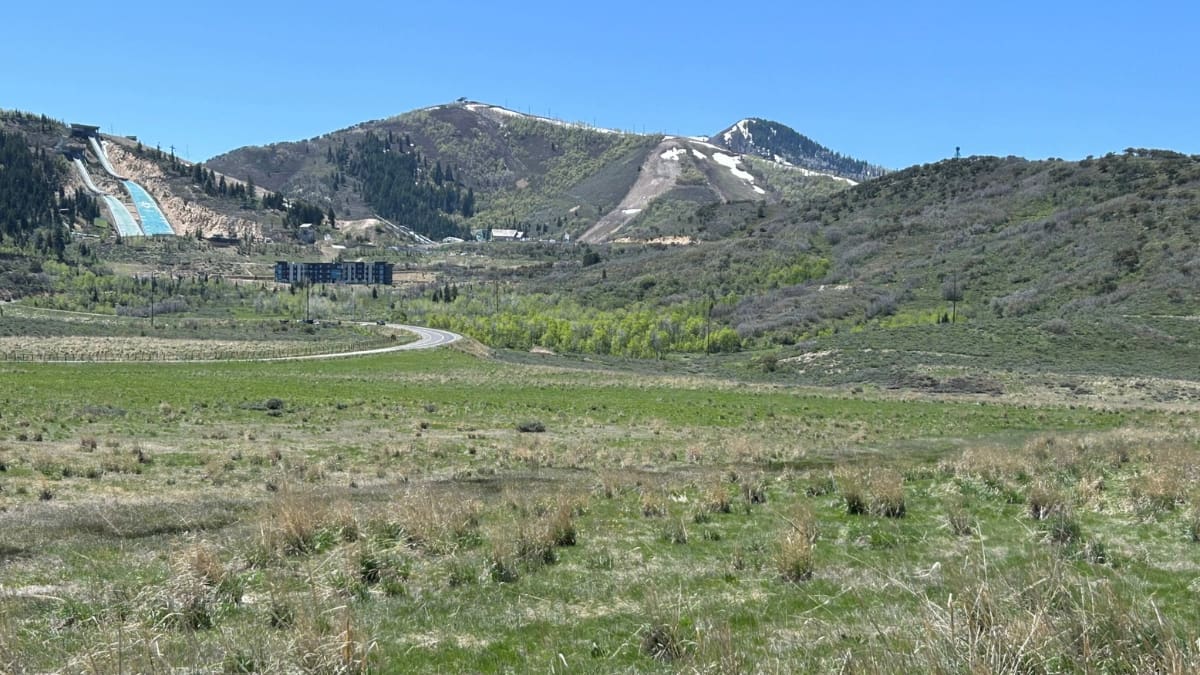
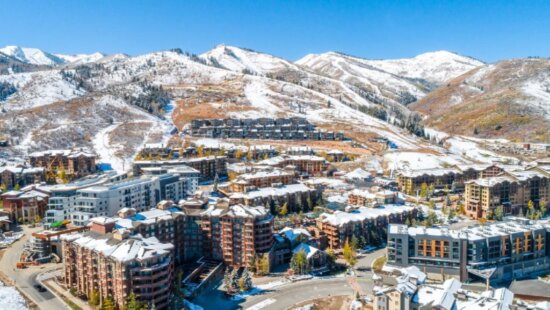
Photo: Snyderville Basin
SUMMIT COUNTY, Utah — Summit County is rewriting the blueprint that will guide development in Snyderville Basin for the next decade, and planning commissioners made clear Tuesday they want a plan that goes beyond describing what’s already been approved.
The central tension: How does the county steer growth when decades of development agreements have already locked in much of the basin’s future?
Commissioners spent much of their Feb. 10 work session wrestling with Policy 2.3, language in the draft land use chapter that aims to delay new development approvals until previously entitled projects are built. Senior Planner Ray Milliner called it a “political hot potato” and asked commissioners whether to keep it, modify it, or strike it entirely.
Commissioners disagreed on tactics but shared a common concern: The county needs a clearer, more proactive framework for where additional housing should go — rather than relying on negative language that developers can work around.
Some commissioners favored rewriting the policy in affirmative terms that steer growth toward specific places and outcomes. Others wanted to retain language that preserves the county’s ability to deny proposals when warranted.
The debate reflects broader frustration with how the draft general plan presents the county’s authority. Commissioners said they could not easily reconcile zoning maps with maps showing consent, development, and settlement agreements — or understand what the county can still influence versus what is already entitled.
Staff acknowledged the basin’s patchwork of agreements creates a system that is difficult to interpret and said additional mapping could help.
Water, traffic and air quality missing from core goals
Commissioners also said the draft fails to foreground the issues residents feel most acutely: water, traffic, and air quality.
Commissioners asked staff to define “climate resiliency,” saying the term is too vague for the public. Milliner responded that staff intended it to encompass air quality, water quality, and related environmental concerns, and said the draft could be revised to explicitly spell those out.
County Council member Megan McKenna specifically raised air quality, noting that the current general plan includes a standalone air quality policy. Staff said air quality will be addressed in a later environmental chapter. McKenna suggested strengthening land-use strategies to reduce emissions, including electric vehicle infrastructure and planning that reduces driving between housing and commercial centers.
Commissioners pressed for transportation and water to appear not only in later chapters but also in the plan’s core goals.
State pressure adds urgency
The rewrite comes as the Utah Legislature considers bills HB184 and HB209 that could override local land-use authority, including measures aimed at easing the construction of smaller-lot “starter homes.”
Milliner said staff were tracking multiple measures and county representatives — including Janna Young, Summit County’s deputy manager — are at the Legislature monitoring the bills.
Commissioners said clearer goals and a clearer “where we want growth” map would strengthen the county’s position if the state attempts to override local decision-making.
Milliner said staff would bring back alternative language for Policy 2.3 and continue moving through additional chapters in the coming weeks.
By: Rebecca Brenner


4539 S Willow Road
Holladay, UT 84117
965 Goshen Canyon Road
Mona, UT 84645
10584 Basin Canyon Road
Park City, UT 84098
19 East 100 North
Spring City, UT 84662
24 South 600 East
Salt Lake City, UT 84102Talk of the Town


Park City Jobs

Assistant Manager, LOMA
3 days ago Full time $35.00 hourly

Property Inspector, Park City Rental Properties
4 days ago Full time $23.00 - $25.00 hourly
Owner Relations Manager, Park City Rental Properties
4 days ago Full time
Operations Manager, Park City Rental Properties
4 days ago Full time

Hiring Barista Assistants and Baristas, Silver King Coffee
6 days ago Part time $17.00 - $30.00 hourly