Summit County begins wetland restoration work at Ure Ranch

Initial 3.5-acre project will restore water flow and native vegetation within larger Kamas Valley conservation area
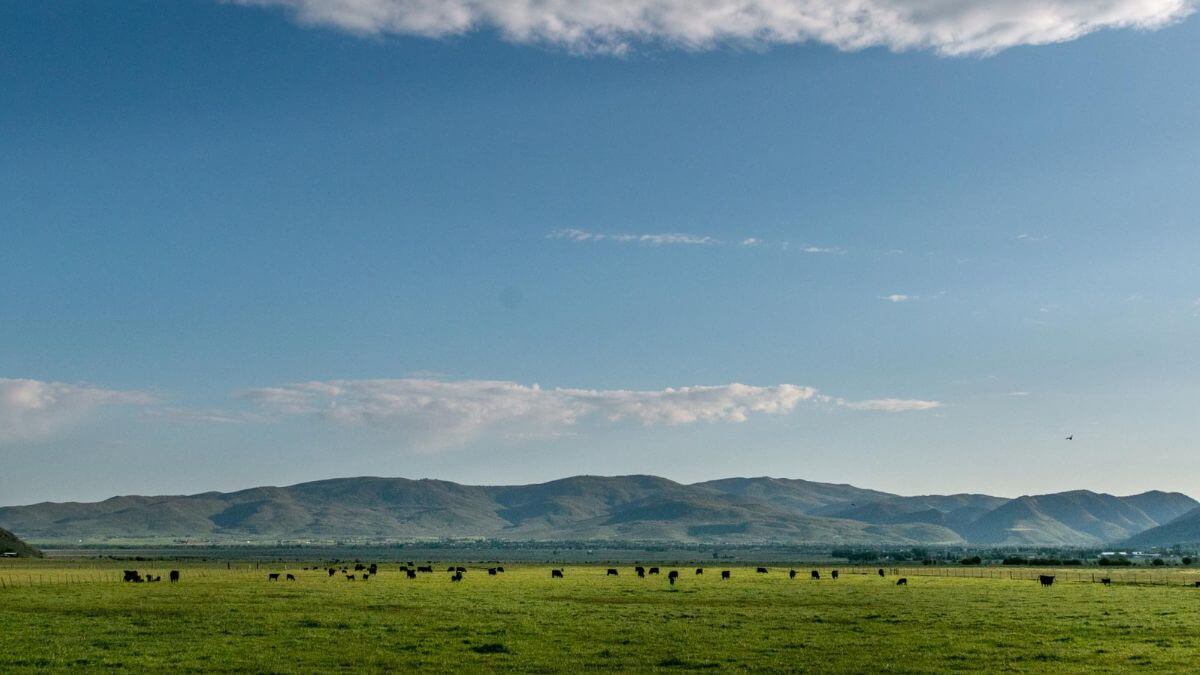
KAMAS, Utah — Summit County has begun a wetland restoration project on a portion of Ure Ranch in the Kamas Valley entry corridor, with earth-moving equipment and weed-treatment crews starting work there.
The first phase covers about 3.5 acres near State Route 248 and 200 South and is part of a larger 23.2-acre area designated for restoration, Summit County said. In this work, crews will remove invasive grasses, restore natural hydrology and reseed disturbed ground with native wetland vegetation.
Although the area can look like ordinary pasture, county officials said the water table sits close to the surface, and much of the soil remains saturated year-round.
The goal is to help the wetland retain more water, restore its peat soils and create more diverse habitat for native plants and wildlife. To support that work, Summit County is working with BIO-WEST Inc. and WestWater Research on water delivery and annual monitoring.
The restoration is part of a broader conservation effort at Ure Ranch, an approximately 835-acre property Summit County purchased in December 2025 after more than two years of planning. The ranch has been divided into areas intended for continued agriculture, recreation, conservation and wetland restoration. Within that plan, county acquisition documents specifically identify the wetland portion of the ranch, known in planning materials as “The Swamp,” for restoration as a functioning wetland ecosystem.
As TownLift previously reported, the ranch’s meadows have long been irrigated through historic flood-irrigation systems that support agricultural soils while also contributing to wetland habitat, aquifer recharge and water quality. The property also provides habitat for elk, mule deer, and migratory waterbirds, including sandhill cranes.
Summit County first agreed to acquire the Ure Ranch from the Ure family in March 2023. Since then, public planning has focused on preserving the Kamas Valley’s agricultural character while protecting water resources, wildlife habitat and open space, and creating limited recreational opportunities.


621 E Canyon Gate
Park City, UT 84098
2266 E Garfield Avenue
Salt Lake City, UT 84108