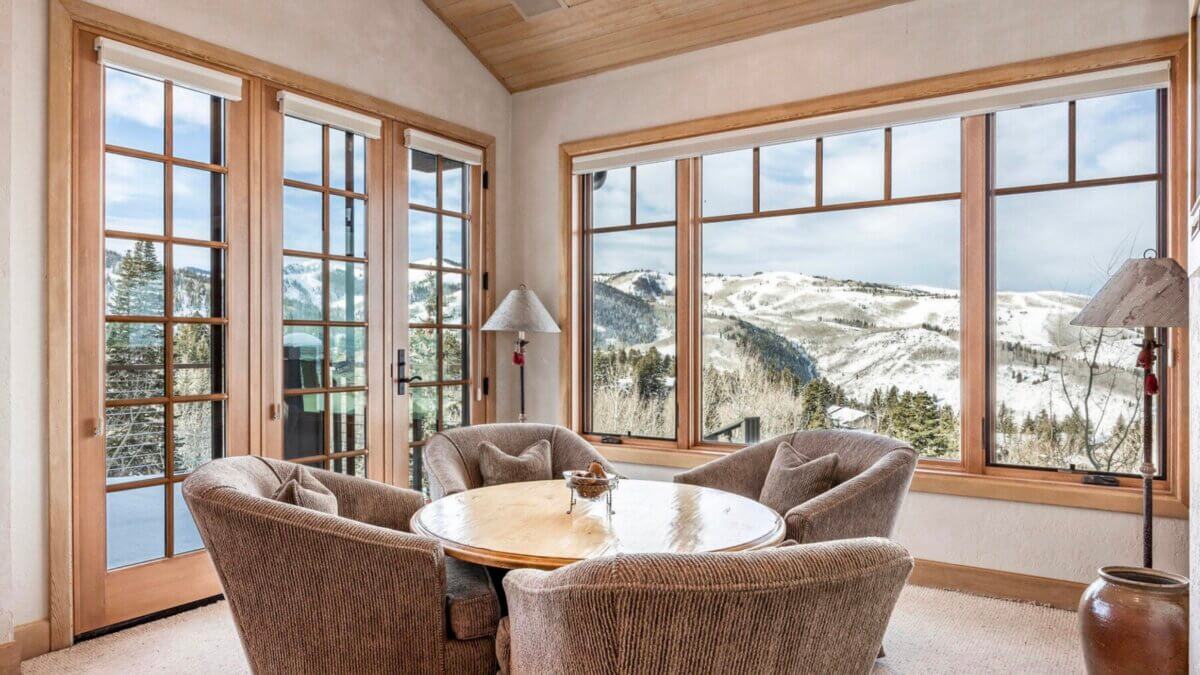
You put your home on the market. The photography looks great, the listing goes live and the first few showings happen, but then the activity slows and no offers arrive. For sellers, this can be one of the most frustrating parts of the process, especially when other homes nearby appear to be selling. It is easy to assume that buyers have disappeared or that the market has suddenly changed, but often the explanation is more specific to the property itself.
As we discussed in Part 2 of this Seller Guidance series, buyers in Park City and across the Wasatch Back have more choices and are making decisions more carefully. A home can be attractive, well located and perfectly livable and still struggle if buyers believe another property offers a better combination of price, condition, location and lifestyle. When a listing does not sell, the market is usually telling us something, and the important part is figuring out what.

Getting the Price Right From the Beginning Matters
The pricing strategy I hear most often from sellers is, “Let’s start a little higher so we have room to negotiate.” On the surface, that sounds logical. In practice, building a buffer into the asking price can create more risk than protection, especially if it keeps the home from attracting the buyers who would otherwise be interested.
Today’s buyers have access to more information and more competing inventory. They can see what has sold, what is currently available, how long a property has been on the market and whether the price has already been reduced. If a home comes to market noticeably above where buyers believe the value should be, they may not view that extra amount as negotiating room. They may simply decide the property is overpriced and move on.
Many sellers also assume that buyers will always make an offer if they like a home but think it is overpriced. Some will, but others may be reluctant to write an offer substantially below asking because they assume the seller is unrealistic or that the two sides are too far apart. Leaving a large buffer can unintentionally discourage the very conversation it was meant to create. By the time the price is reduced, some of those buyers may have purchased something else.
On the other hand, pricing a home where buyers immediately recognize the value can create more activity, more showings and potentially more opportunities for offers. In some cases, a slightly more aggressive price can even create competition among buyers. That does not mean every home should be intentionally underpriced. The goal is to encourage buyers to engage with the property rather than test how much the market might tolerate.
A seller can choose any asking price, but the market determines what a property will actually sell for. A home is worth what a qualified buyer is willing to pay and a seller is willing to accept. Getting the price right from the beginning means positioning the home so the right buyers see the value, come through the door and have a reason to make an offer. A big negotiating cushion rarely helps with any of that.

Buyers May Be Seeing Work Where Sellers See Potential
Sellers view their homes through the experience of having lived in and enjoyed them, while buyers walk in thinking about what they might need to change. An older kitchen may feel perfectly functional to the seller, but a buyer may immediately begin calculating the cost of replacing it. Deferred exterior maintenance, aging mechanical systems, older windows, worn flooring and dated bathrooms can quickly become a mental renovation budget.
This does not mean every seller should remodel before listing, especially when the investment would not make financial sense. It does mean the condition of the property needs to be reflected in how it is presented and priced. As newer construction has expanded around Jordanelle and other parts of the Wasatch Back, buyers may be weighing an existing home against the convenience of purchasing something new. A home does not have to be new to compete, but it does have to give buyers a reason to choose it over the alternatives.
Sometimes the Problem Is the First Impression
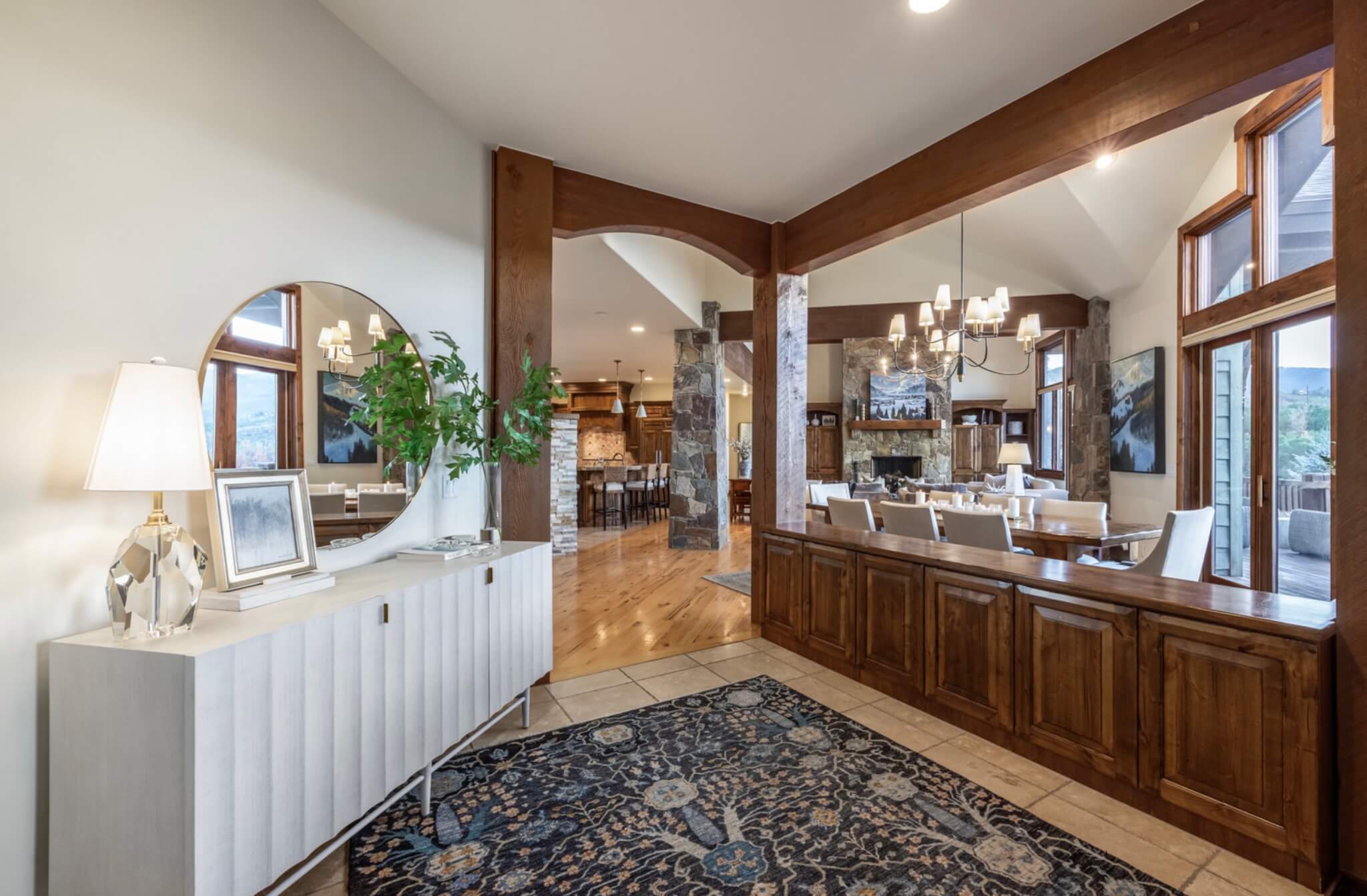
Most buyers begin online, often comparing several properties in one sitting, so a listing can lose their attention before they ever step through the front door. Photography, staging, listing descriptions and the order in which a home’s features are presented can determine whether someone schedules a showing or keeps scrolling. Good marketing should make it easy to understand what is special about a home without making it look like something it is not.
In Park City, that might be ski access, privacy, acreage, views, proximity to trails, outdoor living, walkability to Main Street, club amenities or enough room for family and guests. In Kamas or Heber, the story may be space, newer construction, land or the opportunity to enjoy a mountain lifestyle outside the center of Park City. Whatever the property’s strengths, those qualities need to come through clearly so buyers understand why it belongs on their list of homes to see.
Access Matters More Than Sellers Sometimes Realize
Even a well-priced, well-presented home can miss opportunities if buyers cannot get inside. Buyers may be in Park City for only a few days, particularly in the second-home and luxury markets, and their agent may have scheduled several properties in a single afternoon. If one home requires significant advance notice, has limited showing windows or is repeatedly unavailable, the buyer may simply move on.
Some properties are harder to show for legitimate reasons, such as when they are occupied or being used as vacation rentals. But every additional obstacle reduces the opportunities for buyers to experience the home. Selling requires balancing the seller’s daily life with the reality that buyers need reasonable access, and the easier we can make that process, the better chance the property has to compete.
The First Few Weeks Matter
A new listing attracts attention from buyers who have been waiting for something in a particular neighborhood or price range, as well as agents watching for options for their clients. That initial interest gives us valuable information about how the property is being received. If there is strong online activity but few showings, we need to understand why buyers are not taking the next step. If there are plenty of showings but no offers, that raises a different set of questions.
When buyers consistently mention the same concern, whether it is price, condition, location or another feature, that feedback becomes increasingly difficult to dismiss. The mistake is assuming that more time will automatically solve the problem. Sometimes patience is appropriate, particularly at Park City’s higher price points where the buyer pool is naturally smaller. But allowing time to find the right buyer is different from ignoring what the market is communicating.
A Listing Can Become Stale
Starting too high or failing to respond to buyer feedback carries another risk. A property can eventually feel old to the market. Buyers can see how long a home has been available and whether the price has changed, and an extended time on the market can lead them to wonder what is wrong, even when there is nothing fundamentally wrong at all. A series of price reductions can also create a different impression than beginning at a price buyers recognize as reasonable.
Once that perception takes hold, it can be harder to generate fresh interest. Instead of evaluating a newly available home, buyers may be reconsidering a property they have already passed over. The initial asking price is more than a starting point for negotiations. It helps shape how the property is introduced to the market and how buyers respond to it over time.
Not Every Slow Listing Is a Bad Listing
A property taking longer to sell does not automatically mean something has gone wrong. Park City and the surrounding Wasatch Back are highly segmented markets, and a $10 million ski property does not have the same buyer pool as a $1.5 million home in Heber. A unique ranch property in Kamas may also take longer to match with the right buyer than a condominium near a resort base.
Single-family homes, condominiums and land do not necessarily move at the same pace, and conditions in Park City, Snyderville Basin, Jordanelle, Heber and Kamas can be very different. Days on market only mean something when viewed in that context. The real question is whether a property is performing as it should relative to similar homes competing for the same buyer, not whether it is selling as quickly as an entirely different type of property.

Know When to Adjust
Knowing when to change course is one of the hardest decisions for any seller, and the answer is not always a price reduction. A home may need better staging, new photography, a repair completed, easier showing access or a different marketing approach. Occasionally, several smaller changes make more sense than one dramatic adjustment. What matters is being willing to look objectively at the information coming back from the market.
A listing strategy should not remain fixed regardless of the response. We establish a plan before going to market, but once buyers begin interacting with the property, we have real information to help us assess whether that plan is working. Buyers will always have different tastes and opinions, so the goal is to recognize patterns rather than react to every individual comment, and to make thoughtful adjustments when the response shows that something is getting in the way of a sale.
The Market Usually Gives Us an Answer
A home that does not sell is not necessarily a home that nobody wants. More often, something about the combination of price, condition, presentation or access is preventing the right buyer from seeing enough value to act. That is why selling successfully requires more than putting a property online and waiting. The strongest strategies begin with a clear understanding of the competition and evolve as real buyer feedback comes in.
For sellers, the question is not simply, “What do I want to get for my home?” It is also, “At what price will buyers see enough value to act?” Answering that requires understanding what is actually happening in the market. Next week, we will dive into the actual numbers and what they mean for buyers and sellers in Park City and across the Wasatch Back.
Julie Snyder is a top-producing Park City real estate agent and a Top 100 Sotheby’s International Realty Global Real Estate Advisor with Summit Sotheby’s International Realty. She is also the founder of Inhabit Park City. Julie closed more than $105 million in sales in 2025 and has surpassed $350 million in career real estate transactions.
Specializing in luxury real estate throughout Park City, Deer Valley, and the greater Wasatch Back, Julie represents buyers and sellers of primary residences, ski homes, second homes, land, and new construction. Her expertise extends across the area’s most sought-after communities, including Empire Pass, The Colony, Promontory, Glenwild, Old Town, Park Meadows, Canyons Village, and Jordanelle.
Known for her analytical market insight, strategic pricing, sophisticated property marketing, and strong negotiation skills, Julie helps clients navigate Park City’s highly segmented real estate market with clarity and confidence. She combines deep local knowledge, the global reach of Sotheby’s International Realty, and strong relationships throughout Summit and Wasatch counties to provide clients with informed guidance and access to listed, pre-market, and off-market opportunities.

BE IN THE KNOW! SIGN UP BELOW FOR LOCAL BUSINESS, MARKET, AND EVENT UPDATES.

Julie Snyder, INHABIT Park City Summit Sotheby's
TEL. 339-222-0935
EMAIL. julie@inhabitparkcity.com