Prince mansion dispute returns to court as neighbors challenge consent agreement

PARK CITY, Utah — A long-running legal dispute over Matthew and Tatiana Prince’s proposed home above Park City’s Old Town returns to Third District Court this week, where their neighbors are asking a judge to allow their challenge to the project to proceed.
Eric and Susan Fredston-Hermann contend the Park City Council’s January approval of a consent agreement with the Princes did not resolve their legal claims over whether the home complies with city land-use and historic-district regulations.
The Fredston-Hermanns’ attorneys are asking the court to review whether the project complies with the city’s Land Management Code, Old Town Historic District Design Guidelines and the covenants governing the Sweeney Master Planned Development. A hearing is scheduled for Sept. 23.

The Princes and the city argue that the consent agreement, approved by the City Council in a 3-1 vote in January, resolved the disputed land-use approvals and cleared a path for the project to proceed. The agreement followed years of administrative appeals and litigation over the proposed home at 220 King Road.
The Fredston-Hermanns, whose property adjoins the Prince lot, argue the agreement cannot resolve their separate legal claims without their consent. They also contend the city cannot use the agreement to change how its land-use and historic regulations apply to the property without following the normal legislative process.
The dispute dates to 2024, when the Park City Planning Commission approved applications allowing the Princes to replace two existing homes with a new residence. The property sits in the Sweeney Master Planning District, a large-lot area overlooking Old Town. The proposed home includes roughly 7,500 square feet of living space and a home office.
The project subsequently faced multiple administrative appeals and lawsuits. One dispute centered on the home’s historic-design approval, including conditions requiring changes to portions of the roof and eastern-facing windows. The Planning Department determined the property’s location within the Sweeney MPD distinguished it from the smaller-lot portions of the historic district.
By January 2026, three related lawsuits were pending in Third District Court. The City Council then approved a consent agreement with Pesky Porcupine LLC, the entity associated with the Prince project, using authority granted under a state law passed in 2025. The agreement was intended to resolve the litigation between the city and the project applicant and allow construction to proceed.
The Fredston-Hermanns’ case presents a separate question: whether the consent agreement can resolve their challenge to the city’s land-use decisions without judicial review of the underlying claims.
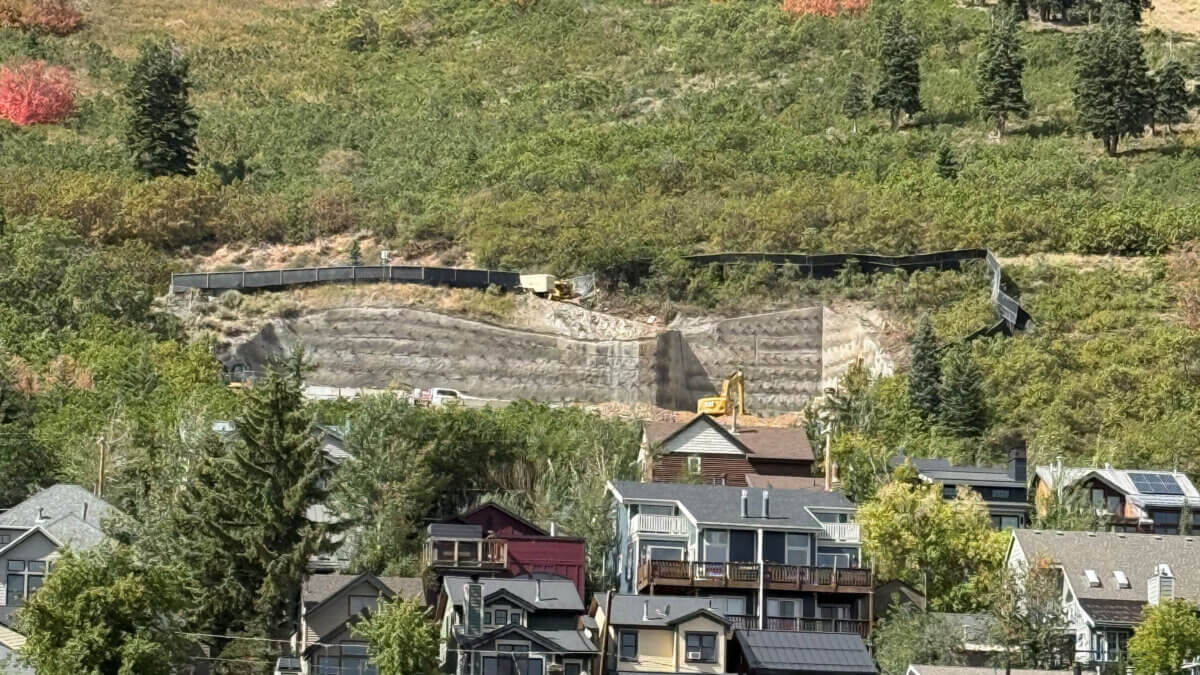
In their latest statement, the Fredston-Hermanns characterize the agreement as an attempt to bypass the normal land-use approval process. They also question the city’s decision to allow excavation and shoring work to proceed while the litigation remains unresolved.
Prince has defended the project throughout the dispute, saying city staff subjected the proposal to extensive review and that the home complies with applicable regulations. During the January council discussion, Prince said the project had received more scrutiny than any other single-family home and argued the agreement would allow his family to move forward after years of litigation.
The Sept. 23 hearing will determine whether the Fredston-Hermanns’ legal challenge can continue despite the consent agreement and whether a judge will review the underlying land-use decisions.


2266 E Garfield Avenue
Salt Lake City, UT 84108