Park City Council holds off on proposal for new Quinns Junction transit route, looks to make winter buses more reliable

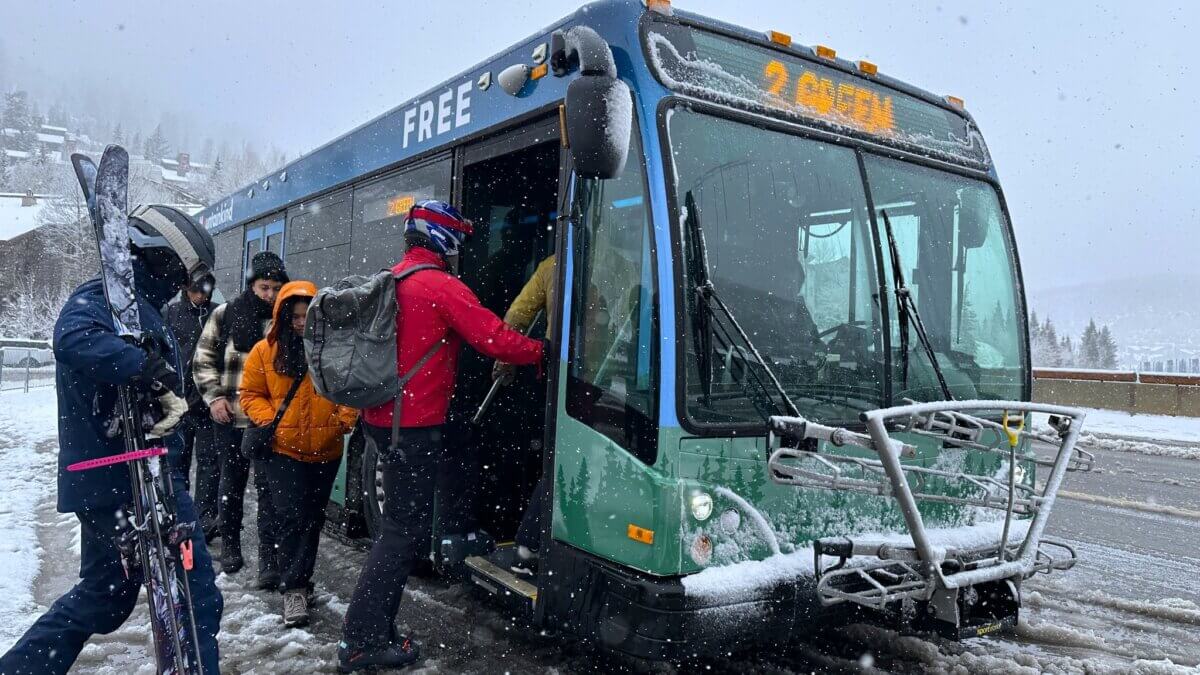
PARK CITY, Utah — Park City Transit presented plans to change the way it schedules buses this winter and asked City Council for direction on a proposed new route serving the growing Quinns Junction area.
Council members voiced support for Transit’s new scheduling strategy during its Thursday work session but stopped short of moving forward with a proposed 10-Pink route connecting Quinns Junction with the A-Fresh Market transfer hub.
The proposed route would serve destinations including Park City Hospital and Studio Crossing, with a potential future connection to the National Ability Center, but Council members questioned whether Quinns Junction has enough ridership yet to justify dedicating a bus to the route.
Park City’s winter bus service typically launches in early December, with the winter schedule running through mid-April.
A new way to schedule winter buses
For the 2026-27 winter season, Transit is looking to use data from last winter to adjust scheduled bus runtimes based on the time of day and traffic conditions.
Currently, many routes use the same scheduled runtime throughout the day, even though winter congestion can alter route times significantly. Under the new system, Transit will build schedules around the time it historically takes buses to travel individual route segments at different times of day.
That means some routes could have slightly longer scheduled travel times during peak congestion, while other periods could see shorter runtimes and more frequent service.
The system will also move away from rigid clock-based frequencies. Instead of trying to have a bus arrive at a stop at exactly 30-minute intervals throughout the day, frequencies can vary based on the time it takes a bus to complete its route, taking traffic delays into consideration.
Transit says the approach could allow it to increase service in some periods while reducing unnecessary layover time.
The department also plans to keep individual buses largely confined to a single route or corridor. Currently, buses can be scheduled across multiple routes, meaning a delay on one route can carry over to another. The new approach is intended to limit those cascading delays.
The schedules will still be published for riders, and the change does not mean buses will operate on a constantly changing schedule. Instead, Transit is using historical data to build a winter bus schedule that accounts for predictable traffic patterns.
A proposed new route for Quinns Junction
The other major piece of the winter plan was a proposal to expand fixed-route service into Quinns Junction.
The area currently has High Valley Transit commuter service to Park City Hospital during morning and evening periods, as well as microtransit and paratransit, but the staff report identifies a gap in fixed-route service during the middle of the day.
The proposed 10-Pink route would serve Park City Hospital and Studio Crossing, with the longer-term concept extending to the National Ability Center and athletic facilities in the Quinns Junction area.
Studio Crossing currently has 108 of its planned 380 housing units completed, according to the staff report. Staff also said the development expects additional retail employees, customers, and residents as construction projects are completed in December.
Park City Hospital told Transit it supports the potential fixed-route service, citing workforce transportation needs as well as the midday mobility gap for patients and people using nearby clinics and Peace House.
Council members, however, questioned whether projected ridership was enough to justify launching the route now, particularly while Studio Crossing is still being built out.
Some members also raised concerns that launching the route before Quinns Junction is fully developed could produce artificially low ridership numbers and make the route appear unsuccessful. Others pointed to potential future ridership generators, including the National Ability Center and athletic facilities, that could make the route more useful later, as the area develops.
Council ultimately directed Transit to pause the proposed Pink Route for future consideration, indicating they wanted more information about potential demand before committing existing transit resources to a new route.


2266 E Garfield Avenue
Salt Lake City, UT 84108