Zebra mussel DNA found near Moab as Utah officials monitor Colorado River

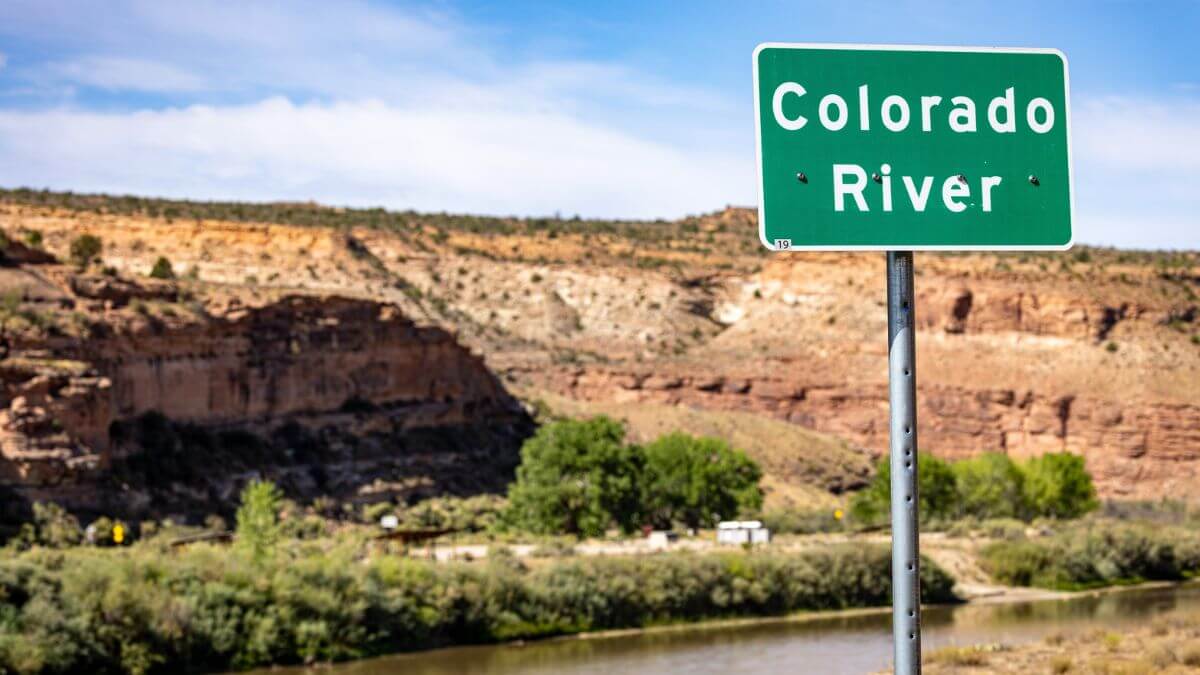
UTAH — Fragments of zebra mussel DNA have been detected in the Colorado River in Utah for the first time, prompting state wildlife officials to remind boaters and other river users to take precautions to prevent the spread of aquatic invasive species.
The Utah Division of Wildlife Resources announced the detection Tuesday saying four of 22 water samples collected near the Potash Boat Ramp in June and July tested positive for zebra mussel DNA.
The finding does not confirm that live zebra mussels are present in Utah.
Environmental DNA, or eDNA, can indicate that an animal is present somewhere upstream, but the detection alone does not establish where the animal is or whether a population has become established.
The sampling location was near the Potash Boat Ramp, about 14 river miles downstream of Moab. DWR began monitoring the Colorado River for invasive mussels in 2025, sampling from the Utah-Colorado border to Moab.
The detection comes as zebra mussels are an emerging concern in the Upper Colorado River Basin. An established infestation was documented near Loma, Colorado, in 2025, and USGS records also show zebra mussel detections at multiple locations farther upstream along the Colorado River in Colorado.
“Once established, zebra mussels can clog pipes and infrastructure, create recreation hazards on rocks and beaches, and alter ecosystems,” Utah Department of Natural Resources Law Enforcement Aquatic Invasive Species Statewide Operations Lt. Bruce Johnson said in a statement. “It is critical for anyone who uses boats, paddleboards, kayaks and any other watercraft to adhere to all the laws and to clean, drain and dry their watercraft in order to prevent these aquatic invasive species from spreading further into Utah.”
What river users need to know
Utah requires all users of watercraft — including nonmotorized boats such as canoes, paddleboards, kayaks, and rafts — to complete the state’s annual mussel-aware boater course. The course covers aquatic invasive species and ways water users can help prevent their spread.
People launching motorized boats in Utah must also enroll in the state’s aquatic invasive species program and pay an annual fee. The fee supports the state’s efforts to prevent aquatic invasive species from spreading between water bodies.
DWR also encourages all boaters and floaters to follow the “clean, drain and dry” practice whenever moving between waterways.
Utah’s only waterbody currently known to have an established quagga mussel infestation is Lake Powell, according to DWR.
“As one of the primary users of the Colorado River, nonmotorized boaters are our first line of defense in helping reduce this risk of transporting this species from the Colorado River to other waters in the state,” DWR Sportfish Coordinator Trina Hedrick said. “All boaters are encouraged to clean, drain, and dry all watercraft when moving between waterbodies to help prevent the spread of aquatic invasive mussels.”


4251 E Lipizzan Jump
Moab, UT 84532