Utah DWR asks deer hunters to test harvested deer for chronic wasting disease

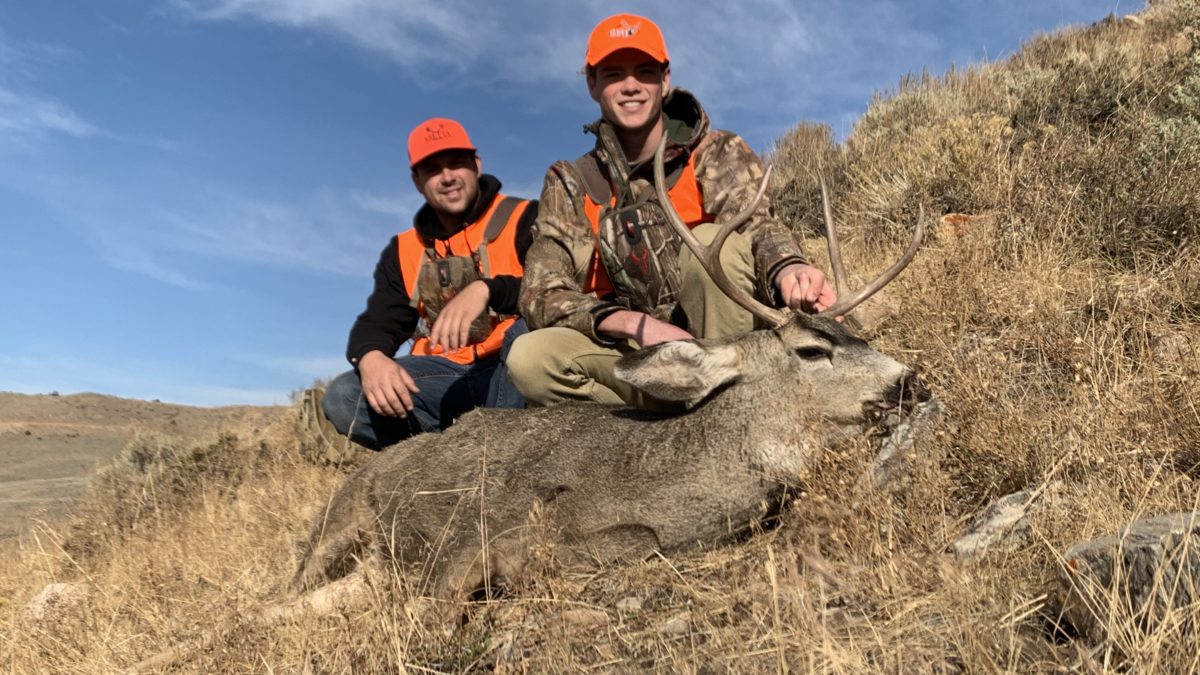
PARK CITY, Utah — Deer hunters in Utah are being encouraged to stop at state Division of Wildlife Resources check stations this fall to have harvested deer tested for chronic wasting disease, a fatal illness that can spread through deer populations.
The DWR is conducting CWD monitoring across Utah this hunting season, including in the Kamas, East Canyon, and Morgan-South Rich hunting units, as part of a rotating five-year sampling schedule. Hunters who harvest deer in units being sampled this year can receive a free CWD test at designated check stations.
Chronic wasting disease affects the nervous systems of deer, elk, and moose. The disease is caused by a misfolded protein called a prion, which accumulates in an infected animal’s brain and spinal cord.
Deer can carry the disease without showing symptoms, meaning an infected animal may appear healthy when harvested. The DWR says testing is the only way to determine whether a harvested deer is infected.
“We take the presence of CWD in Utah seriously and will continue to do extensive monitoring to stay on top of the disease and its prevalence in the state,” DWR State Wildlife Veterinarian Ginger Stout said. “We are strongly encouraging hunters to stop at our check stations if they harvest a deer within the sampling hunting units this year.”
As of Feb. 23, 2026, 435 mule deer and 11 elk had tested positive for CWD in Utah, according to the DWR. The disease has been detected throughout the state, with cases primarily concentrated in northeastern and southeastern Utah.
Learn more about where to get deer tested and the general process for testing.
What hunters should know about CWD
Infected deer can develop brain lesions, become emaciated, appear listless, and eventually die. However, animals in the early stages of the disease can appear completely healthy.
CWD can spread through direct contact with infected animals and through environmental contamination. Infected animals can shed the disease-causing prions through urine, feces, and saliva, and the prions can remain infectious in soil for years.
The Centers for Disease Control and Prevention considers the risk of CWD transmission from animals to humans extremely low, but recommends that people do not eat meat from animals that test positive for CWD.
The DWR also asks hunters to properly dispose of carcass remains. When processing a deer in the field, hunters should leave the spinal cord and other waste at the harvest site. If processing somewhere else, leftover remains should be bagged and placed in a landfill or trash rather than dumped elsewhere outdoors.


2266 E Garfield Avenue
Salt Lake City, UT 84108