Wildlife
Young bats are taking flight across Utah. Here’s what to do if one enters your home

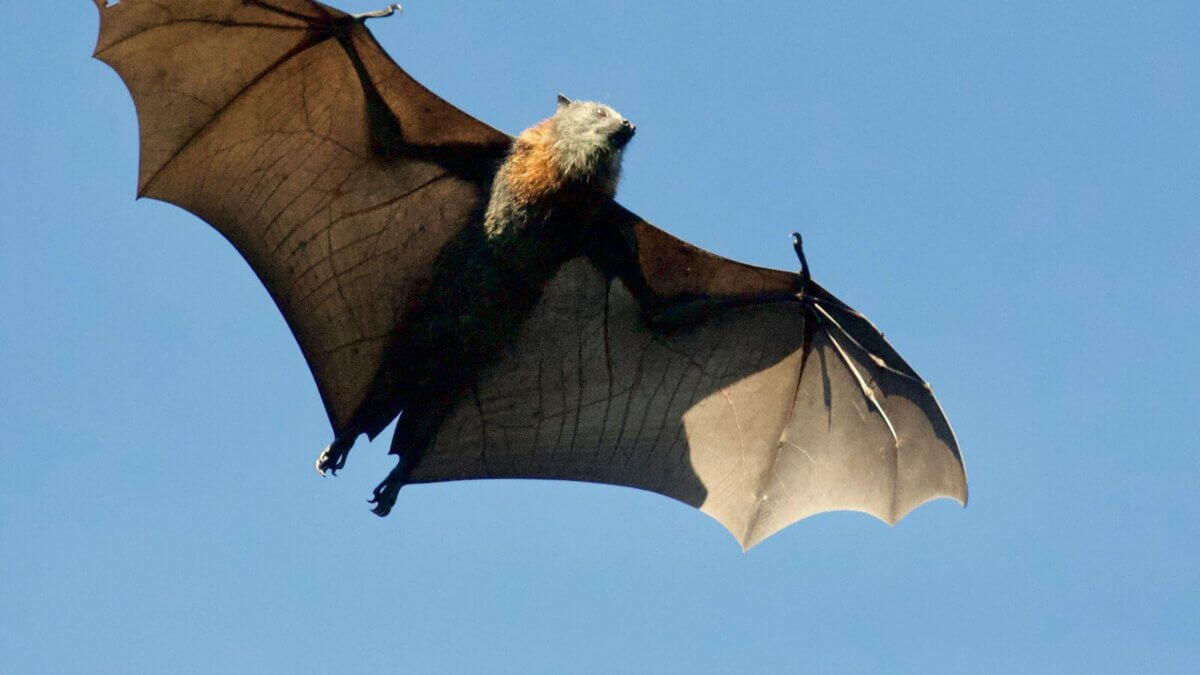
Utah wildlife officials say sightings often increase in July and August as young bats learn to fly and leave their roosts. Photo: James Wainscoat
SALT LAKE CITY — Utah wildlife officials are reminding residents not to handle bats with bare hands as young bats begin leaving their roosts and learning to fly during July and August.
Utah is home to 18 confirmed bat species, with the greatest diversity found in southern Utah, according to the Utah Division of Wildlife Resources. The state may have additional species that have not yet been documented.
“Bats are the only mammals capable of true flight,” DWR Mammal Conservation Coordinator Kimberly Hersey said. “They are found throughout the state and can be abundant wherever they can find food, shelter and water.”
Utah bats feed almost exclusively on insects and depend on standing water for drinking and for the insects that gather nearby. Female bats require additional water while nursing their young, known as pups.
Residents may notice more bats during midsummer as pups become active and begin flying for the first time. Bat encounters also typically increase in September as migratory species, including Mexican free-tailed bats, move through the state, Hersey said.
Five of Utah’s bat species migrate south between late August and October before returning in April and May. Other species hibernate in caves, mines, and cliff crevices, often alone or in small groups rather than in the large colonies found in some eastern states.
Bats in attics
Groups of bats living in attics or other structures are often maternity colonies made up of female bats and their pups. The females generally arrive during the spring and give birth in May or June.
Wildlife officials discourage removing bat colonies between May and August because young bats may not yet be able to fly. Blocking adult bats from returning to the roost could kill the pups and may cause the adults to enter a home’s living areas while trying to reach them.
Bats are protected wildlife in Utah, and it is illegal to kill them.
“From June to August is the hardest time of year for dealing with bat nuisance issues,” Hersey said.
Unless bats are creating an immediate health or safety risk, homeowners should wait until the young can fly before excluding a colony and sealing entrances. Anyone who suspects bats are living in an attic should contact a permitted wildlife nuisance control company. The DWR can work with the company to authorize removal at a time that will not harm the pups.
Fall is generally the best time to seal cracks and openings around siding, chimneys, and rooflines after bats have left their summer roosts.
Bats inside the home
Because bats can carry rabies, the DWR advises people never to touch one with bare hands. Anyone who has physical contact with a bat should contact their local health department for guidance.
If a bat enters a home, officials recommend opening a door or window, turning off indoor lights, and switching on an outside porch light. People should leave the room and let the bat find its own way out.
If the bat does not leave, it can be removed while wearing heavy leather gloves. Place a small box or can over the bat, slide a piece of cardboard underneath to contain it, and release it outside on a tree or another elevated surface.
Bats may also rest temporarily under porches or overhangs between feeding periods. Hanging streamers, balloons, old compact discs, or other objects that move in the breeze may discourage them from returning.
Homeowners can also make attics less appealing by using fans and inspecting the building’s exterior for gaps. Openings can be sealed with caulk, hardware cloth, foam sealant, tar paper, or chimney caps, but officials warn against sealing an occupied roost while the pups are unable to fly.
After August, homeowners may place bird netting over an exterior opening, securing the top and sides while leaving the bottom open. The bats can exit beneath the netting but cannot return. Wildlife officials recommend leaving the netting in place for four or five days before sealing the opening permanently.
Additional bat safety and conflict-prevention information is available through Wild Aware Utah.
By: Rebecca Brenner


4251 E Lipizzan Jump
Moab, UT 84532
2266 E Garfield Avenue
Salt Lake City, UT 84108Talk of the Town


Park City Jobs

Compounding Pharmacy Technician, Alpine Apothecary
2 days ago Full time $19.00 - $24.00 hourly

Ski Instructor and Snowboard Instructor, National Ability Center
2 days ago Seasonal $20.00 - $23.00 hourly

Custom picture framer and art sales, Park City Frame & Gallery
3 days ago Full time $21.00 - $24.00 hourly

Hospitality and Operations Specialist, InvitedHome
5 days ago Full time $60,000 - $68,000 yearly

Payroll Specialist – Ski Industry – Full-Time, Surefoot LC
5 days ago Full time