Utah wildlife officials urge caution as cougar sightings increase near trails, foothills

Mountain lion attacks remain rare, but DWR says hikers, runners and residents can take simple steps to reduce risk
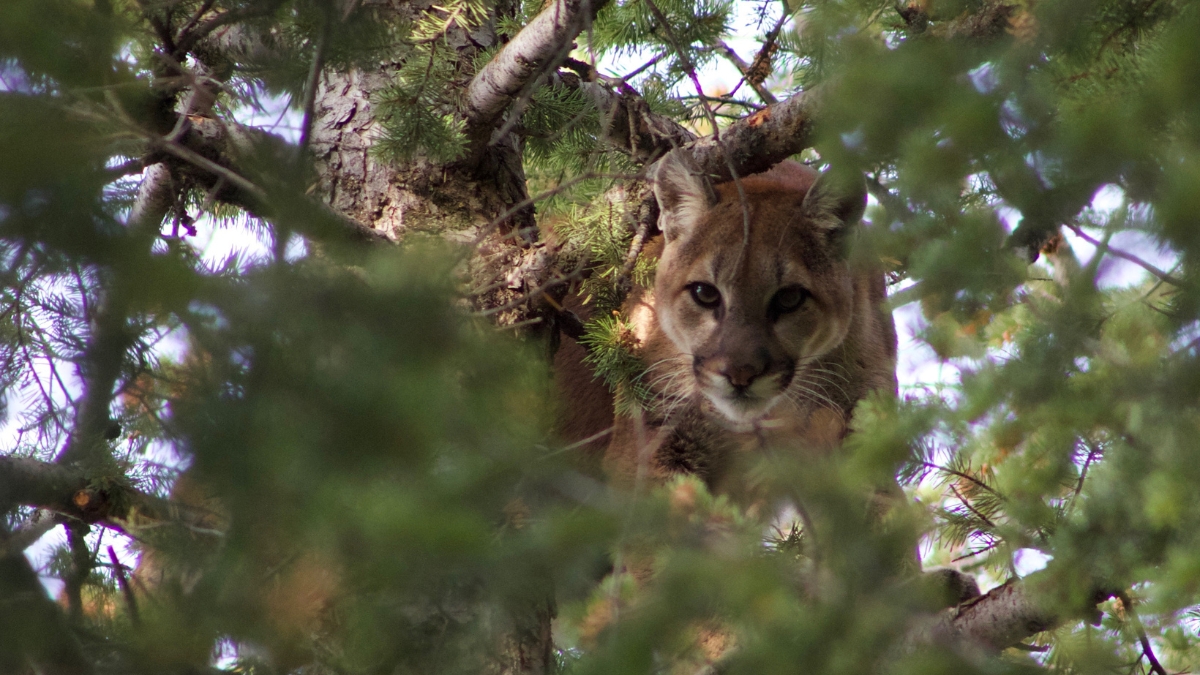
SALT LAKE CITY, Utah — Utah wildlife officials are reminding hikers, trail runners, and residents to stay alert in cougar country this summer, especially in foothill and canyon areas where deer are common.
Cougars, also known as mountain lions or pumas, live throughout Utah. Although attacks are rare in the United States, the Utah Division of Wildlife Resources said people may still encounter the elusive predators on trails, near foothill homes, or on doorbell and security cameras.
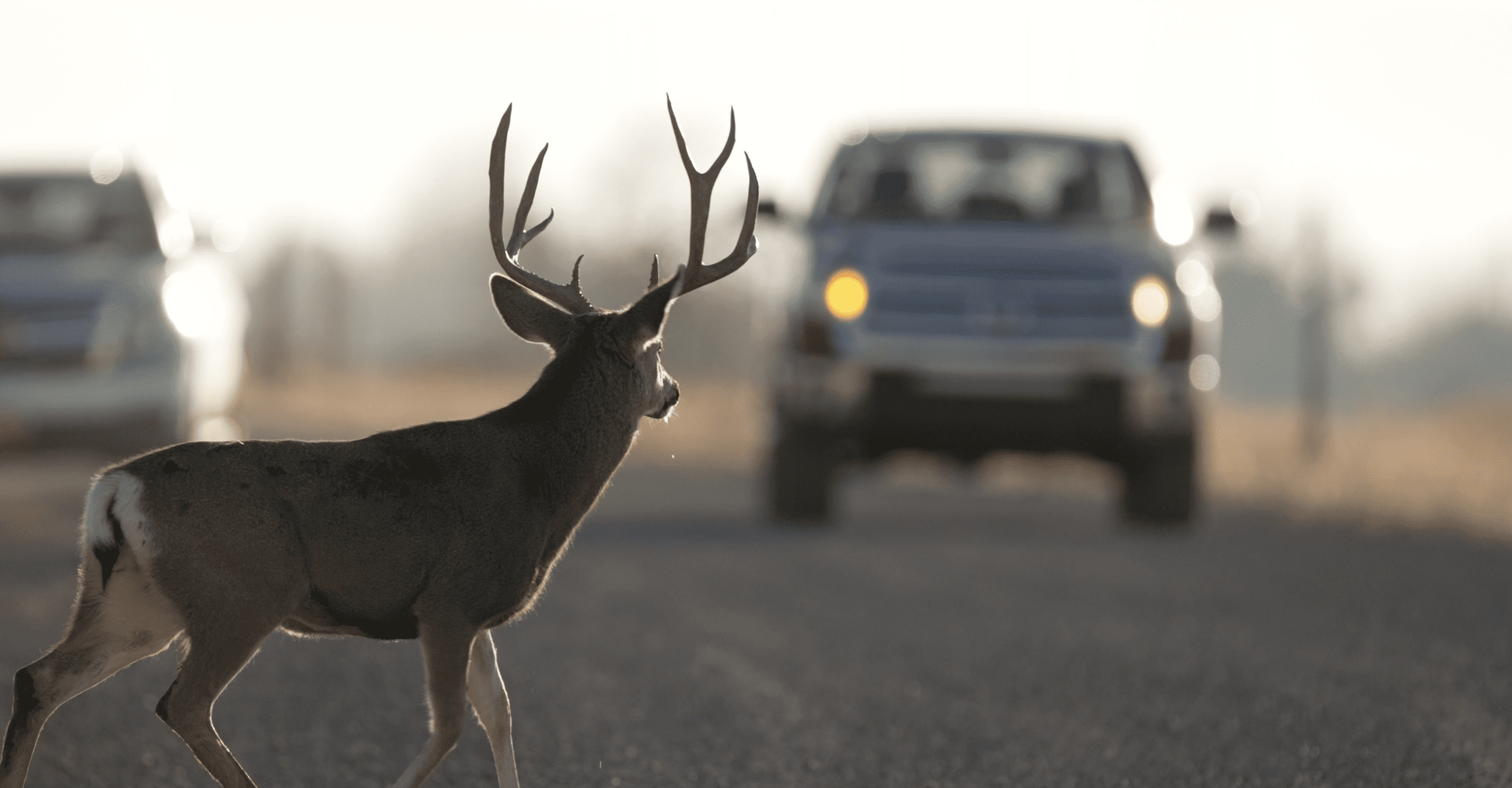
Cougars are most often found where deer are present, according to the DWR. Deer are their primary prey, though cougars also eat elk, pronghorn, small mammals, and occasionally birds. After making a kill, a cougar may hide the carcass under soil, leaves, or snow and return to feed on it later.
“People are most likely to encounter cougars in areas frequented by mule deer, and at dawn and dusk, which is when cougars typically hunt,” Chad Wilson, DWR game mammals coordinator, said.
The agency recommends that people avoid hiking or jogging alone in cougar habitat. Hikers and runners should stay alert to their surroundings, avoid headphones that block outside noise, and travel in groups when possible. Children and dogs should be kept close.
The DWR also recommends making noise while hiking to alert wildlife and leaving the area immediately if you come across a dead deer, elk, or other animal, which could be a cougar kill.
For residents living near deer habitat, the DWR advises against leaving children unattended outside, especially at dawn or dusk. Exterior and motion-sensitive lighting can help deter wildlife. Residents can also trim vegetation, remove wood piles, and reduce potential hiding places near homes. Pets and livestock should be brought inside at night or secured in a barn or covered kennel.
If someone encounters a cougar, the DWR says the most important thing is not to run, which can trigger the animal’s instinct to chase. People should maintain eye contact, pick up children and small pets or keep them close, stand tall, and avoid crouching or squatting.
The DWR recommends making yourself look larger by raising and waving your arms or a jacket above your head, speaking firmly and loudly, and backing away slowly. If attacked, fight back and protect your head and neck.
“Typically, a cougar that is trying to prey on something will sneak up and ambush them,” Wilson said. “When a cougar lunges or bluffs a charge at someone, they are typically just trying to drive them out of the area because they have kittens or a kill nearby that they are trying to protect.”
The DWR said cougar sightings have increased in recent years, partly because more homes have doorbell and security cameras, and more people are living in areas that overlap with cougar and deer habitat.
Not every cougar sighting needs to be reported. A one-time security camera image or a distant sighting in the foothills usually means the animal is moving through the area and has often left by the time wildlife officers can respond.
Residents should report a cougar if it kills an animal in a neighborhood or yard, acts aggressively, or appears repeatedly on security cameras.
More cougar safety information is available through Wild Aware Utah.


2266 E Garfield Avenue
Salt Lake City, UT 84108