Wild Wasatch: Spring means sharing the trail with moose

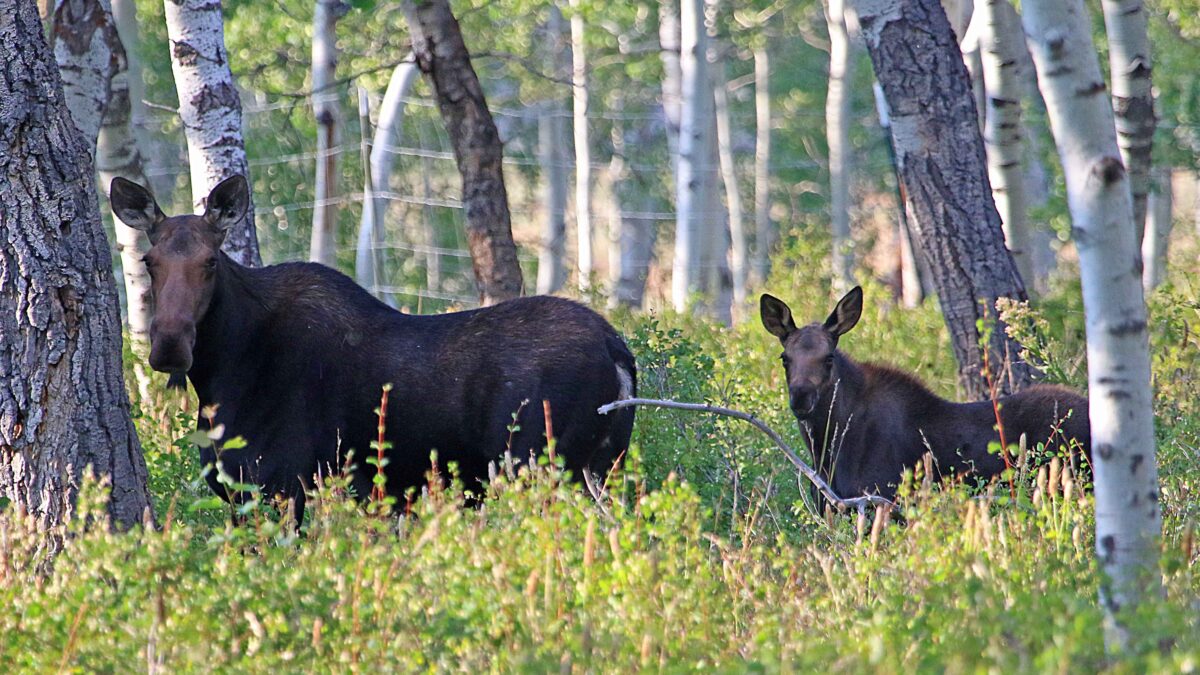
Fresh forage, calving season and earlier trail use can all shape springtime encounters in the Wasatch.
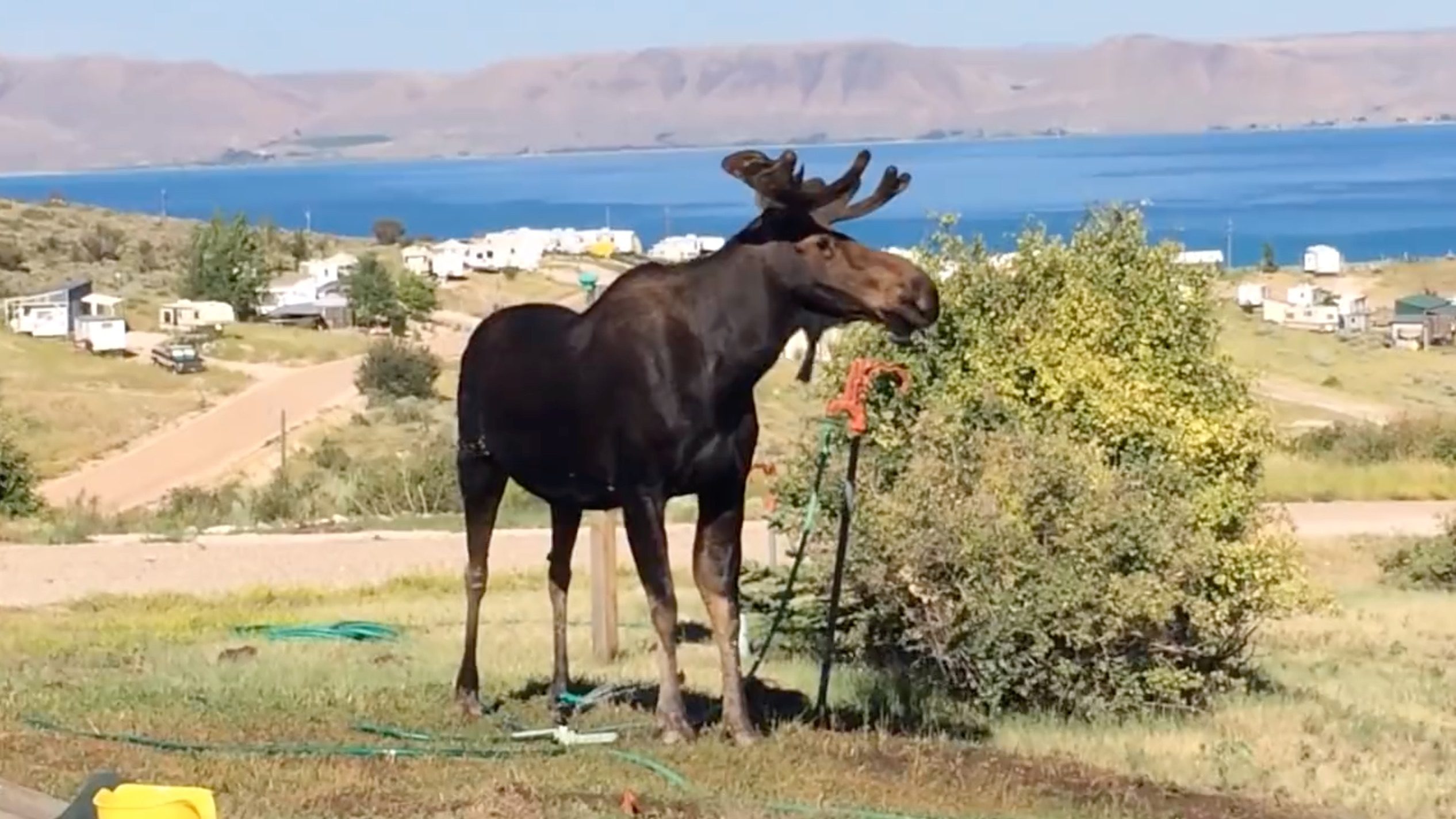
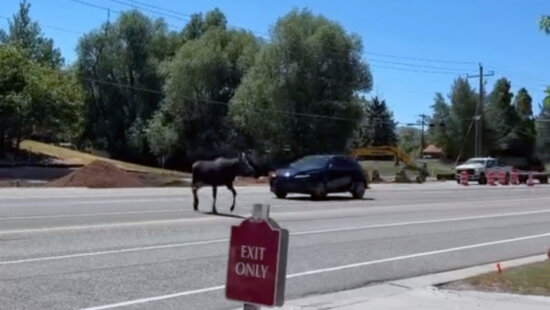
SUMMIT COUNTY, Utah — Spring brings people back to the trails, but it also brings moose into more visible places. As the season turns, moose move through lower and mid-elevation habitat in search of fresh browse and water, which can mean more sightings near trails, neighborhoods, and wetland edges. The Utah Division of Wildlife Resources also notes that cows typically have calves in late May and early June, making spring one of the more sensitive times of year to encounter one.
Utah is home to an estimated 2,500 to 3,000 moose, according to DWR, and they are the largest members of the deer family. Adult moose in Utah can weigh roughly 600 to 1,000 pounds, and bulls can stand about 6 feet tall at the shoulder. That scale is worth remembering on the trail: moose may look calm, but they are powerful wild animals and can be genuinely dangerous when they feel cornered or threatened.
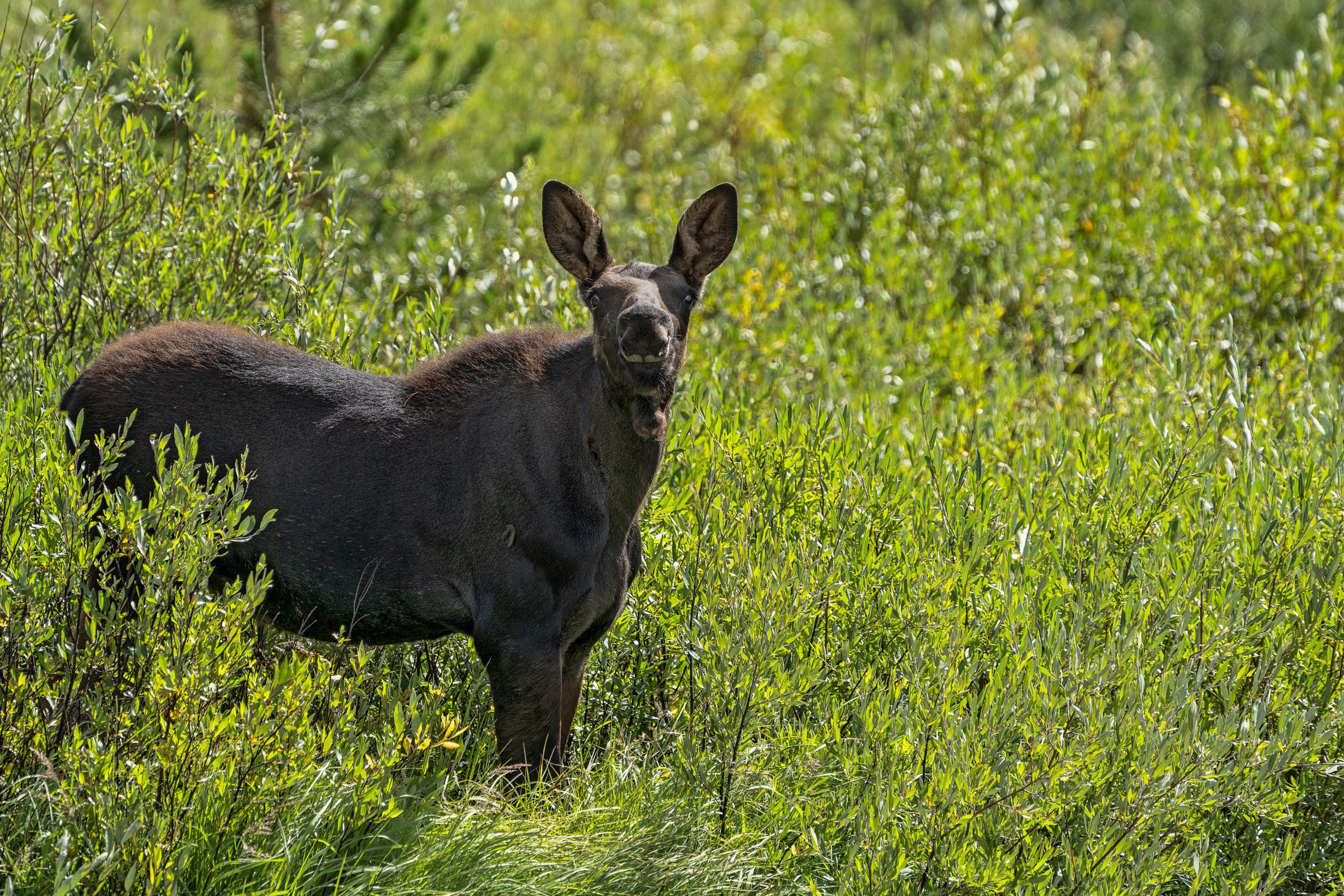
Spring is also when moose can look a little strange. DWR says biologists have reported as many as 10,000 ticks on a single moose, and during April and May, some animals may appear unusually pale or patchy — sometimes called “white moose” — because they have rubbed off fur trying to rid themselves of winter ticks. It is a striking sight, but not an invitation to get closer.
The bigger point is simple: this is a season for awareness. Cows with calves can be especially defensive, and any moose can become aggressive if it feels pressured. DWR says warning signs may include pinning back the ears, a lowered head, raised hair on the neck, and repeated lip licking. If you notice any of that, it is time to create more distance right away.
If you do encounter a moose, wildlife officials recommend staying calm, speaking so the animal knows you are there, and backing away slowly in the direction you came. If a moose charges, DWR advises getting behind something solid, such as a tree, vehicle, or building. If you are knocked down, the agency says to curl into a ball, protect your head, and remain still until the animal moves away.
Dogs can complicate things fast. DWR warns that moose often view dogs as predators, which can make an encounter escalate more quickly for both the dog and the person holding the leash. Utah law also prohibits dogs from chasing or harassing protected hoofed wildlife, including moose.
A moose sighting can feel like one of spring’s great Wasatch moments. But it is also a reminder that these trails are shared habitat, not just recreation corridors. The safest encounters happen when people resist the urge to get closer and give moose the space they need to move through the season undisturbed.


4251 E Lipizzan Jump
Moab, UT 84532