Utah snowpack at just 19% of normal, lowest ever recorded

UTAH — Utah’s snowpack has reached its lowest level ever recorded, according to a new special report from the Natural Resources Conservation Service, setting up an unprecedented water year for the state.
As of April 1, statewide snow water equivalent — a key measure of how much water is stored in the snowpack — was just 2.7 inches, or 19% of normal. Records for comparison date back to 1930, and officials say this year’s levels are not just the lowest on record, but far below any previous year.
“This snowpack is truly unprecedented,” the report notes. The previous low, recorded in 2015, was roughly five times higher than 2026 levels.
The rapid decline followed a historically warm and dry March. Snowpack across Utah peaked more than three weeks ahead of average on March 9, and then melted at the fastest rate ever observed for the month. At its peak, snowpack reached just 8.4 inches, already below the previous record low.
By early April, conditions had deteriorated across the state. Every major basin recorded record-low snowpack levels, and more than a third of monitoring sites had already completely melted out.
Water managers warn the impacts will be significant.
Runoff forecasts for April through July are expected to range from just 5% to 63% of average, with many basins likely falling into the lowest 10% of historical conditions.
Despite the poor snowpack, recent snowmelt has temporarily boosted soil moisture, which is currently well above normal for this time of year. However, officials say that early melt could lead to a longer, drier summer and increased wildfire risk if conditions persist.
Reservoir storage across Utah currently sits at about 69% of capacity, down from this time last year, and is expected to decline earlier than usual due to the lack of sustained snowmelt.
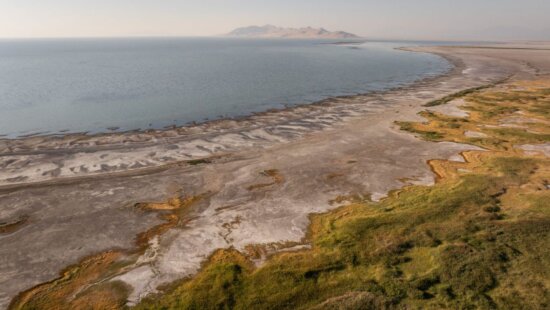
Conditions in the Great Salt Lake basin mirror the statewide trend. Snowpack there is just 23% of normal, and inflows to the lake this spring are forecast to be well below average, with little to no expected rise in lake levels.
Nearly all of Utah remains in drought conditions, and officials say the state is now experiencing what’s known as a “warm snow drought,” where precipitation falls as rain instead of snow, which limits long-term water storage.
With forecasts pointing to continued dry and warm conditions into early summer, water users across the state are being urged to prepare for limited supply and plan accordingly.


2266 E Garfield Avenue
Salt Lake City, UT 84108