Look Up, Summit County


April dark-sky events invite families and night owls to explore the stars, wildlife, and wonder after sunset
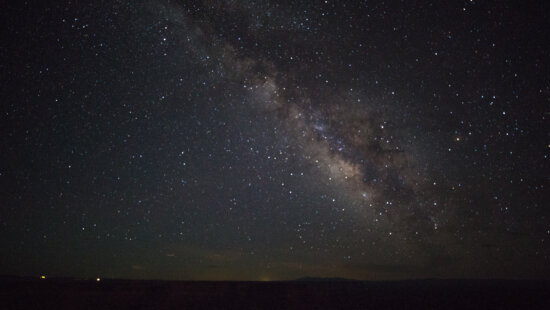
HEBER VALLEY, Utah — Heber Valley’s ongoing dark-sky effort will take center stage this month with a series of evening programs aimed at helping residents and visitors experience the night sky while learning more about light pollution, wildlife, and astronomy.
The April lineup, promoted through Heber City’s Dark Sky Initiative and Utah State Parks programming, includes family activities, guided sky tours, and a meteor shower viewing event at Wasatch Mountain State Park and Jordanelle State Park. The events coincide with International Dark Sky Week programming at Jordanelle State Park.
The first event, “Junior Ranger: Nocturnal Investigations,” is scheduled for April 15 at 8 p.m. at the Rock Cliff Nature Center in Jordanelle State Park. The hands-on program is designed for children ages 4 to 12, though all ages are welcome, and will focus on wetland wildlife and other nocturnal activity. Utah State Parks says regular park entry fees apply.
Two events follow April 17. “Discover the Night” is set for 7 to 10 p.m. at Wasatch Mountain Golf Course in Wasatch Mountain State Park. Organizers say the event, presented in collaboration with the University of Utah, will include guided stargazing, astronomy-themed crafts and games for children, and an appearance by Swoops, a great horned owl. Pre-registration is required by April 13 through the Friends of Wasatch Mountain State Park website, and payment is due at registration.
Later that evening, Jordanelle State Park will host “Know Your Place” at 8:30 p.m. at the Rock Cliff Nature Center, offering a guided naked-eye tour of the April night sky. Organizers recommend dressing in layers and bringing insect repellent. Families and leashed dogs are welcome, and there is no additional fee beyond regular park admission.
The month’s skywatching events will wrap up April 22 with a meteor shower viewing party from 8:30 to 10 p.m. at the Rock Cliff Nature Center. The event is timed with the annual Lyrid meteor shower, which NASA says peaks overnight April 21-22. NASA says viewers should look east beginning around 10 p.m. April 21 and continue watching into the night and early morning hours of April 22 for the best chance to see meteors.
Attendees are encouraged to bring chairs, wear layers, and use red-light headlamps to preserve night vision. The broader goal, organizers say, is not only to create memorable outdoor experiences but also to raise awareness of the need to preserve dark skies in the Heber Valley region.


2266 E Garfield Avenue
Salt Lake City, UT 84108