Summit County home prices fall, but most renters remain priced out

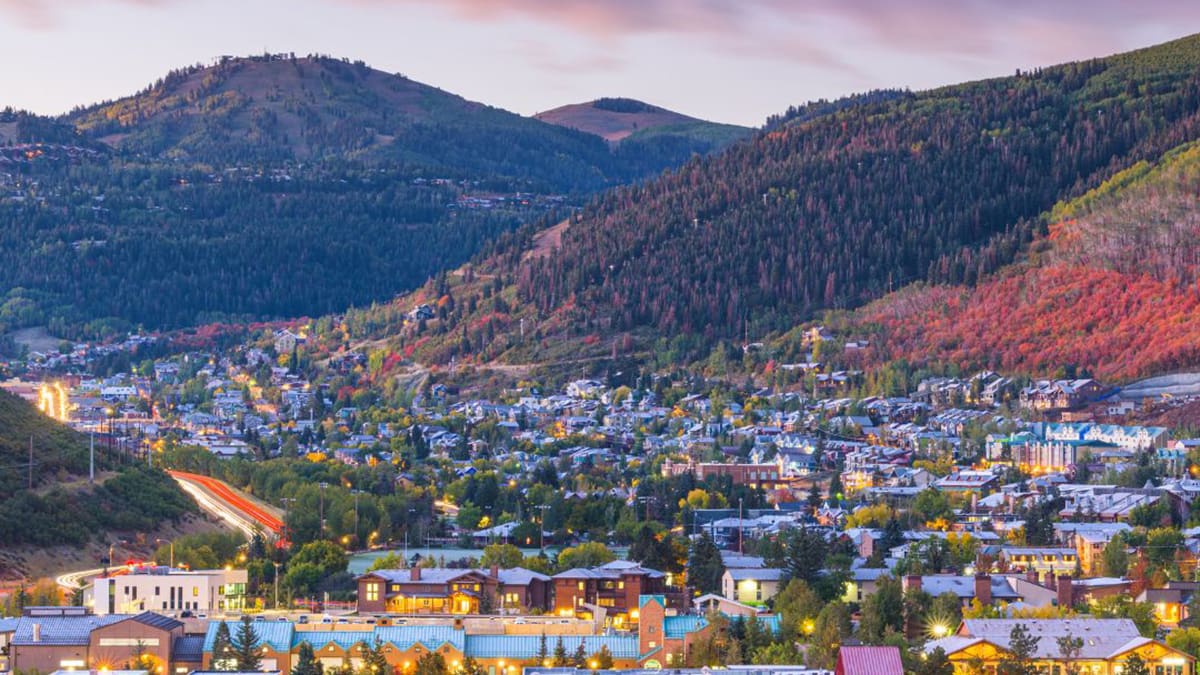
Summit County has both the highest median home prices and highest median income in Utah. But homeownership remains out of reach for most local households.
PARK CITY, Utah — Home prices in Summit County fell 5% over the past year, but that did little to make the local housing market more accessible to local households.
At the same time, neighboring Wasatch County saw its median single-family home price jump nearly 22%, according to a new report from the Kem C. Gardner Policy Institute. The two counties remained the most expensive housing markets in Utah.
The median home sale price in Summit County reached about $2.2 million in the first quarter of 2026, down from about $2.31 million a year earlier. Wasatch County, meanwhile, saw its median price climb from $989,000 to about $1.2 million.
For Summit County residents, however, the price decline doesn’t necessarily translate into affordability.
The Gardner Institute estimates a household would need about $427,300 in annual income to afford Summit County’s median-priced home with a 10% down payment, accounting for the mortgage, property taxes, homeowners insurance, and private mortgage insurance.
Summit County had Utah’s highest median household income in 2024, at about $138,114.
The gap between median home prices and median income shows a community can have relatively high incomes while still having a housing market that is out of reach for many of the people who live and work there.
And for those who cannot afford to buy, renting doesn’t necessarily offer an easy path into homeownership.
According to the Gardner Institute report, 97% of Summit County renters cannot afford to buy a median-priced home. In neighboring Wasatch County, the figure is 99%.
A housing market separate from local incomes
The city currently has hundreds of deed-restricted affordable homes and has identified a need for roughly 1,864 additional units over the next several years, with the goal to house 15% of the workforce within city limits by 2032.
One of the city’s primary tools is its inclusionary-housing requirement, which generally requires qualifying residential developments to provide 20% of their housing obligation through affordable housing.
Developers can meet the requirement through several options, including constructing deed-restricted units, preserving existing units, dedicating land, or paying an in-lieu fee.
The city has also incorporated affordable housing into partnered development and redevelopment efforts, including EngineHouse and Studio Crossing.
Most recently, a mixed-use project proposed for the Five-Acre Site in Bonanza Park is moving through the city’s Planning Commission. The proposal includes 106 housing units, including 88 affordable units, along with commercial and arts space, child care and parking.
The projects represent an attempt to add housing specifically aimed at people who work in Park City but cannot compete for homes at the county’s market-rate prices.
The challenge is likely to continue as the region grows.
The Gardner Institute projects Summit County will add about 2,094 households between 2025 and 2035, an increase of roughly 20%.
For Park City and Summit County, the issue is less about whether the region has high-paying jobs and more about whether workers and families can find housing that matches those incomes.


4251 E Lipizzan Jump
Moab, UT 84532