Solar tops coal, natural gas in Utah electricity generation in May

SUMMIT COUNTY, Utah — Solar generated more electricity in Utah in May than either natural gas or coal, according to the latest federal electricity data, as solar production continues to grow across the state.
Utah generated about 964,000 megawatt-hours of electricity from solar in May, according to the U.S. Energy Information Administration. That figure includes electricity from utility-scale solar facilities as well as estimated small-scale generation, including rooftop systems. Solar generation was up 42.7% from about 675,000 megawatt-hours in May 2025.
Natural gas plants generated about 943,000 megawatt-hours in Utah in May, up 43.9% from about 655,000 a year earlier, according to the EIA. Coal plants generated about 821,000 megawatt-hours, down 26% from about 1.1 million in May 2025.
In simpler terms, when large solar projects and smaller solar installations are counted together, solar produced slightly more electricity in Utah during May than either natural gas or coal.
The shift has a local connection.
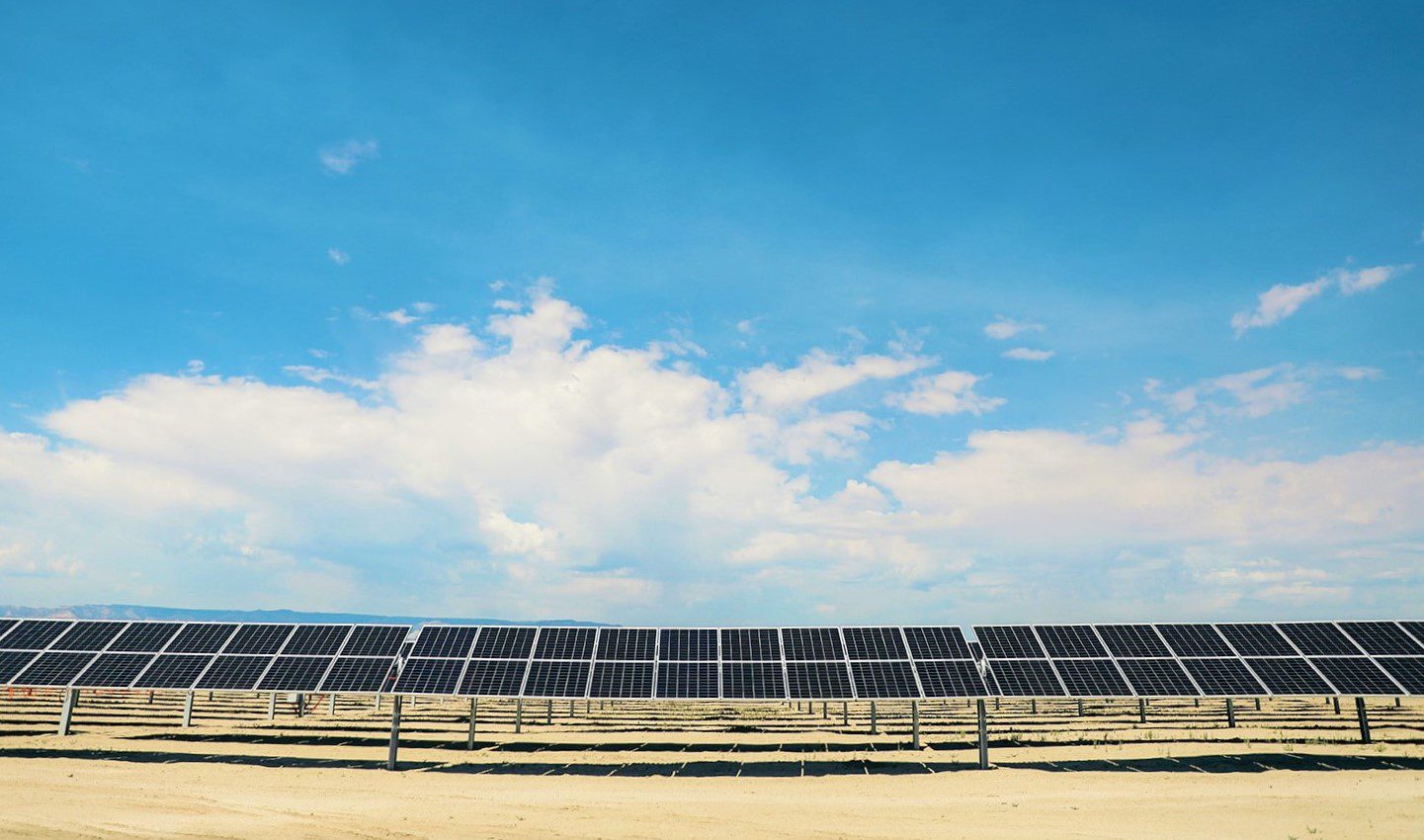
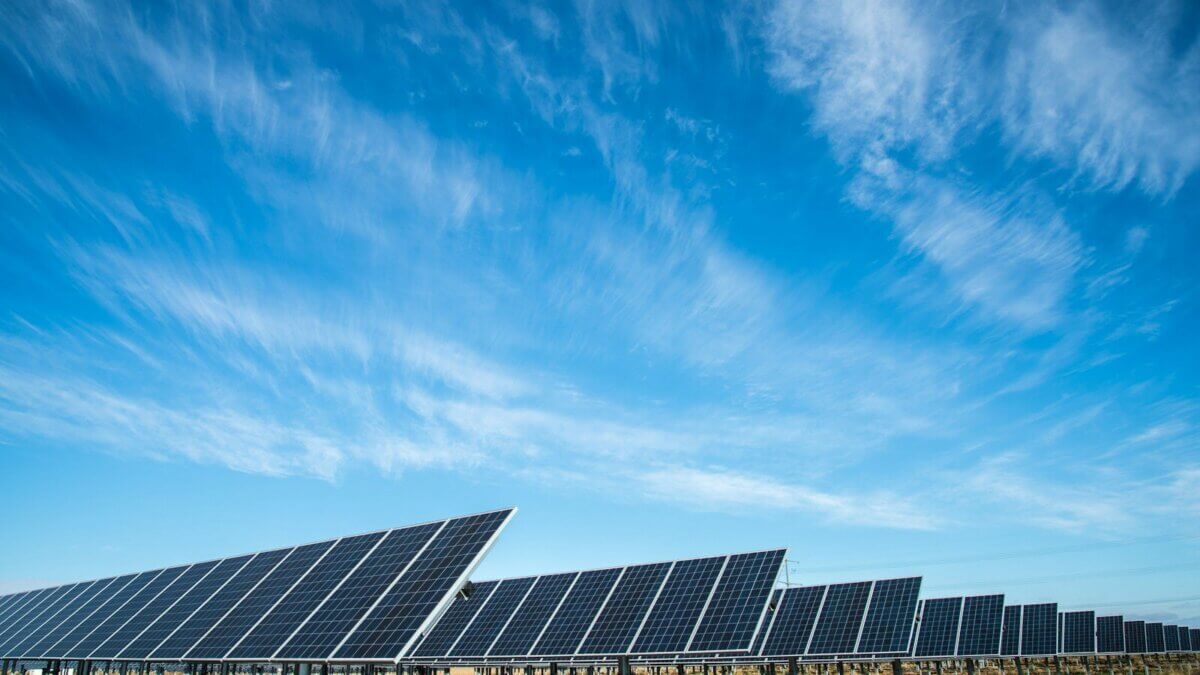
The 80-megawatt Elektron Solar Project in Tooele County reached commercial operation April 25, 2024, according to Salt Lake City’s sustainability department. Salt Lake City developed the project with five other large electricity customers and Rocky Mountain Power. Those customers include Park City, Summit County, Utah Valley University, Park City Mountain Resort and Deer Valley Resort.
Solar growth is also evident beyond a single month. From January through May, Utah generated about 3.39 million megawatt-hours from solar, up 35.9% from approximately 2.49 million during the same period in 2025, according to the EIA.
The May figures do not mean solar will remain Utah’s largest source every month. Solar production changes with daylight and weather, while electricity demand and generation from other sources also fluctuate.
Still, the latest EIA data show a significant shift in Utah’s electricity mix. Solar production increased by about 289,000 megawatt-hours from May 2025 to May 2026, while coal generation fell by roughly the same amount. The EIA notes that its May 2026 figures are preliminary.


2266 E Garfield Avenue
Salt Lake City, UT 84108