Cox adviser warns of funding cuts, says Wasatch Back counties ‘declared war’

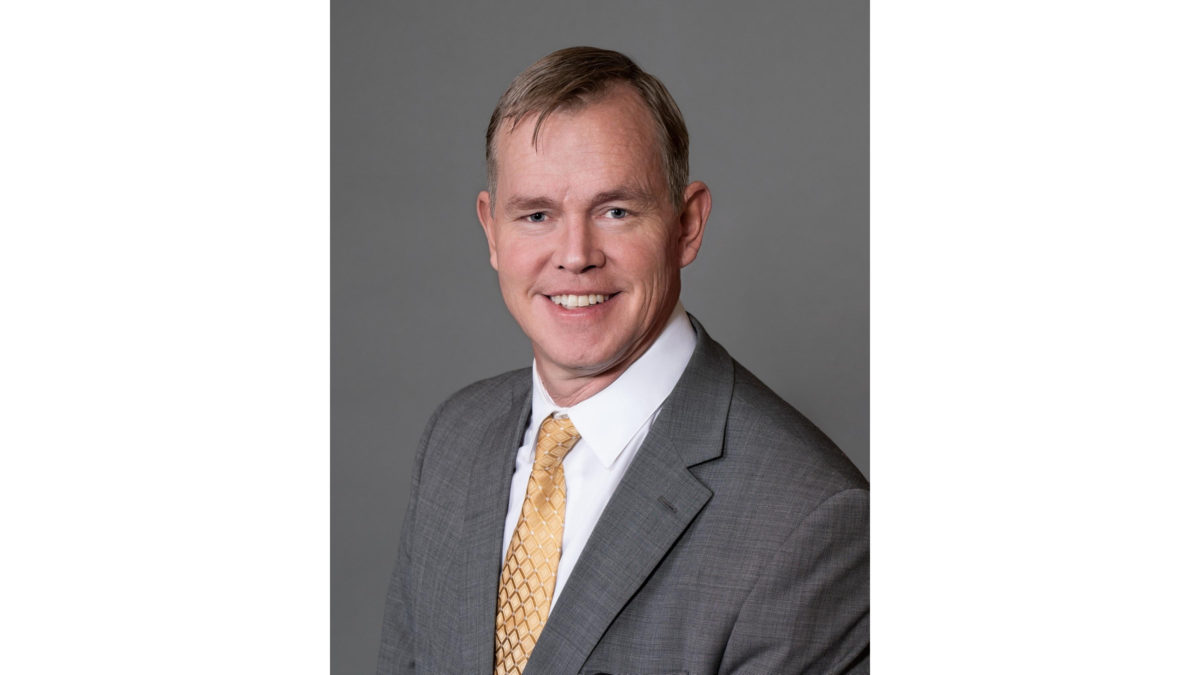
Steve Waldrip invoked the governor while criticizing Summit and Wasatch counties over Utah’s preliminary-municipality law, but no formal funding suspension has been confirmed.
PARK CITY, Utah — Gov. Spencer Cox’s senior housing adviser warned during a public meeting that county funding was at risk as he criticized Summit and Wasatch County leaders over their opposition to Utah’s preliminary-municipality law and development proposals in the Wasatch Back.
Steve Waldrip, the governor’s senior adviser for housing strategy and innovation, made the remarks during an Aug. 18 Heber City Council meeting. The city’s official agenda listed Waldrip as a presenter for an “Affordable Housing 101” discussion about state housing plans and legislation.
Near the end of the discussion, Waldrip accused Wasatch County of working with Summit County to “thwart state law relative to development.”
“So my message back from our good governor, who cares deeply about these issues, is: Your funding as a county is now at risk, meaning none,” Waldrip said. “Anything within my power, I will stop.”
Waldrip specifically mentioned B and C road funds, which help local governments pay for roads and streets. He also referred to other state funding for counties he said had “openly declared war on the state over these growth issues.”
“That funding is now suspended,” he said.
Summit County says no suspension notice received
Summit County Councilor Canice Harte told TownLift that the county’s finance officer is not aware of any formal notice from the state, any state agency or any branch of state government suspending funding for local programs.
Harte said county officials have had an initial conversation with Waldrip and plan to continue speaking with him to understand the governor’s concerns and goals better.
“We take the governor’s concerns seriously,” Harte said in a written statement. “Our intention is collaboration.”
Harte said Summit County supports affordable housing, particularly housing for the local workforce, and believes the county’s goals can work alongside the governor’s housing priorities.
“Our understanding is that concerns about preliminary municipalities aren’t limited to the Wasatch Back,” Harte said. “A number of counties and cities across the state have raised similar questions about how the tool affects local land-use authority.”
At this stage, Harte said, Summit County is focused on continuing its discussions with the state rather than interpreting Waldrip’s remarks from the Heber meeting.
KUTV reported Aug. 26 that Wasatch County leaders were scheduled to meet with the governor’s office Friday, Aug. 28. Wasatch County Manager Dustin Grabau told the television station that Waldrip’s remarks “certainly came across” as a threat.
TownLift contacted the governor’s office and the Utah Department of Transportation seeking clarification about Waldrip’s remarks, whether any funding had been suspended, and who has the authority to withhold B and C road funds. Neither office responded by the time of publication.
During his Heber presentation, Waldrip said Summit and Wasatch counties were working together to oppose Utah’s preliminary-municipality process and were attempting to recruit Morgan County to join them.
How preliminary municipalities work
The Utah Legislature created the preliminary-municipality pilot program through Senate Bill 258 in 2024. Cox signed the bill on March 21, 2024, and it took effect May 1 of that year.
The law allows landowners to seek incorporation of qualifying property as a preliminary municipality. The process, administered by the lieutenant governor’s office, includes a feasibility review, public hearing, and bond requirement.
The county legislative body does not need to approve the application. State law does, however, give counties certain responsibilities during and after the process. Those include appointing one member of the preliminary municipality’s governing board and providing services under specified conditions.
A preliminary municipality has the same authority as another Utah municipality over zoning and land-use decisions. While it remains a preliminary municipality, it cannot impose taxes or receive sales-tax or gas-tax allocations.
The lieutenant governor’s office lists Wasatch Highlands as a proposed preliminary municipality and identifies Greg Whitehead as its designated sponsor. State records include an initial feasibility request, a feasibility-study certificate and a determination from the Utah Population Committee.
Waldrip characterized the counties’ opposition to the program as an effort to obstruct state law.
“You now have Wasatch County working in concert with Summit County to thwart state law relative to development, and that’s not the right message to be sending right now,” he said.
Opposing a law or asking legislators to change it is not, by itself, the same as refusing to comply. TownLift found no evidence that either county has violated the preliminary-municipality law.
Questions remain over road funding
Waldrip’s reference to B and C road funds raises additional questions. According to UDOT, the Legislature established the Class B and C road program in 1937 to help counties and municipalities improve roads and streets. UDOT administers the money under state law and administrative rules.
The publicly available UDOT materials reviewed by TownLift do not explain whether it may withhold distributions because of a dispute over local land-use policy. It remains unclear whether funding for Summit or Wasatch County has been affected or under what conditions the state may suspend a distribution.
Although Waldrip directed his immediate warning toward Wasatch County, he repeatedly included Summit County in his criticism. It is unclear whether he intended the funding warning to apply to both counties.
For Summit County and Park City, the central questions remain whether Waldrip delivered an authorized message from Cox, whether the state has acted on the warning, and whether any transportation, infrastructure, or other funding in the Wasatch Back is under review.


2266 E Garfield Avenue
Salt Lake City, UT 84108