Summit County adopts plan to keep Three Mile Landfill open another decade

New recycling and composting initiatives aim to extend the landfill’s lifespan to 2063 and avoid an estimated $50 million in future waste disposal costs.
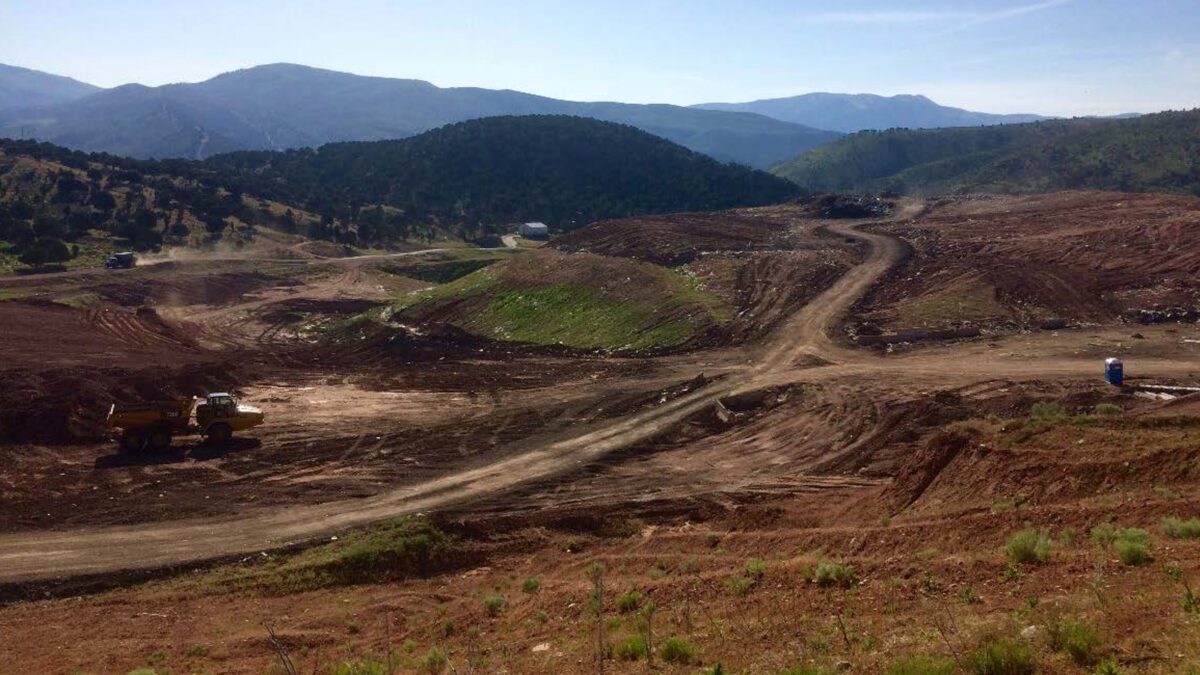
SUMMIT COUNTY, Utah — The Summit County Council unanimously adopted a solid waste action plan Wednesday to extend Three Mile Canyon Landfill’s life by 10 years and avoid an estimated $50 million in future waste transportation and disposal costs.
The plan calls for reducing the amount of waste entering the landfill by approximately one-third annually through expanded recycling, food waste collection, potential new requirements for businesses, and more efficient landfill operations.
According to the county’s staff report, Three Mile processes roughly 44,000 tons of solid waste annually and is projected to reach capacity by 2053 under current conditions. The newly adopted plan aims to extend its operational life to 2063.
Deputy County Manager Janna Young told council members the county must begin preserving landfill capacity now to avoid more expensive waste disposal options in the future. Once Three Mile reaches capacity, the county expects it will need to transport waste outside Summit County.
County data show that approximately 39% of material entering the landfill is organic waste, including food and yard waste, while paper and cardboard account for another 19%. Together, those materials make up nearly 60% of the waste stream and represent opportunities for diversion.
Expanding recycling and composting
The plan builds on recycling initiatives already underway. These include four 24-hour drop-off sites that opened this summer at the Ledges Event Center, Kamas Park and Ride, Ecker Hill Park and Ride, and Three Mile Canyon Landfill.
During Wednesday’s presentation, Solid Waste Superintendent Tim Loveday said the Ecker Hill location is experiencing significant demand, with its recycling containers being emptied three times a week. The county is preparing additional cardboard collection containers and exploring another recycling location in Henefer.
Food waste is another major focus. After the disruption of operations in Browns Canyon, local composting capacity was lost, so some collected food waste is being transported outside Summit County for processing.
The county is working with the Park City Community Foundation on a feasibility study to evaluate whether to develop a local composting or organics processing facility. The study is expected to continue into 2027. The county is also considering additional food waste collection sites and expanded residential services.
The plan also proposes exploring new recycling and waste-diversion requirements for commercial businesses, special events and short-term rentals. Those measures would require additional evaluation and council action before taking effect.
Making better use of landfill space
Beyond reducing the amount of waste entering Three Mile, the county plans to improve operations at the existing facility.
One proposed change involves replacing the traditional six-inch layer of soil used to cover landfill waste with a much thinner alternative material. Loveday told council members the method could preserve about 10% to 15% of landfill space when it can be used.
The county is also evaluating a new landfill compactor to accommodate more waste within the remaining space.
Council members supported the plan while raising questions about funding, local composting infrastructure, and making recycling easier for residents and visitors.
County staff will now establish an implementation working group to coordinate the initiatives and track progress. Although the council adopted the plan, individual projects and associated funding requests will return through future budget processes.


2266 E Garfield Avenue
Salt Lake City, UT 84108