August night sky brings near-perfect Perseids, bright Venus and deep lunar eclipse

PARK CITY, Utah — August will bring some of the year’s strongest stargazing opportunities, including a nearly moonless Perseid meteor shower, bright planetary pairings and a deep partial lunar eclipse visible from Utah.
The month’s headline event arrives Aug. 12 and 13, when the Perseid meteor shower reaches its peak.
NASA calls the Perseids the best annual meteor shower and predicts excellent viewing conditions this year because the peak coincides with a new moon, leaving little moonlight to obscure the display.
The Old Farmer’s Almanac recommends watching from Wednesday night, Aug. 12, into the predawn hours of Thursday, Aug. 13. The Almanac said the moon will set early, and the sky should be fully dark by about 10 p.m., allowing observers to see meteors without staying up until dawn.
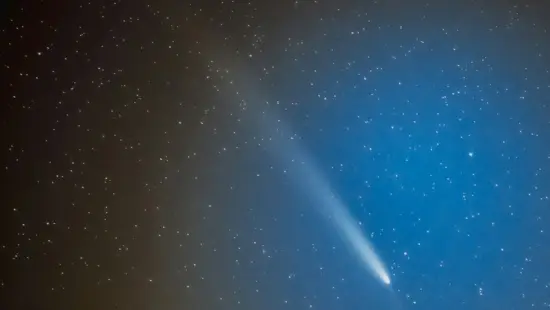
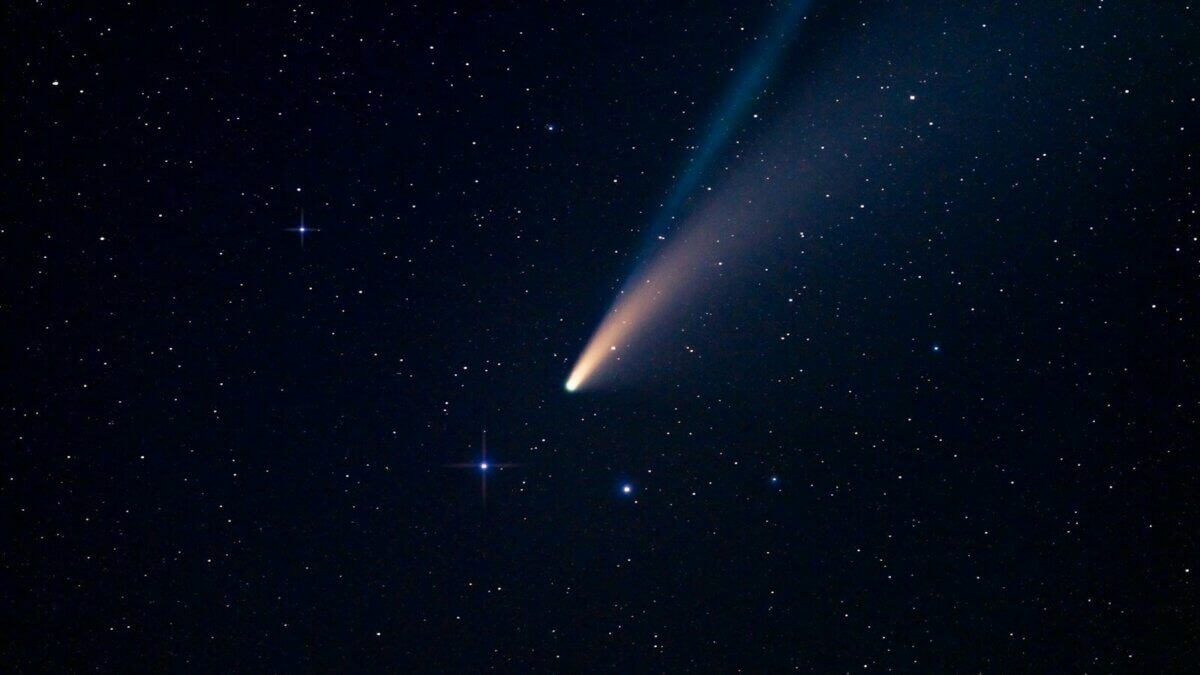
The Perseids occur each summer when Earth passes through debris left by Comet Swift-Tuttle. According to The Old Farmer’s Almanac, the particles strike Earth’s atmosphere at about 37 miles per second, heating the surrounding air and producing the bright streaks commonly called shooting stars.
Although the meteors appear to radiate from the constellation Perseus in the northeastern sky, the Almanac said they can streak across any part of the sky. No telescope or binoculars are needed.
For the best chance of seeing the shower, stargazers should find a dark location with a wide view of the sky, lie back and allow their eyes about 20 to 30 minutes to adjust. Looking at a phone or other bright light can disrupt night vision.
August will also feature several easily recognizable planets.
The Old Farmer’s Almanac said Venus will be at its brightest as an evening star during the first week of August, while Mercury will appear low in the eastern sky before sunrise. A thin crescent moon will sit below Venus on Aug. 15 and move to the planet’s left on Aug. 16.
On Aug. 20, the moon will appear close to Antares, the reddish-orange star that marks the heart of the constellation Scorpius, according to the Almanac. The moon and Saturn will share the predawn eastern sky Aug. 30.
The Summer Triangle will remain high in the evening sky throughout the month. Vega, Deneb and Altair form the broad star pattern and can be seen even from many areas affected by urban lighting.
August will also bring a solar eclipse, although Utah will not lie within the path of totality.
NASA said the Aug. 12 total solar eclipse will cross Greenland, Iceland, northern Russia, Spain and a small corner of Portugal. Parts of the northern United States and Canada will see only a partial eclipse.
NASA does not list Utah among the primary viewing areas for the partial eclipse. NASA will broadcast the event live beginning at 11:15 a.m. Mountain Time.
Anyone viewing any portion of a solar eclipse in person must use proper solar-viewing glasses or an indirect viewing method. NASA warns that it is never safe to look directly at a partially eclipsed sun without appropriate eye protection.
The month closes with one of its most dramatic nighttime sights.
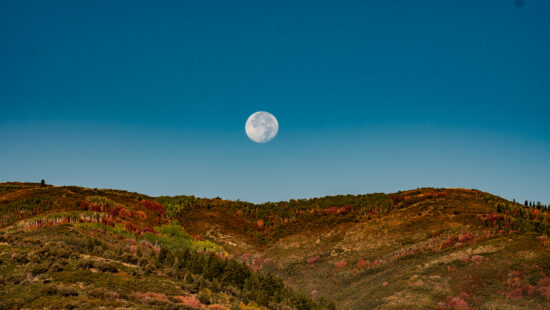
On Thursday, Aug. 27, a deep partial lunar eclipse will cover about 96% of the moon’s surface, according to The Old Farmer’s Almanac. At maximum eclipse, only a narrow bright portion of the moon will remain outside Earth’s darkest shadow.
The Almanac said the eclipse will reach its maximum at 10:12 p.m. Mountain time. The darkened portion of the moon may appear orange, copper or red as sunlight passes through Earth’s atmosphere before reaching the lunar surface.
Unlike a solar eclipse, a lunar eclipse is safe to watch without protective glasses. The Old Farmer’s Almanac said no equipment is required, although binoculars may make the moon’s changing colors and shadow more visible.
The eclipse will be visible across most of North America, though the moon will already be passing through Earth’s shadow when it rises in some western locations. Park City observers should choose a location with a clear view toward the eastern horizon.
Between the moonless Perseids and the nearly total lunar eclipse, August offers two major skywatching events that require little more than clear weather, a dark place and the willingness to look up.


2266 E Garfield Avenue
Salt Lake City, UT 84108