Heber Valley bypass faces delay as UDOT evaluates design changes

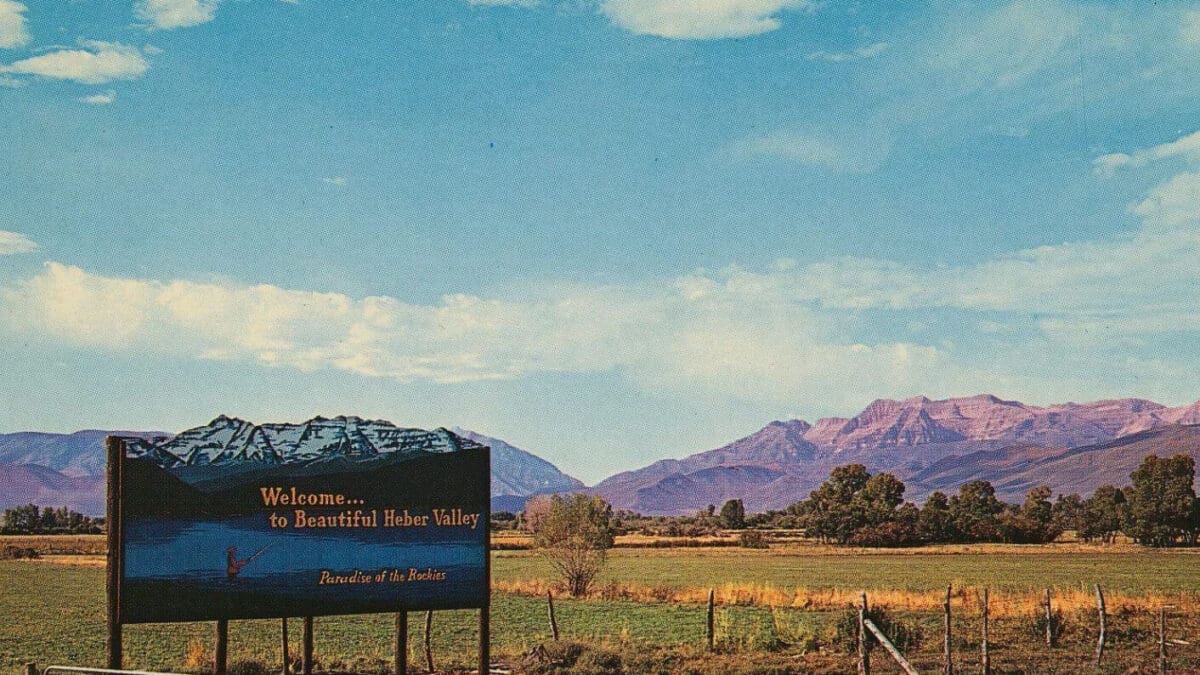
HEBER CITY, Utah — The timeline for the long-planned Heber Valley bypass has been pushed back as the Utah Department of Transportation conducts additional engineering and environmental analysis in response to local feedback on the project’s Draft Environmental Impact Statement.
In a project update released this week, UDOT said the Final Environmental Impact Statement (EIS) and Record of Decision (ROD) will be delayed while the agency evaluates potential refinements to the proposed alternatives. An updated publication schedule was not announced.
The Heber Valley Corridor EIS is studying transportation improvements along the U.S. 40 corridor between state Route 32 and U.S. 189. The project aims to improve regional and local mobility while providing opportunities for walking and biking and supporting Heber City’s vision for its historic downtown.
The additional work follows the formal public comment period on the Draft EIS, during which residents, local governments and stakeholders weighed in on the proposed alternatives with over 700 comments.
In response to the pushback on the project cutting through the North Fields, UDOT said it received additional funding from the Utah Transportation Commission to complete further technical analysis before issuing a final decision.
Among the potential design refinements now under consideration are:
- Shifting 1300 South farther south.
- Moving Alternative B farther east through the North Fields.
- Adding bicycle and pedestrian crossings through the proposed SR-113 Single-Point Urban Interchange.
The agency said it will also complete supplemental wetlands and cultural resource surveys, update traffic analysis and engineering designs for the revised alternatives, and finalize impact analyses needed to respond to public comments.
Once that work is complete, UDOT said the proposed refinements will be evaluated using the same screening criteria and methodology applied throughout the environmental review process to determine whether they should be incorporated into the Final EIS.
The update comes months after Heber City and Wasatch County officials urged UDOT to consider modifications to the preferred bypass alignment, particularly through the North Fields. During public meetings this spring, local leaders discussed shifting portions of Alternative B farther east to reduce impacts on agricultural land while maintaining the project’s transportation goals.
UDOT said it continues to review every comment submitted during the formal comment period, and responses will be included in the Final EIS. The agency previously published responses to the most common questions on the project’s website.
Even after the Final EIS is published, construction is not expected to begin immediately. UDOT noted that implementation of the selected alternative cannot move forward until the Record of Decision is issued, additional permits and authorizations are obtained, and funding is secured.
The agency said no federal, state or private funding has yet been identified to construct the project.


4251 E Lipizzan Jump
Moab, UT 84532