Summit County waives fees for Recycle Utah’s new facility

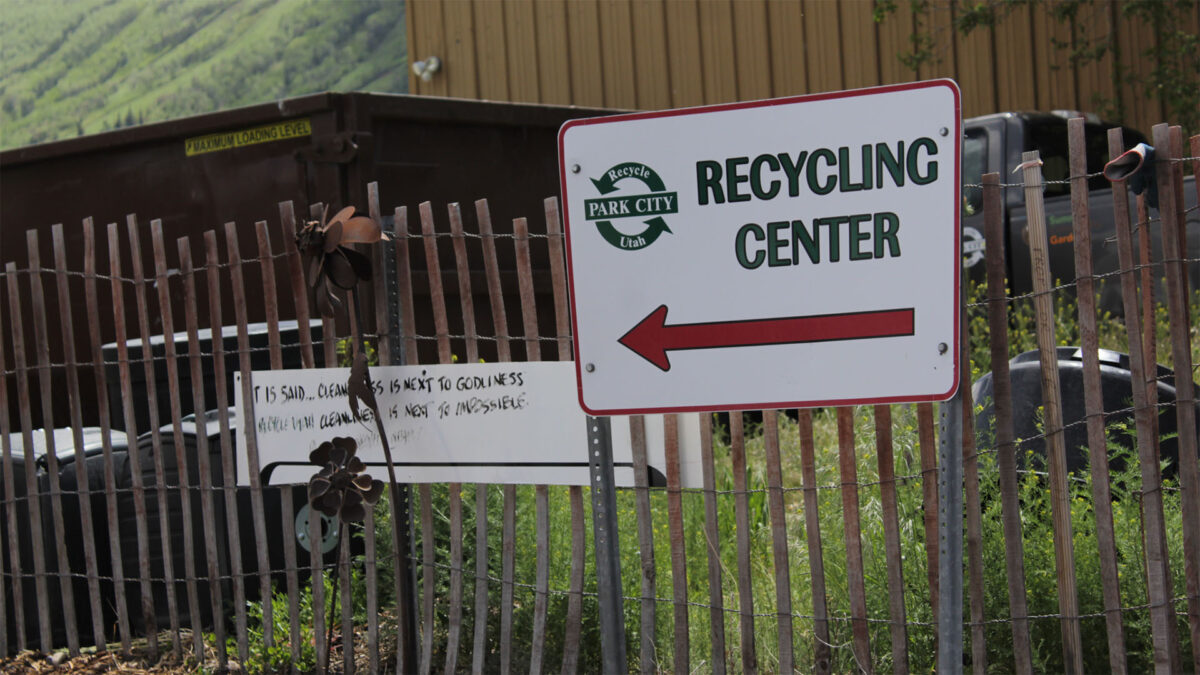
Council members unanimously approved fee relief for the nonprofit’s planned recycling and sustainability hub at the Gilmore subdivision.
SUMMIT COUNTY, Utah — The Summit County Council voted Wednesday to waive county fees and transportation impact fees for Recycle Utah’s planned new facility, giving the nonprofit a financial boost as it works to relocate from its longtime Bonanza Park home.
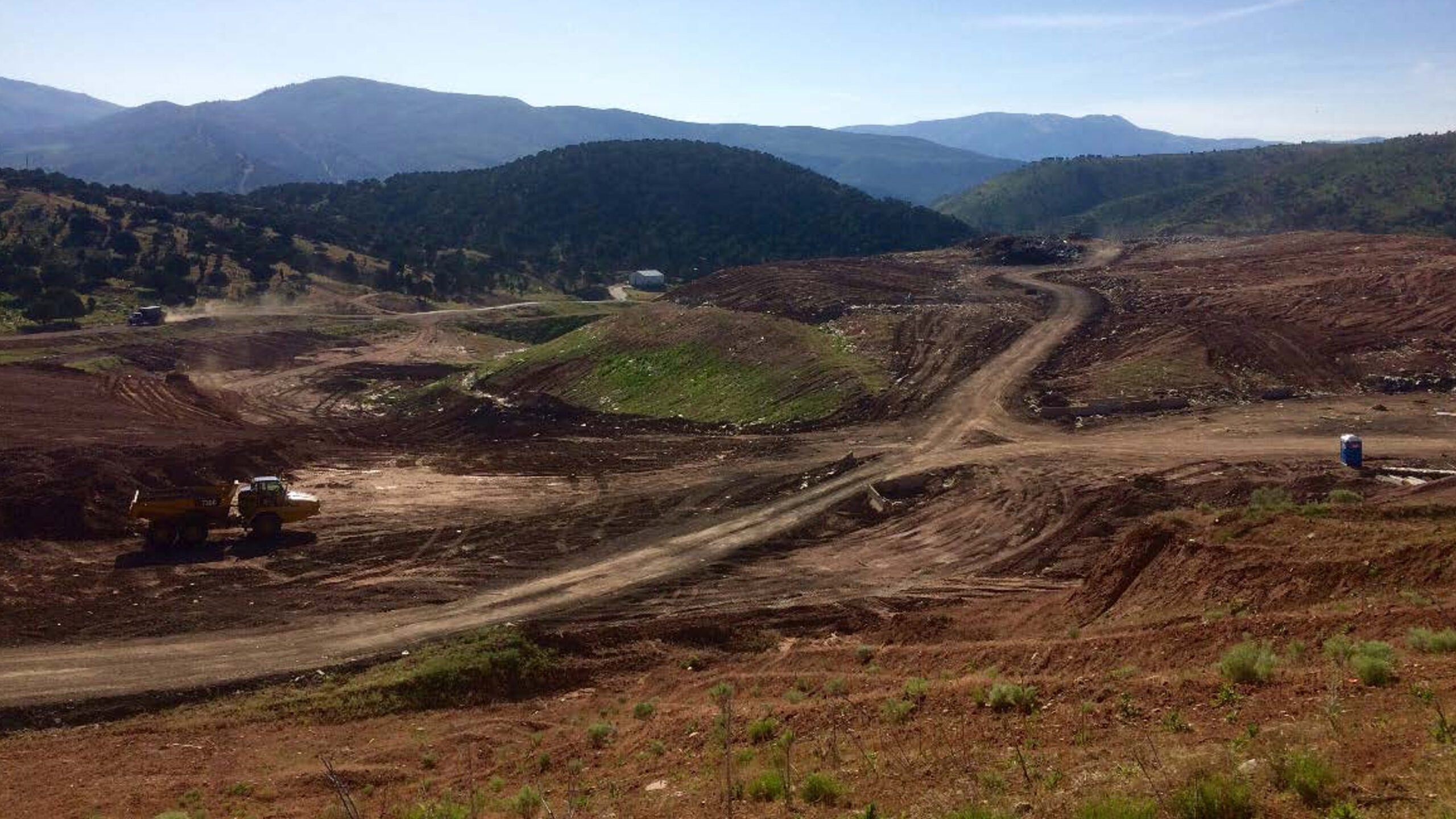
The facility is planned for Lot 4 of the Gilmore subdivision, where Recycle Utah intends to build a larger recycling and sustainability hub to replace its current site.
The vote follows months of uncertainty over the nonprofit’s future. TownLift previously reported that Recycle Utah’s drop-off center in Bonanza Park is expected to close in 2026 as part of the area’s redevelopment, leaving local officials and the nonprofit to figure out how the community will continue handling millions of pounds of recyclable material each year. Summit County and Park City officials have also been developing plans for a broader regional recycling system, including satellite drop-off locations and a central hub, while Recycle Utah’s role in that system remained unresolved.
Wednesday’s vote does not settle every question about the future of recycling in Summit County, but it moves Recycle Utah’s next facility closer to reality.
Recycle Utah has served the community for more than 35 years, operating for about 30 of those on a site smaller than half an acre, according to Neil Hafer, treasurer of the Recycle Utah Board of Directors, who spoke on behalf of Executive Director Andy Hecht.
“That site has allowed Recycle Utah to provide critical recycling and waste diversion services, but is no longer adequate for the level of public use, material volume, traffic flow, safety, education, and community programming that Summit County now needs,” Hafer told the council.
The new facility would support public recycling drop-off, material consolidation, special-handling materials, education and outreach, business recycling support, reuse opportunities, and improved site circulation.
“This is not a fundraising project or a private development project,” Hafer said. “It is a public-serving infrastructure that supports Summit County residents, businesses, municipalities, and visitors.”
Recycle Utah asked the council to waive eligible county fees associated with the new facility’s development, including planning, review, building, engineering, public works, temporary use, and administrative fees where allowed under the county’s fee-waiver policy. The nonprofit also requested a waiver or reduction of the county’s transportation impact fee.
The requests were considered separately because impact fees are treated differently from other county fees. County staff noted that Summit County’s transportation impact fee is the only impact fee under the council’s authority, though other districts may impose their own.
County Manager Shayne Scott said Recycle Utah is an important partner that supports the county’s waste-diversion goals. But staff expressed concern about waiving the transportation impact fee, since those funds are tied to capital transportation needs.
Recycle Utah countered that the facility should not be treated like a traditional commercial development because it is relocating and improving an existing public service rather than generating new commercial traffic.
“The primary use is public recycling drop-off and material handling,” Hafer said. “The traffic-use patterns are tied to a public service that already exists in the community and is being relocated and improved.”
Hafer said Recycle Utah currently diverts about 1,700 tons of material per year. Over 20 years, maintaining that level of service would keep more than 34,000 tons out of the waste stream; over 30 years, more than 51,000 tons. He said planning for the new facility has examined a future diversion capacity of 8,000 to 16,000 tons per year as equipment, staffing, commercial recycling, food waste diversion, and hard-to-recycle programs mature.
Recycle Utah also noted that the county has already supported the project by securing Lot 4 and funding more than $1.2 million in property improvements.
Council members were broadly supportive but weighed whether waiving the fees would shift costs back to the county.
Councilor Tonja Hanson said Recycle Utah clearly benefits county residents and helps preserve landfill space, but noted that the fees cover real costs.
“It’s not just free money for the county,” Hanson said.
She said the non-impact fees totaled about $48,145, while the lowest transportation impact fee figure discussed was $29,789 — a combined total of about $77,934.
“Yes, the county could probably absorb that, but I also think we need to be very careful and help offset some of our expenses, because that’s taxpayer money too,” Hanson said.
Other council members said the public benefit justified the waiver.
Councilor Chris Robinson said Recycle Utah would need every available dollar to make the move.
“This is a rock,” Robinson said, referring to the new site. “These guys are going to need every nickel they get to move this facility.”
Robinson said he supported waiving both sets of fees. “I’m in favor of waiving the whole enchilada,” he said.
Councilor Megan McKenna said she initially wanted to understand whether the fee waiver would affect individual departments, but concluded that Recycle Utah’s connection to county solid waste services made the case.
“We have a lot of nonprofits in this community that do a lot of great services,” McKenna said. “But with this one being solid waste and one of the services that we provide in the community and helping to offset that, I think in this case it makes the case for a fee waiver.”
The council first voted unanimously to waive eligible county fees for Park City Conservation Association Inc., doing business as Recycle Utah, for development of the new facility on Lot 4 of the Gilmore subdivision. Members then voted unanimously to waive the transportation impact fee.
“Just know that we really support everything Recycle Utah is doing,” Council Chair Canice Harte said after the vote. “We love the organization.”
For Recycle Utah, Wednesday’s decision is one step in a larger transition. The nonprofit still must raise money, complete design and permitting, and vacate the small Bonanza Park site it has long called home. But the fee waivers free up dollars that can now go directly into the facility itself.


4251 E Lipizzan Jump
Moab, UT 84532