Park City Mountain lift approvals appealed as residents challenge missing capacity data

PARK CITY, Utah — A group of Park City residents has appealed the Planning Commission’s approval of lift upgrades at Park City Mountain, arguing commissioners lacked the information necessary to evaluate whether the projects comply with the resort’s governing development agreements.
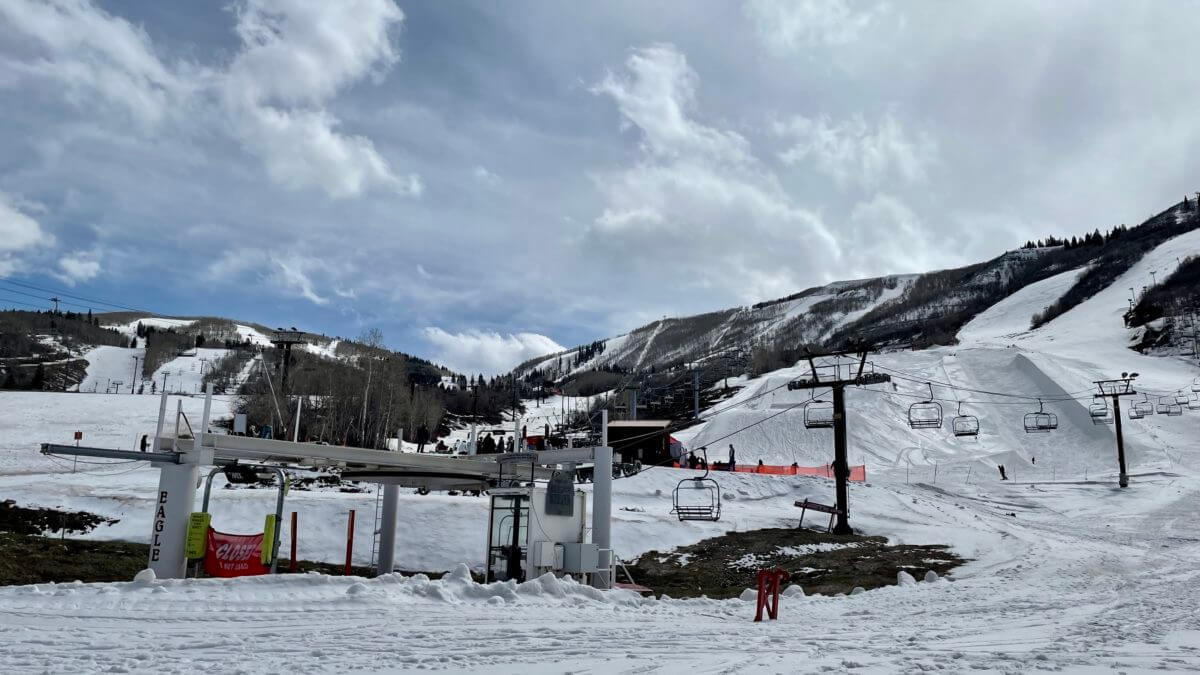
The appeal, filed Monday with the city’s recorder, seeks to overturn conditional use permits approved May 27 for replacement of the Eagle and Silverlode lifts.
Rather than challenging the lift replacements themselves, the appeal focuses on what residents describe as a fundamental gap in the city’s review: the absence of updated Comfortable Carrying Capacity, or CCC, calculations that must comply with overall resort capacity and measure how individual lift capacities affect skier circulation, trail congestion, parking, traffic and other resort systems.
The appeal argues the Planning Commission gave approval for the lifts without ever confirming underlying data and compliance with capacity limits. They also argue that without first measuring the impacts, the city cannot determine whether proposed solutions for parking, safety or other concerns are adequate.
Alan Theis, one of six residents opposing the Planning Commission’s decision said anyone who has skied Park City as long or as often as they have knows resort overcrowding has become the number one problem.
“We are all for upgraded infrastructure, but there’s a difference between band-aids for optics and the kind of investment and management that would restore Park City Mountain to its former quality of operation. Park City Municipal has the rules and court precedent to force Vail Resorts to comply,” Theis said.
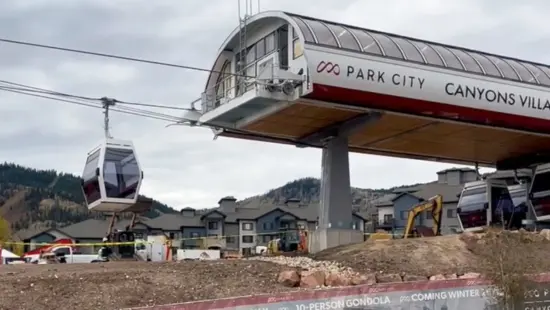
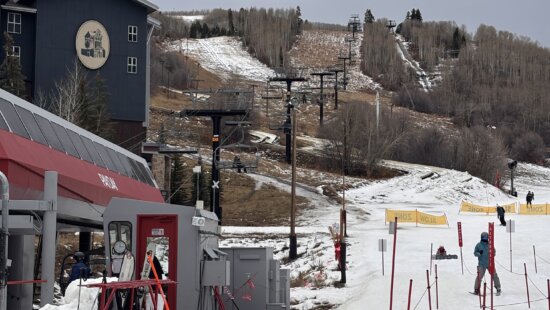
The approved Eagle lift replacement will increase hourly capacity by 1,000 skiers per hour, a 55% increase over the existing lift and a 15.56% increase in overall morning uphill capacity from the Mountain Village base area, according to the commission’s findings. The Silverlode replacement will increase capacity by 20%, from 3,000 to 3,600 passengers per hour.
The appeal follows a years-long dispute over how Park City Mountain’s 1998 Development Agreement and incorporated Mountain Upgrade Plan should be applied when lift capacity increases.
Those documents say CCC is “the single most important planning criterion for the resort” and establish a framework to balance lift capacity with downhill terrain, parking, skier services and transportation infrastructure.
During the May 27 hearing, Planning Commissioner John Frontero repeatedly questioned whether commissioners had enough information to evaluate potential impacts from the increased capacity.
“I just haven’t seen a capacity analysis,” Frontero said before the vote.
Resort representatives acknowledged that no new CCC study had been prepared for the 2026 applications. Instead, they referenced analyses developed during earlier proceedings involving similar lift proposals.
City Attorney, Mark Harrington declined to comment further on the appeal saying the City won’t comment on questions related to the substance of the appeal or issues that may be considered as part of that proceeding.
For his part, Mayor Ryan Dickey stands behind the Planning Commission’s decision.
“These upgrades are important investments in Park City’s future, and I’m hopeful for a timely resolution that upholds the commission’s decision and allows these improvements to move forward,” Dickey said.
During the hearing city staff and resort representatives argued updated CCC calculations were not required under the standards governing the current conditional use permit applications.
Opponents disagreed.
The newly filed appeal argues that because no updated CCC calculations were submitted, commissioners lacked the ability to independently verify claims that the lift upgrades would not increase visitation, worsen parking conditions or create additional skier congestion.
The petition points to previous litigation involving the same lift projects, during which the Planning Commission, district court and Utah Court of Appeals all wrestled with questions surrounding CCC analysis.
In a 2025 ruling, the Utah Court of Appeals wrote that “without clear CCC calculations, it is impossible to know whether the potential parking impact would increase by 2.5% or by something significantly greater.”
Residents, including Theis, lawyer Frode Jensen and Catherine Jensen of Park City, along with Marvin Kabatznick, Andrea Griffis and Allan Inglis of Snyderville Basin, argue the same problem exists in the current approvals.
According to the filing, Planning Commission findings conclude that parking impacts can be mitigated and that the projects will improve skier circulation and safety. However, residents argue those conclusions were reached without the underlying calculations necessary to test those assumptions.
The appeal specifically challenges testimony during the review process that CCC information had effectively already been provided through previous proceedings.
Residents argue that while conclusions from earlier studies were discussed, neither updated calculations nor the methodology necessary for independent review were submitted as part of the 2026 applications.
The issue has been contentious for years. During prior litigation, Vail Resorts argued portions of its CCC analysis were proprietary. Critics countered that if capacity calculations are being relied upon to support land-use approvals, the methodology and data must be available for public review and independent verification.
Former Planning Commission Chair Laura Suesser raised similar concerns before the May vote, arguing that the city previously denied substantially similar applications because of unresolved CCC issues.
“It makes absolutely no sense” to approve projects that increase lift capacity without updated capacity analysis, Suesser wrote in comments submitted to the commission.
The appeal now moves to a City land use hearing officer, appointed to determine whether the Planning Commission’s approvals complied with city land-use regulations and the resort’s governing development agreements.


4251 E Lipizzan Jump
Moab, UT 84532