Epic Pass sales drop 10% for next season following ‘one of the most challenging winters in history’

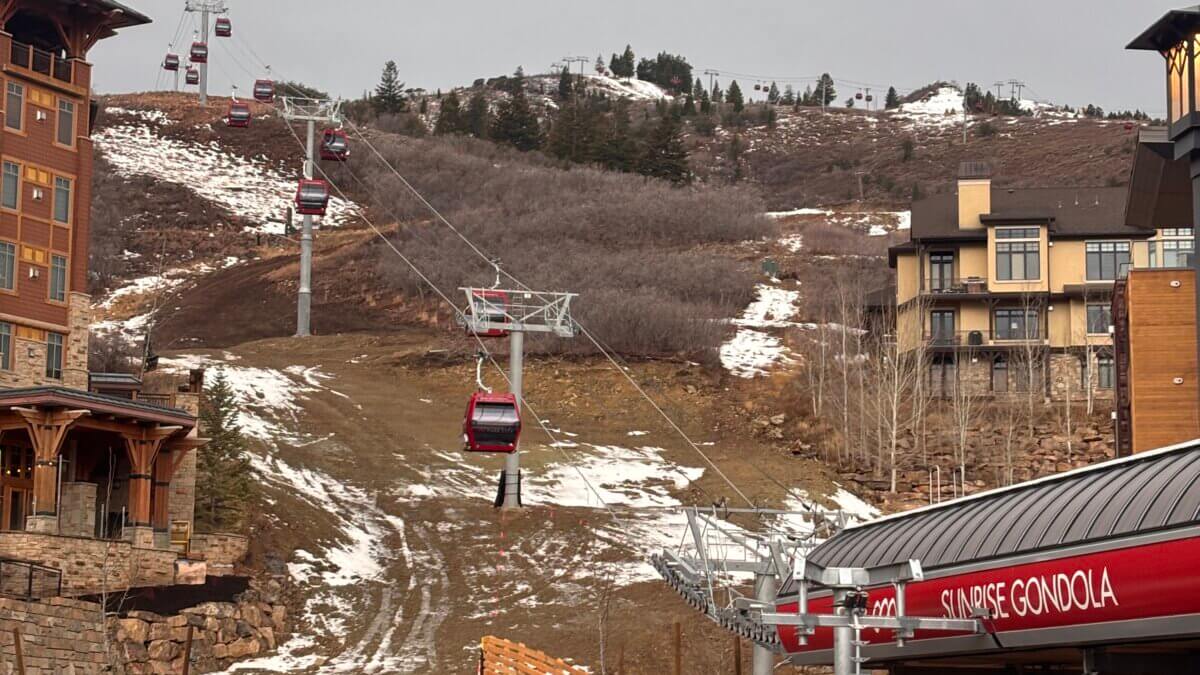
BROOMFIELD, Colo. — Vail Resorts Inc. (NYSE: MTN), the parent company of Park City Mountain, reported a steep drop in early sales for next season’s Epic Pass on Monday, capping what CEO Rob Katz called “one of the most challenging winters in history” across the western U.S.
Through May 26, pass units sold for the 2026-27 season were down about 10%, days sold down about 8%, and sales dollars down about 5% compared with the same period last year. Utah was among the weather-impacted markets cited with record low snow pack throughout the season. Because pass revenue is collected in advance, a weak selling season lowers committed revenue before the next winter begins.
A full adult Epic Pass for 2026-27 started at $1,089, up about 3.6% from the prior year, with a new Young Adult tier for skiers ages 13 to 30 priced at $869.
Katz attributed the slow start to timing rather than lost demand, saying poor conditions have historically delayed purchases rather than eliminated them, and that visitation typically recovers fully after a bad season if the following winter is normal.
The pass figures came alongside the company’s third-quarter results. Skier visits across Vail’s network fell 15.5% in the three months ended April 30, and net income dropped to $314.4 million from $389.7 million a year earlier. Resort net revenue fell 7% to $1.21 billion. The declines were concentrated at destination resorts in the Rockies and Lake Tahoe.
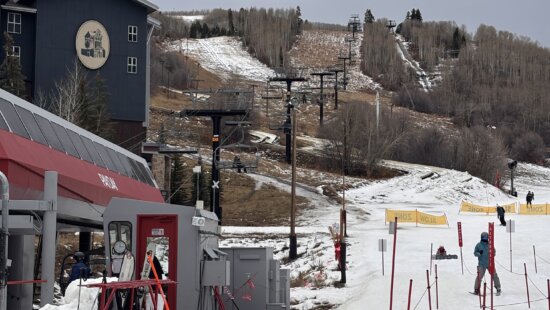
The results confirm a slide TownLift reported in April, when season-to-date skier visits were down 14.9% and Park City Mountain closed early, on April 5. The Rockies, where Park City sits, saw visitation fall 25%, steeper than the company-wide drop.
Winter tourism anchors the regional economy. The Park City Chamber has pegged Summit County’s ski industry at more than $1.3 billion a year, with many businesses earning 60% to 75% of annual revenue in winter, and transient room tax collections finished 2025 down 9%.
Vail’s advance-commitment model limited this year’s revenue loss: visits fell 15% but lift revenue declined only 5.3%, because pass holders had already paid. The company cut its full-year outlook for the second straight quarter, now expecting net income of $128 million to $162 million. The board declared a quarterly dividend of $2.22 per share, payable July 9.
The company will report fourth-quarter results and a fuller read on pass sales in September.


2266 E Garfield Avenue
Salt Lake City, UT 84108