Vail Resorts reports 25% Rocky Mountain visitor decline among most challenging winters in history


Shares fall to $119, hitting a 12-month low after weak season metrics report
PARK CITY, Utah – Vail Resorts Inc. (MTN) reported steep declines across key business lines for the 2025–26 ski season, citing one of the weakest winters on record in the western United States as low snowfall and warm temperatures cut into visitation and spending.
CEO Rob Katz attributed the downturn to “one of the most challenging winters in history,” pointing to persistently low snow conditions and unseasonably warm temperatures, particularly in the Rockies, where visitation declined 25%.
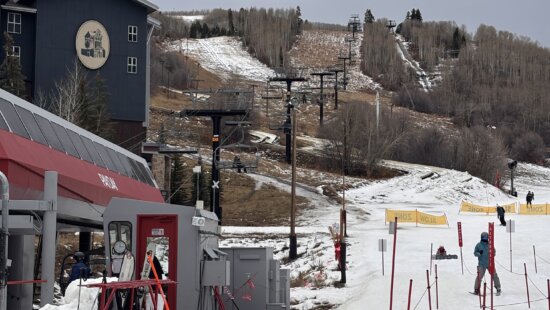
The company said the weak conditions led to reduced late-season demand and earlier-than-expected closures at several resorts, including Park City Mountain which stopped turning lifts on April 5. Vail now expects earnings for fiscal 2026 to land at the low end of previously issued guidance.
Through April 19, total skier visits across the company’s North American resorts were down 14.9% compared to the same period last year. Lift revenue fell 5.6%, while ski school revenue dropped 12% and dining revenue declined 11.7%. Retail and rental revenue also decreased, falling 6.6%.
Investors reacted swiftly. Shares of Vail Resorts fell about 5% Thursday, and on Friday hit a new 12-month low of $119. According to Yahoo Finance, share value has dropped by 21% in the last 6 months.

The company also reported early softness in pass sales for the 2026–27 season, with a moderate decline in units sold and a slight drop in revenue so far. Executives cautioned it is still early in the sales cycle.
“It is early in the selling period, with our first pricing deadline in May, and we will provide a more comprehensive update on pass sales trends when we report third quarter results in June 2026,” Katz said.
The company-wide downturn is likely more pronounced at specific resorts that saw especially poor snow conditions. Park City Mountain — one of Vail’s flagship destinations — experienced a below-average season, suggesting local impacts could exceed the broader company averages.
That could carry ripple effects beyond the resort itself. Lower visitation at Park City Mountain can translate to reduced business for Park City merchants, lower sales tax collections and fewer seasonal jobs in a community heavily tied to winter tourism.
In January, Chamber President and CEO Jennifer Wesselhoff described the outlook for 2025 and 2026 as uncertain and said forecasting remains difficult amid mixed economic signals.
In a review of tourism-related tax collections tracked through December, the Chamber reported transient room tax collections finished 2025 down 9%.
Wesselhof emphasized the winter season’s outsized influence on local businesses and cited a Chamber research study conducted with Ski Utah. The ski industry totals about $2.5 billion statewide, with Summit County accounting for more than $1.3 billion, and that many businesses report earning 60% to 75% of annual revenue during winter.