2026 Candidate Profile: John Kucera on growth, traffic, and what District 4 needs from its first direct representative
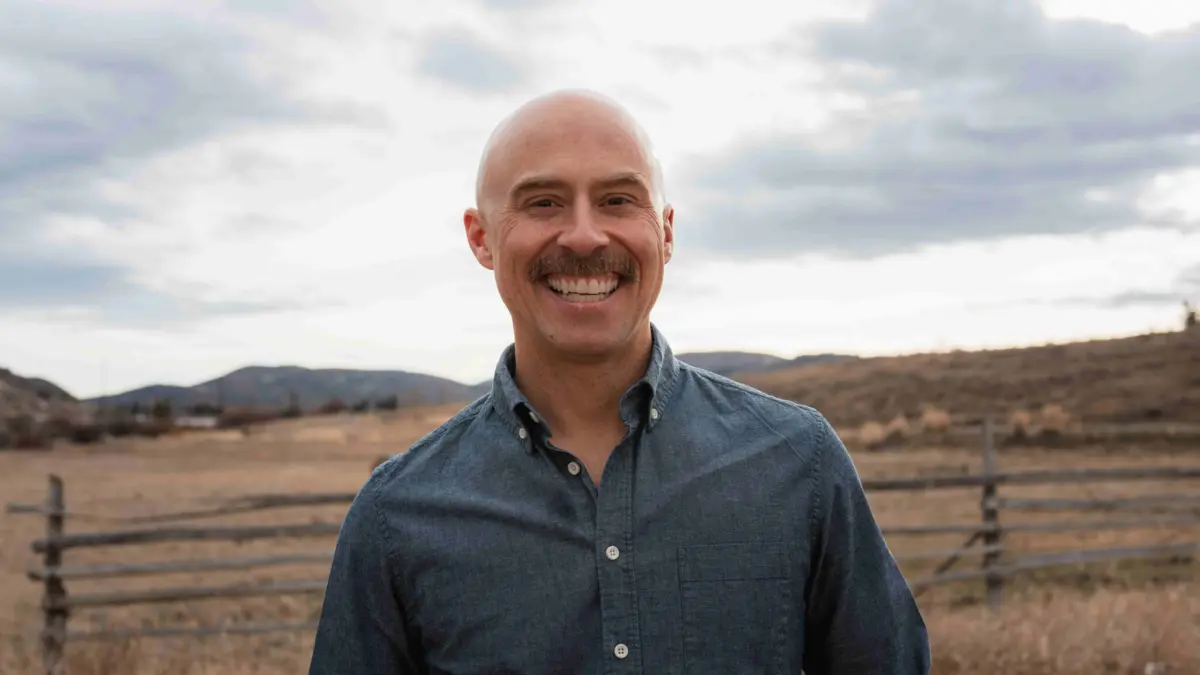
SUMMIT COUNTY, Utah — John Kucera is running for the Summit County Council District 4 seat with a résumé built on six years of land use decisions and 25 years of financial analysis — a combination he says the county needs as it navigates some of the most consequential growth choices in its history.
Kucera, a Silver Springs resident and former chair of the Snyderville Basin Planning Commission, recently spoke with TownLift about his candidacy, which marks the first election cycle under Summit County’s new district-based council structure.
“I’m running because I absolutely love where we live,” Kucera said. “It’s a unique and special place — unlike any other in Utah — and it’s absolutely worth fighting for.”
A record on growth
Kucera points to his tenure on the planning commission as the clearest evidence of where he stands on development. He voted against the Dakota Pacific and Highland Flats projects, decisions he says reflect a principled opposition to what he calls “transformational growth” — development of such scale that it fundamentally alters the character of a place.
“I fundamentally oppose this idea of transformational growth,” he said, “where you don’t really recognize where you started.”
But Kucera doesn’t frame his position as simply anti-development. He acknowledges that millions of square feet of already-entitled density exist throughout the basin — projects that require no further county approval to build.
“They could build on it tomorrow,” he said. “They don’t need to come to anyone.”
That reality, he argues, shifts the council’s role. Rather than blocking new entitlements outright, he sees an opportunity to guide already-approved projects toward uses that serve community needs — pointing to the Junction Commons outlet area as an example of where redevelopment could address local priorities rather than simply add commercial density.
“We’re not entitling anything new — we’re changing the use for addressing community needs,” he said. “Those are the kinds of things where there’s opportunity to say yes.”
He also identified updating the county’s General Plan as a priority, noting it hasn’t been revised in over 11 years. “We need to be very clear about where we want to be in 10, 20, 30 years,” he said.
Kimball Junction: build better, not bigger
District 4 encompasses Kimball Junction, the basin’s most commercially dense corridor and one of its most contested. Kucera said he views the Kimball Junction Master Plan — developed through a blue ribbon community committee — as a reasonable framework, and supports its core direction: protect green space, and focus redevelopment on areas that are already paved and built.
“Let’s keep the green space green,” he said, “and let’s redevelop where we have asphalt parking lots and already-built space — make that better connected with trails, better uses that address our community needs.”
He said he does not want to see Kimball Junction urbanize along the lines of communities that have pursued density-driven growth strategies. “We can’t build our way out of those problems,” he said.
Transit: follow the money
On transportation, Kucera said his immediate focus would be accountability for the $92 million bus bond voters have already approved.
“We’re spending a lot of money,” he said. “My number one focus is to ensure that’s getting implemented well — is this money being spent well? Is it working? Are we achieving the objectives that were set?”
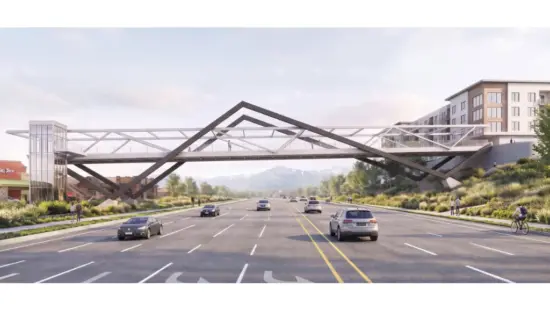
He said he has met with High Valley Transit leadership to begin that conversation. Longer term, he supports revisiting a separated interchange at Kimball Junction — a concept that would divert through-traffic headed to Interstate 80 away from local Kimball Junction traffic — calling it worth renewed investment given the Olympics on the horizon.
Finance as a public trust
Kucera spent more than two decades in investment and financial analysis, including work in debt and equity markets in New York, before returning to Utah to manage a small real estate investment partnership. He said he sees that background as something the council currently lacks — particularly as it manages an annual budget approaching $100 million.
“I think some of the skills that are leaving with Chris Robinson,” he said, referring to the departing councilmember. “I’d bring a unique skill set — financial analysis, critical thinking, budgeting, and financial stewardship.”
He was careful to frame the role in terms of accountability rather than austerity. “It’s not just about continuously raising taxes and providing services and doing everything for everyone,” he said. “I think we can find efficiencies.”
The district-based difference
This is the first Summit County Council election held under the new district-based system, a change Kucera sees as meaningful. District 4, he said, is “the epicenter of many of these growth challenges” — and having a resident with deep ties to the area serving as its direct representative matters.
“I’ve lived here for over a decade in this district,” he said. “I ski at the Canyons, my kids race at the Utah Olympic Park, and I shop at Kimball Junction. I have a deep understanding of the issues within the district.”
He acknowledged the tension inherent in district representation — balancing local interests against countywide decisions — and said he would aim for outcomes that benefit both.
What voters might not know
One misconception, Kucera said, he has heard is that, because he manages real estate investments, he may be aligned with development interests. He pushed back firmly.
“We invest in small buildings and rent them to small businesses,” he said. “We own two properties in all of Summit County. That side is very small. I’m not a developer.”
He said his candidacy is straightforward: a planning background directly relevant to the land use decisions ahead, financial experience applicable to budget oversight, and a long-term commitment to a community he has called home for more than a decade.
Editor’s note: This story is part of TownLift’s 2026 election coverage. TownLift is interviewing candidates across local races to help voters better understand the people seeking public office, their priorities, and their approach to governing ahead of the June primary election.


2266 E Garfield Avenue
Salt Lake City, UT 84108