UDOT advances bus-focused solution for Big Cottonwood Canyon winter traffic

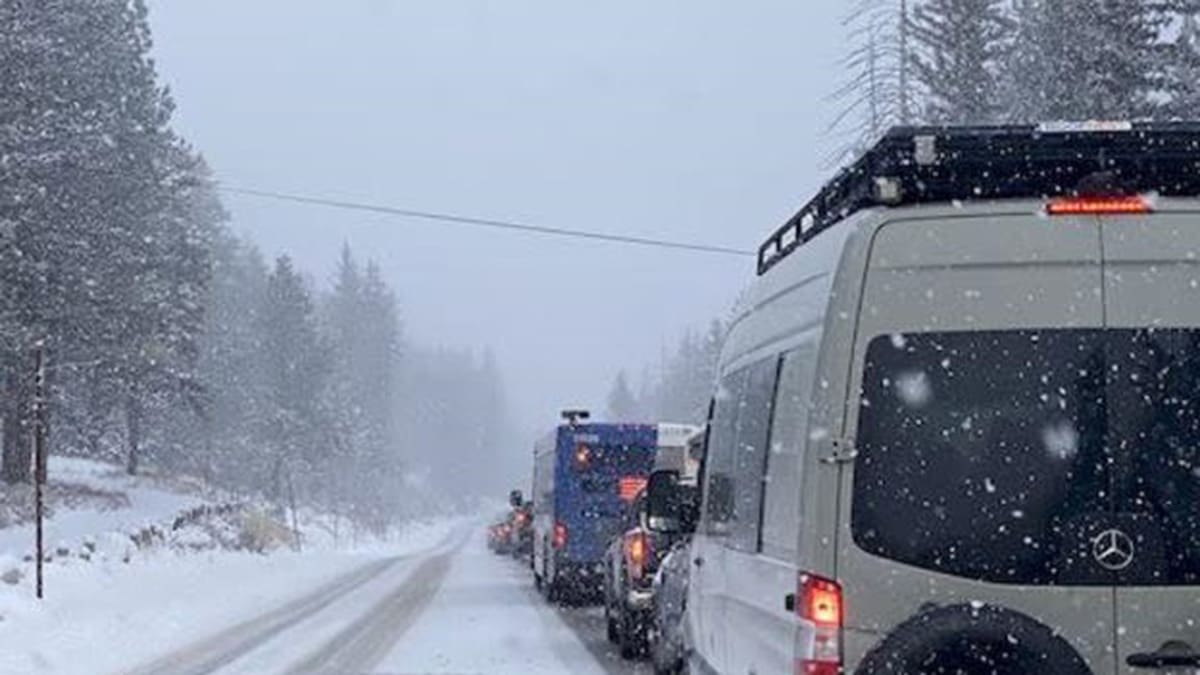
SALT LAKE CITY, Utah — Winter traffic in Big Cottonwood Canyon has become an increasingly complex challenge for the Utah Department of Transportation, which is searching for solutions not only for today’s congestion but also for the anticipated influx of visitors accompanying the 2034 Winter Olympics.
Last week, UDOT issued its decision on the Big Cottonwood Canyon Environmental Assessment, a study that began in 2025. The decision clears the way for the agency to move into final design, right-of-way acquisition, and construction of transportation improvements intended to ease winter traffic on State Route 190.
The proposed improvements focus on reducing congestion by increasing transit service, improving bus access, and incentivizing more visitors to ride transit instead of driving personal vehicles into the canyon.
“We’ve all experienced winter traffic backing up in Big Cottonwood Canyon,” said Devin Weder, UDOT’s Cottonwood Canyons transit program manager. “These improvements are designed to give people another reliable option to reach the canyon without sitting in hours of traffic.”
The plans are anchored by a new mobility hub near the mouth of Big Cottonwood Canyon, which was approved in December 2025 as part of broader transit improvements connected to Little Cottonwood Canyon.
From the hub, UDOT plans to run buses every 10 to 15 minutes initially, with service increasing to every seven minutes to each resort by 2050. The current service offers 30-minute frequency from a route that runs between Fort Union Station in Midvale and Brighton. The study projects that bus travel times will improve from the nearly 36 minutes its takes now to approximately 25 minutes by 2050, should every element be included.
A new 1,750-stall parking structure will allow drivers to park near the canyon entrance before boarding buses. The project also includes indoor bus stops at Solitude Mountain Resort and Brighton Resort, along with upgraded pedestrian crossings, platforms and safety improvements at existing stops throughout the canyon.
UDOT also plans to construct a dedicated bus-only transitway at the mobility hub and a bus-priority lane at the Brighton Loop to help buses bypass traffic backups.
The department is also exploring a variable-priced toll system designed to reduce congestion and improve bus efficiency by encouraging transit use and carpooling. Potential exemptions for canyon residents and employees were previously outlined during the environmental review process.
UDOT anticipates the improvements could begin as early as the 2028 winter season. The project’s total estimated cost is $264.5 million, though $114 million has already been allocated through transportation improvements tied to Little Cottonwood Canyon.
The Big Cottonwood Canyon transit plan arrives as debate continues over UDOT’s controversial proposed gondola project in neighboring Little Cottonwood Canyon. In 2023, UDOT selected “Gondola Alternative B” as its preferred long-term solution for Little Cottonwood Canyon traffic after years of environmental review and public debate.
The proposed Little Cottonwood gondola would connect a mobility hub near the canyon mouth to Snowbird and Alta Ski Area. Supporters argue the gondola would provide reliable transportation during avalanche closures and severe traffic days, while critics have questioned its cost, environmental impacts and whether expanded bus service alone could address canyon congestion more affordably.
Unlike Little Cottonwood Canyon, UDOT’s Big Cottonwood Canyon study focused on enhanced bus service and tolling rather than a gondola system. Agency officials have previously said Big Cottonwood Canyon’s terrain and roadway constraints make a gondola less practical there.
“This is about making canyon travel more predictable and less stressful,” Weder said. “More frequent buses, better access and improved traffic management will help people spend less time waiting in traffic and more time enjoying the mountains.”


4251 E Lipizzan Jump
Moab, UT 84532