Summit County votes to join new clean energy program, Park City decision forthcoming

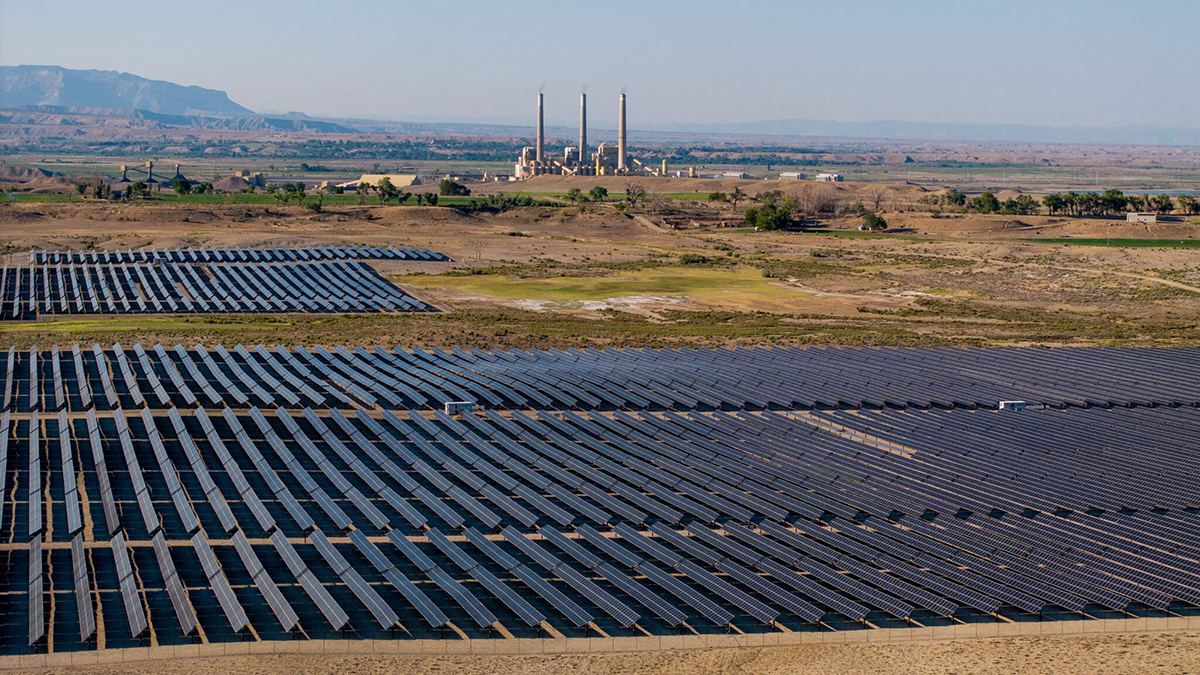
At about $4 per month, the program asks residents to make a small investment in the state's energy future. That money would go toward building new renewable energy projects — something supporters say wouldn’t happen at the same scale otherwise.
SUMMIT COUNTY, Utah — Summit County officials voted 5-0 last week to adopt a regional clean energy program that would add a $4 monthly charge to resident utility bills in exchange for building new renewable energy across Utah.
The unanimous vote makes Summit County an official participating community in the Utah Renewable Communities program, now called the Community Clean Energy Program. With the passage, all residents and businesses in unincorporated areas of the county will be automatically enrolled in the program.
Park City, Oakley, Francis, and Coalville are expected to consider the same ordinance in upcoming city council meetings.
In total, 19 communities are considering adoption of the ordinance, representing roughly a quarter of Rocky Mountain Power’s Utah customers. Organizers hope this will give the program enough scale to influence how new energy is built.
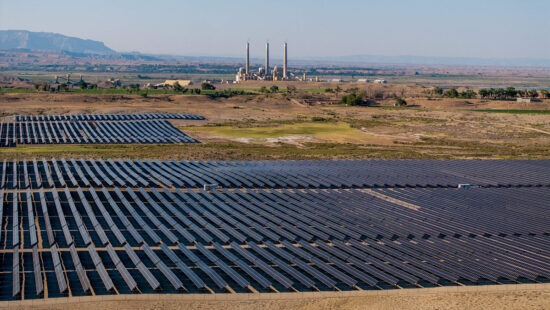
Funds raised from the program support the development of large-scale renewable energy projects — like solar farms, wind installations, and battery storage — connected to the regional power grid.
How the program works
The program stems from a 2019 state law that allows Utah communities served by Rocky Mountain Power to pool demand for clean energy and work directly with the utility to bring new projects online.
Luke Cartin, Park City’s director of lands and sustainability explained the program serves to “find a way to work together between the utility and the city to help the city realize ambitious renewable goals.” Park City Municipal sees this as a step toward its goal to run on 100% renewable electricity for the whole community by 2030.
Participating communities must pass local ordinances by June 2 to remain in the program, following a March approval from the Utah Public Service Commission. If they do, customers will be enrolled automatically but can choose to opt out.
The opt-out structure is intentional, Cartin said, because it allows the program to operate at a scale large enough to make new energy projects financially viable.
What “100% renewable” means
While the program is often described as aiming for “net 100%” clean energy, that doesn’t mean every home will be powered by renewables at every moment. “Net-100% renewable electricity means that the program’s electricity usage is balanced by renewable energy generated through Rocky Mountain Power’s system on a yearly basis,” reads the Utah Community Clean Energy Program website.
The goal is to build enough new clean energy each year to match the total electricity used by participating customers.
“If you take all the electricity used in a year by homes and businesses that participate in the program, we want to see the equivalent amount of clean energy on the grid,” said Emily Quinton, sustainability director for Summit County.
What the $4 pays for
The initial $4 monthly charge is designed to cover both startup costs for the program and long-term investments in renewable energy projects.
That includes funding large-scale renewable projects and building a financial reserve to keep rates stable over time.
According to the Public Service Commission’s approval, the initial cost is expected to decrease after the first few years once the program is established.
Income-qualified households would see no net increase in their bills, as the charge would be offset by a credit.
A different approach to clean energy
Supporters say the program stands out from existing options because it directly funds new energy development, rather than purchasing credits or relying on voluntary participation.
“This is actually putting new power on the grid,” said Joan Entwistle, a local climate advocate who has followed the program for several years. “That’s the key difference.”
Other programs available to Rocky Mountain Power customers — like Blue Sky or subscriber solar — either fund renewable energy credits or have limited capacity, according to Summit County officials.
The new program, by contrast, is designed to work at scale and be accessible to nearly all customers, including renters who may not be able to install rooftop solar.
Tension with utility planning
The program also comes at a time of uncertainty around the utility’s long-term energy plans.
Rocky Mountain Power’s parent company, PacifiCorp, recently released a new resource plan that signals less investment in new renewable energy projects than previously anticipated.
“Changes in this update are largely driven by the July 4, 2025, repeal of major portions of the Inflation Reduction Act,” the company told Wyofile. “The repeal was enacted through the (‘One Big, Beautiful Bill Act’), which, significantly, phases out or eliminates highly impactful tax benefits, primarily for renewable solar and wind generation resources.”
That could make the community-led program more significant, officials and advocates say.
“What this could mean is that the Community Clean Energy Program would seek to bring on additional clean energy projects to fill what may be a wider gap,” Quinton said.
Entwistle said the shift reinforces the need for local action.
“My personal reaction is that this makes the program even more important,” she said. “It’s likely that there would not be any investment in renewables without this program.”
Local goals and broader impacts
Summit County leaders have tied the program to long-standing goals around reducing greenhouse gas emissions and expanding access to clean energy.
Former county council member Glenn Wright, who helped advance the original legislation, said the program was always intended to create demand for renewable energy at a scale large enough to influence the market. “That is the purpose of the program,” Wright said.
He also pointed to climate impacts already affecting the region as motivation for pursuing clean energy alternatives.
“The ski season we just had was the worst in recorded history here in this part of the West,” Wright said. “Those types of seasons are going to become more frequent as we go forward.”
What happens next
If Park City and other participating communities adopt the ordinance by the June deadline, the program is expected to launch in late 2026 or early 2027.
Customers would receive multiple notices from Rocky Mountain Power ahead of any changes to their bills, along with clear instructions on how to opt out.
For now, officials say the focus is on helping residents understand the program before decisions are finalized.
“This is a new type of program that no one else has tried,” Cartin said. “Our goal is to make sure people are well informed and can decide what’s right for them.”


4251 E Lipizzan Jump
Moab, UT 84532