Summit County Council signs off on Olympic Park agreement after months of debate

Unanimous vote resets the rules on rentals, access, and future construction at the venue
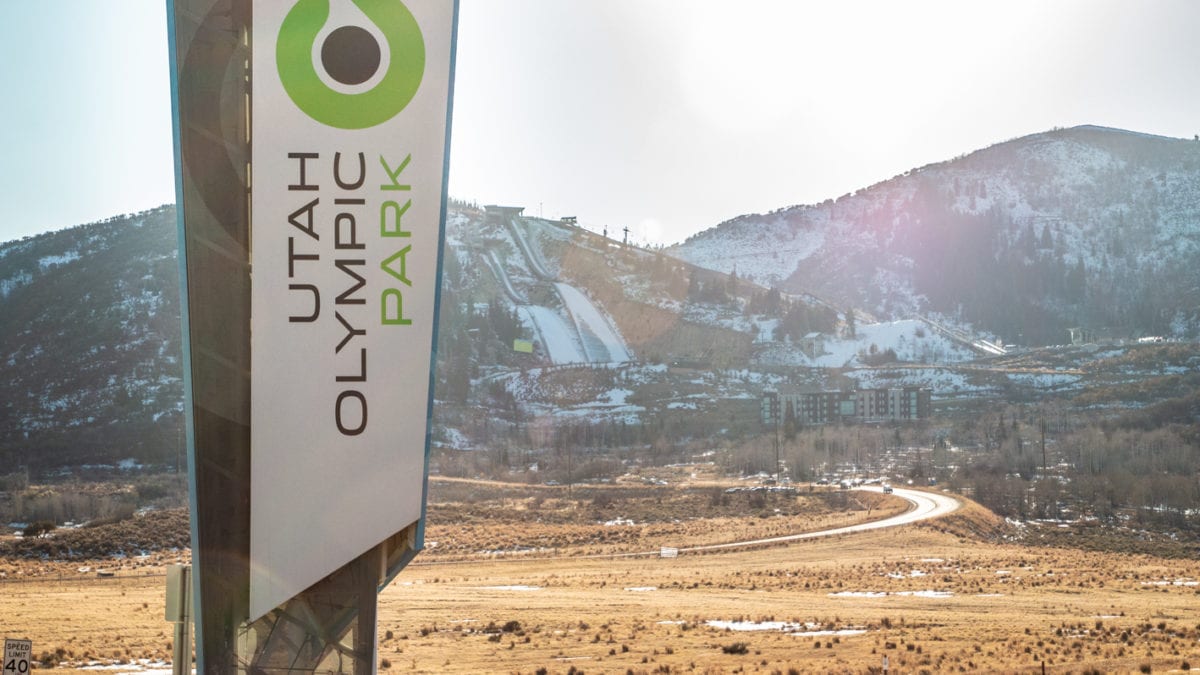
PARK CITY, Utah — The Summit County Council on April 15 unanimously approved an amended and restated development agreement for the Utah Olympic Park, advancing a long-running update to the rules governing future development at the venue after months of hearings, revisions, and public debate.
The 5-0 vote followed roughly six months of negotiations between the county and the Utah Olympic Legacy Foundation, and authorized chair Canice Harte to sign and execute the amended agreement after the required public process.
The amendment replaces the park’s 2011 development agreement with a restated version that resets the rules for the site — laying out where short-term and nightly rentals are allowed, where housing must remain long-term, how access functions through Olympic Parkway and the Bear Hollow gate, and what physical limits apply to future construction, including ridgeline protections. The agreement also commits the county to supporting the park’s effort to be designated a “major sporting event venue” ahead of the 2034 Winter Olympics.
The amended agreement allows approximately 170 affordable athlete and workforce housing units and retains both low-impact-permit and conditional-use-permit provisions.
The vote followed a winter of negotiations over the amendment’s most sensitive pieces: where nightly, short-term, and long-term rentals would be allowed; how much use should be permitted through the Bear Hollow back gate; and how tightly the county should define future flexibility at a venue bordered by Sun Peak and other residential neighborhoods. As TownLift reported earlier this month, council members had been reworking language tied to short-term rentals, gross floor area, hotel ownership, the master conceptual site plan, and ridgeline development.
Earlier in the process, the Snyderville Basin Planning Commission reviewed a package that included a new master conceptual development plan, parcel rearrangement, changes to maximum building height and gross buildable area, adjustments to principal uses, a revised affordable-housing calculation method, and a request tied to a major sporting event venue designation. The commission voted 7-0 on Jan. 13 to forward the amendment with a positive recommendation.
By early April, the debate had narrowed to parcel-by-parcel rental rules and gate access. TownLift previously reported that the framework under discussion would allow nightly, short-term, and long-term rentals on Parcel 1 near the hotel area; short-term rentals limited to athletes and coaches on Parcel 5; and long-term leases only on Parcels 6A and 6B. That same reporting showed Councilmember Roger Armstrong pressing for tighter language to keep primary access on Olympic Parkway and limit broader use of the Bear Hollow gate.
The item had already been delayed once. In late January, the council paused action after residents raised concerns about wildfire evacuation, cut-through traffic, youth sports access, and whether the amendment represented a routine update or a broader rewrite of the park’s development framework.
Financial pressure at the park also shaped the conversation. Utah Olympic Legacy Foundation CEO Colin Hilton has said the park runs at an annual operating loss of roughly $2 million to $3 million, arguing that revenue-generating uses — a hotel, a restaurant, conference space, and related development — are needed to sustain the venue through and beyond the 2034 Winter Games. TownLift reported in March that the amendment would revise the 2011 agreement governing what can be built at the site, including athlete and employee housing, a hotel, ski facilities, and maintenance buildings.
With the agreement now approved, the Utah Olympic Park moves into its next phase under a framework shaped not just by Olympic planning and operational needs, but by months of public scrutiny over traffic, neighborhood impacts, rentals, and long-term growth in the Snyderville Basin.


4251 E Lipizzan Jump
Moab, UT 84532