Park City couple seeks community support in search for living kidney donor

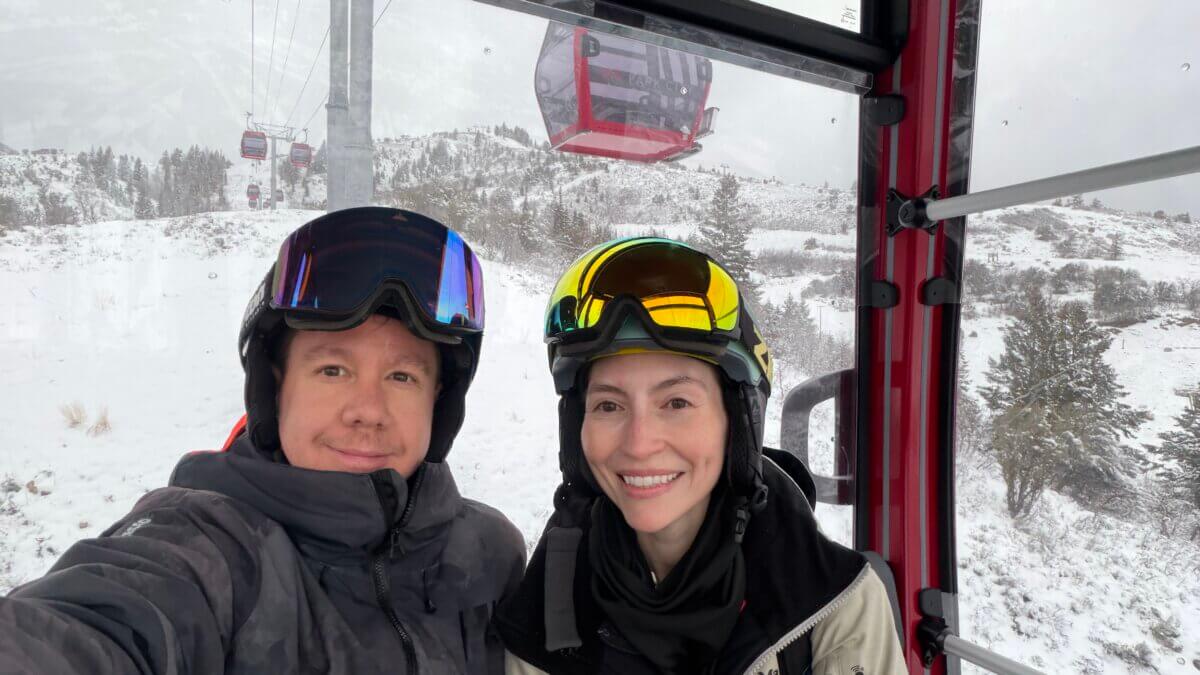
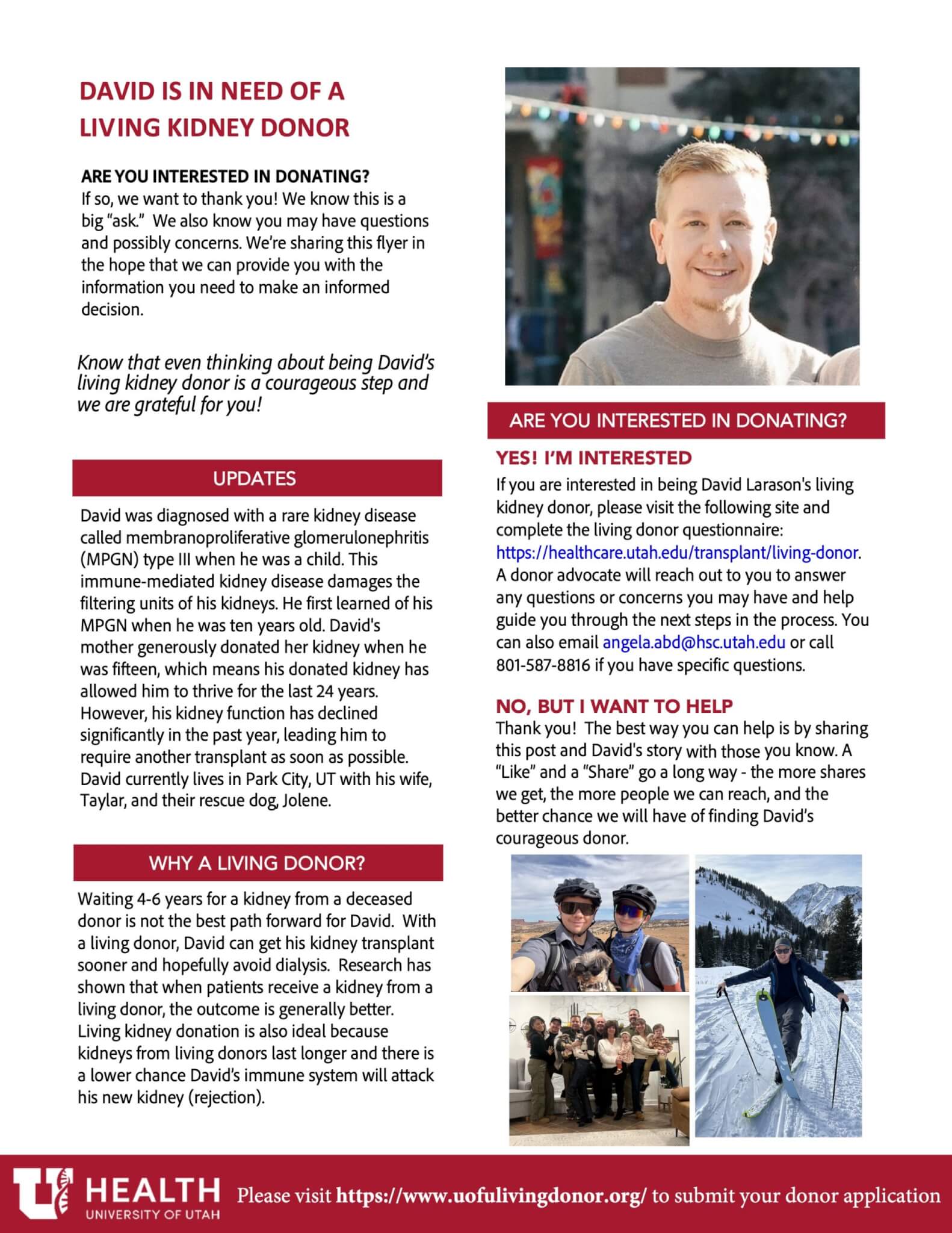
PARK CITY, Utah — David Larason has been living with a rare kidney disease since the third grade. He got a second chance at 15 when his mother donated one of her kidneys. Now, he needs another transplant.
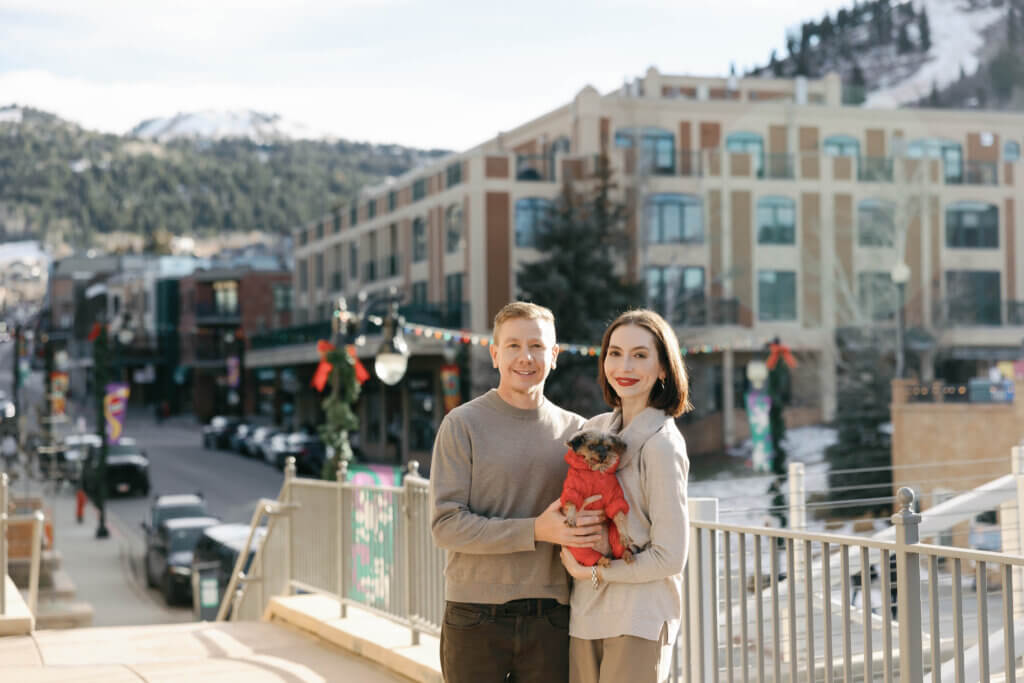
Larason, who lives in Summit Park with his wife, Taylar, and their rescue Yorkie, Jolene, was diagnosed with membranoproliferative glomerulonephritis, or MPGN type III, as a child. The rare immune-mediated disease damages the kidneys’ filtering units, and its cause is largely unknown.
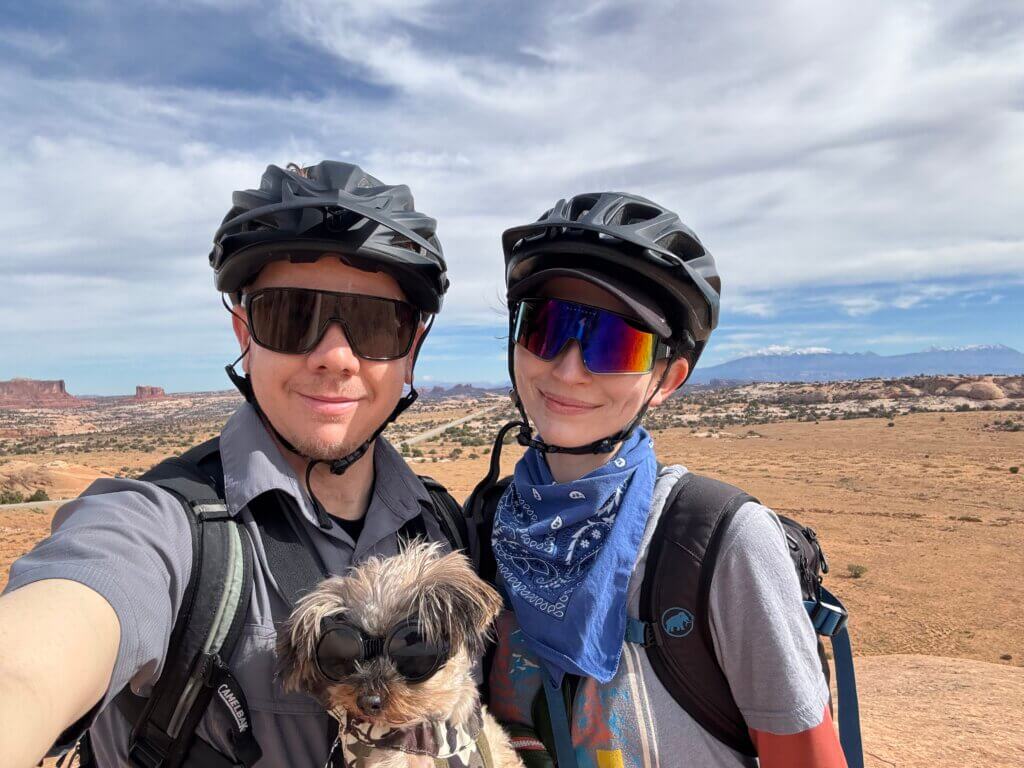
His mother’s donation carried him through 24 years of an active life, skiing, mountain biking and exploring the landscapes of Utah. But the anti-rejection medications that preserved that kidney for so long have gradually taken a toll.
“The medications help your body not reject the kidney, but at the same time they can hurt it over long periods of time,” Larason said. “So now I’m due for my second.”
His kidney function currently sits at 9%. Doctors have told him that once it drops to 7%, dialysis is nearly certain.
“I’m doing everything I can to at least keep the remaining function I have,” he said. “I’ve been stable for the last few months, just dieting very well, a kidney-friendly diet. Trying to remain active and exercise when I can.”
Larason monitors his levels with monthly lab work and manages fatigue and disrupted sleep, often waking and unable to fall back asleep.
“Some days are better than others,” he said. “I am very fortunate to work from home.”
Larason, who runs a one-person consulting firm specializing in finance and accounting, and his wife, who works in biopharmaceuticals, moved to Park City in August 2024 after years in California. He had lived in the Salt Lake area about 13 years ago and always wanted to return.
“I loved it when I lived here, and just loved the lifestyle, the outdoors and the accessibility,” he said.
The couple is also hoping to start a family, a goal that has been put on hold.
“We’re hoping the sooner I can get that transplant, things should kind of return back to normal and hopefully allow us to do that,” Larason said. “That’s been another part of the journey.”
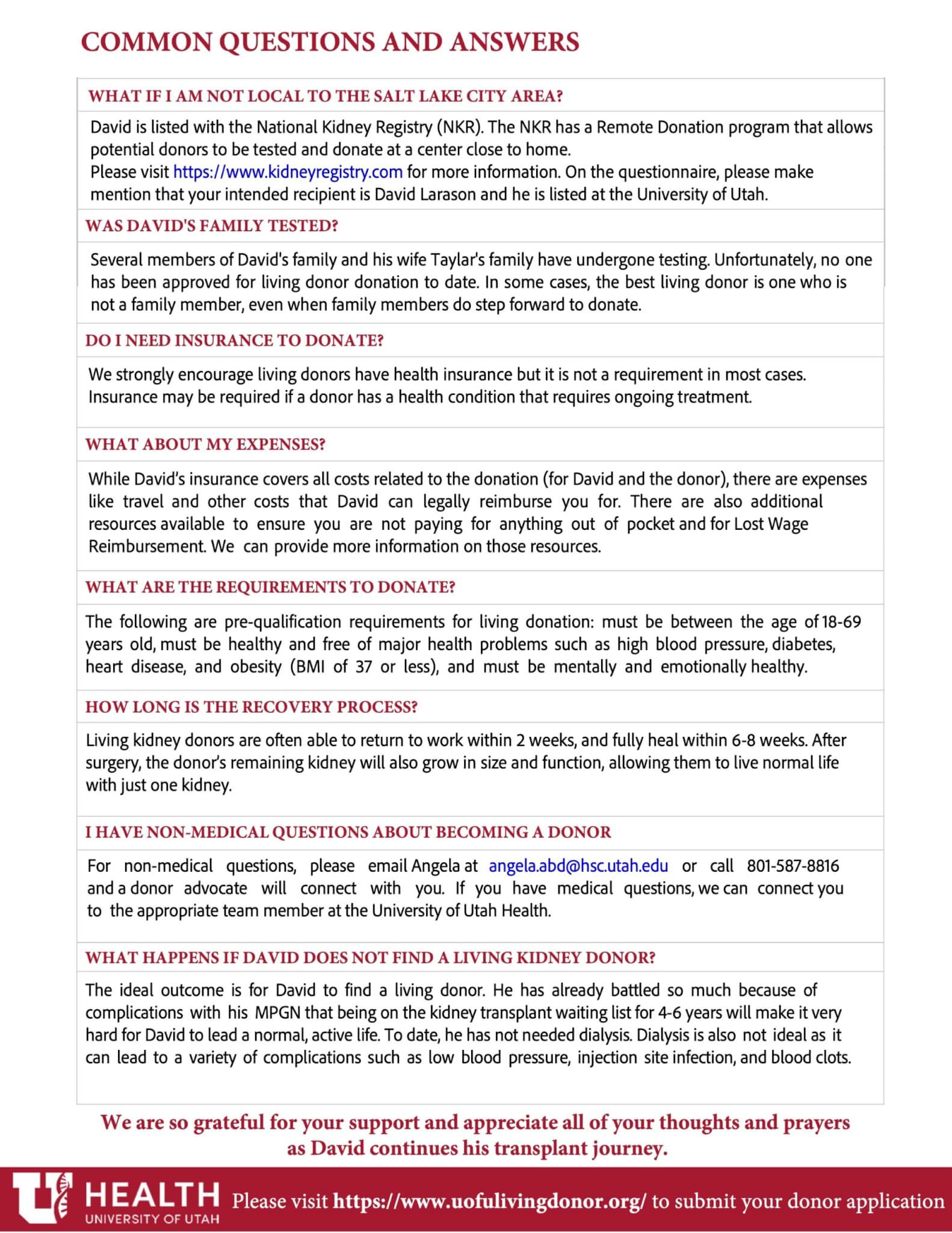
The search for a living donor has been difficult. A living donor is preferred over a deceased donor for several reasons. Kidneys from living donors tend to last longer, carry a lower risk of rejection and allow the recipient to avoid a four-to-six year wait on the deceased donor transplant list. Several family members on both sides have been tested, and each has been ruled out for various medical reasons.
For anyone weighing the decision to donate, Larason points to his mother’s experience as reassurance.
“My mom has lived a very healthy life since donating,” he said. “She’s had no medical complications, doesn’t even take any medications, amazingly. She’s been doing well.”
He acknowledged the process involves real screening and minor risk, but said the University of Utah’s transplant team is thorough in protecting donor health.
“They’re pretty strict at the U with making sure the donors also can live a healthy life,” he said. “They look for certain things. They want to make sure the donor is okay after the surgery and that they can live a normal life with one kidney.”
Donors do not pay out of pocket. All medical costs are covered through Larason’s insurance, and expenses such as travel and lost wages can be reimbursed.
To qualify, a potential donor must be between 18 and 69 years old, be free of major health conditions such as high blood pressure, diabetes or heart disease, have a BMI of 37 or less, and be mentally and emotionally healthy.
For those outside the Salt Lake City area, Larason is listed with the National Kidney Registry, which has a Remote Donation program allowing potential donors to be tested and donate at a center near their home.
Living kidney donors typically return to work within two weeks and fully recover within six to eight weeks. The remaining kidney grows in size and function over time.
Anyone interested in being evaluated can complete a questionnaire at healthcare.utah.edu/transplant/living-donor or submit a donor application at uofulivingdonor.org. Questions can be directed to angela.abd@hsc.utah.edu or 801-587-8816.


2266 E Garfield Avenue
Salt Lake City, UT 84108