Utah Olympic Park loses millions every year. A new hotel might not be enough to fix it.

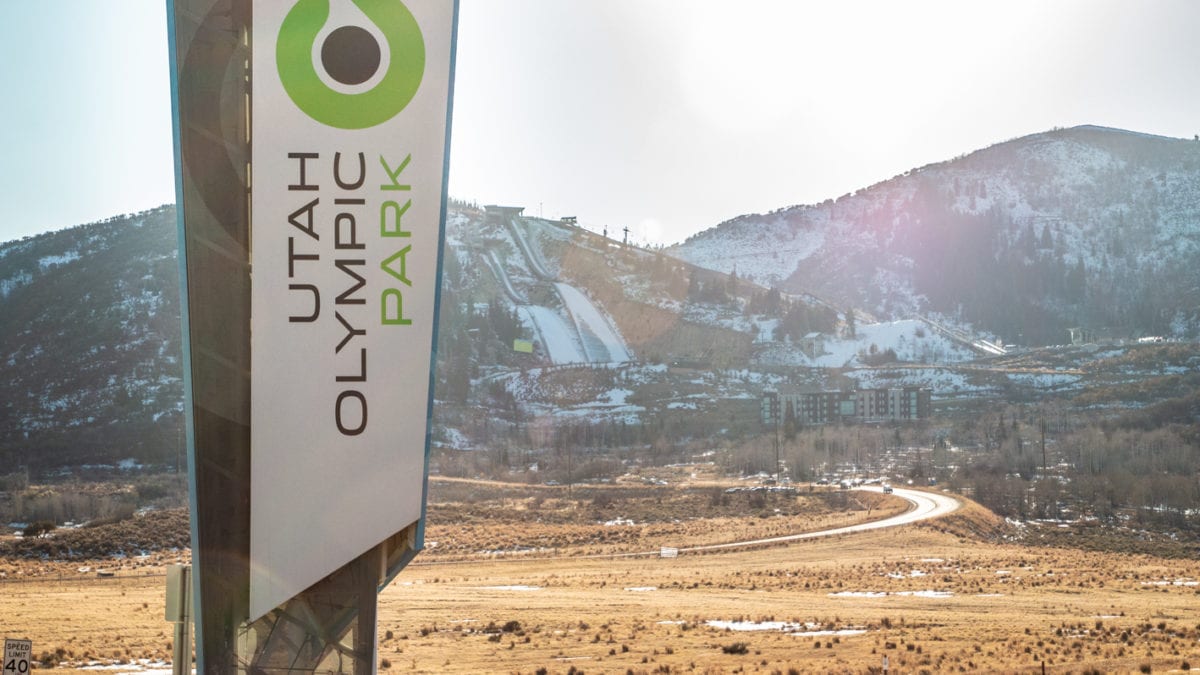
Utah Olympic Legacy Foundation President and CEO Colin Hilton told council members the park currently operates at a net annual loss of between $2 million and $3 million.
SUMMIT COUNTY, Utah — Summit County council members on Wednesday drilled into the finances behind a proposed fourth amendment to the Utah Olympic Park development agreement, questioning whether a hotel-centered redevelopment strategy and future tax-increment financing tools would do enough to reduce the park’s ongoing operating losses.
The discussion marked a shift from earlier hearings, which focused more heavily on neighborhood concerns about traffic, access, wildfire evacuation, and public oversight. This time, council members repeatedly returned to a narrower question: whether the amendment would simply allow more development at the park or help create a more durable financial model for a venue officials say continues to lose money each year.
County Attorney Dave Thomas said revised draft language now more clearly ties one of the amendment’s community-benefit provisions to future tax-increment financing mechanisms aimed at supporting the park’s long-term sustainability. He also said the updated language references possible planning and support for Senate Bill 333 if the Utah Olympic Park is later designated as a major sporting event venue.
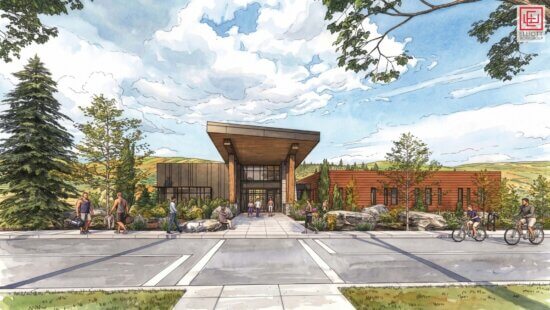
Utah Olympic Legacy Foundation President and CEO Colin Hilton told council members the park currently operates at a net annual loss of between $2 million and $3 million. He said the proposed hotel and conference center concept, paired with a future discussion about tax-increment financing, could reduce that loss by about $1.5 million a year, though not eliminate it.
Hilton framed the amendment as part of a broader, long-term strategy alongside fundraising, corporate partnerships, and future Games-related support to keep the park viable as both a training venue and a community asset.
Several council members appeared unconvinced that the economics were sufficiently clear.
At one point, the discussion turned on whether the county was being asked to endorse a major policy shift before fully understanding how much public benefit it would actually produce. Canice Harte questioned whether the proposal would generate sufficient long-term financial support to justify adding housing and a hotel if the broader funding strategy ultimately does not materialize.
The amendment has been under review for months. As TownLift previously reported, the Snyderville Basin Planning Commission recommended approval in January after a series of public hearings. The proposed changes would revise a long-running 2011 development agreement that governs what can be built at the park, including athlete and employee housing, a hotel, ski facilities, and maintenance buildings.
Earlier TownLift reporting described the amendment as including updates to the master conceptual development plan, parcel configuration, building heights, gross buildable area, and housing calculations, along with county support for the Utah Olympic Legacy Foundation’s consideration for major sporting event venue designation under state law. More recent hearings focused on residents’ concerns about Bear Hollow access, public review, and the long-term effects of additional development in the Snyderville Basin.
Wednesday’s conversation suggested those issues remain part of the backdrop, but the immediate sticking point is now financial.
Hilton argued that Utah is trying to solve a problem many former Olympic host communities have struggled with: how to sustain expensive winter sports venues after the Games. He said the park’s nonprofit operating structure remains important to the state and to the community, but acknowledged that the current model does not fully cover ongoing costs.
The council did not take final action on Wednesday.
That leaves the proposal still unresolved, with council members signaling support for the park’s long-term role while continuing to question whether the proposed path would provide enough financial relief to justify moving ahead now.


4251 E Lipizzan Jump
Moab, UT 84532