Rowland Hall is creating people the world needs
SALT LAKE CITY — For most students, academic rigor means more reading, more memorization, more tests. At Rowland Hall, it means something entirely different.
“We look at rigor as depth of knowledge and allowing students the opportunity to go really deep in their studies,” said Brittney Hansen, Assistant Head of School for Academics at Rowland Hall. “It’s about depth and thoughtful exploration, not breadth of content memorization.”
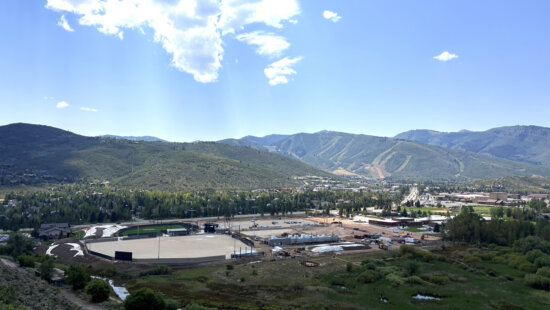
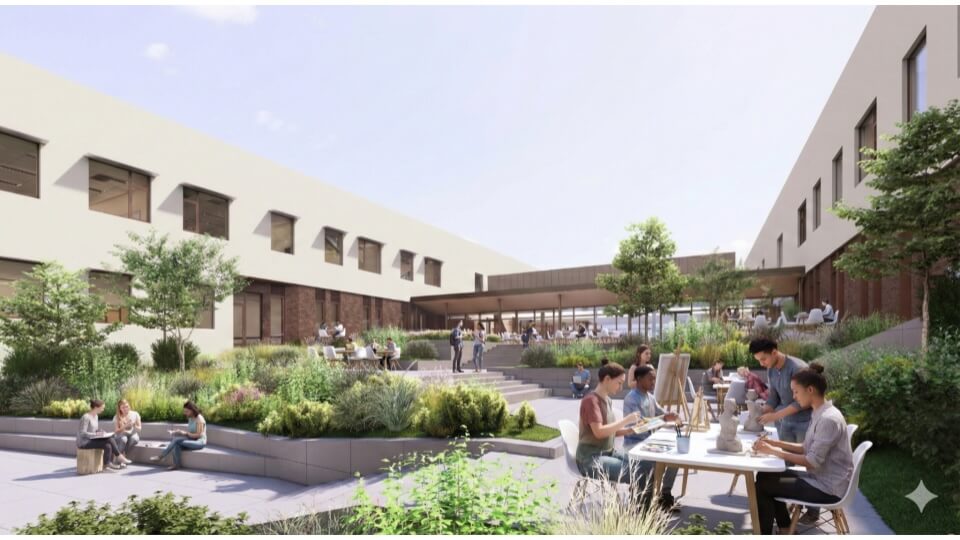
That philosophy runs through everything at Rowland Hall, an independent, private school serving 3PreK through 12th grade in Salt Lake City. With around 1,000 students from across the Wasatch Front and Summit County, the school has built its reputation on academics that go beyond the traditional classroom. Later this year, Rowland Hall will complete its Richard R. Steiner Campus, the new home of its Middle School, Upper School, athletics complex, and performing arts center. The Steiner Campus will bring all of Rowland Hall into one location for the first time in over 40 years.
Learning that sticks
At Rowland Hall, faculty and curriculum doesn’t rely on the memorize, test, repeat method. The school designs curriculum around what Hansen calls a progression: first, students learn critical concepts; then they apply that knowledge; and finally, they create it.
“We believe that students across our divisions are capable of creating meaningful knowledge that makes an impact on their communities,” Hansen said, “and we want to empower them to do that as much as possible.”
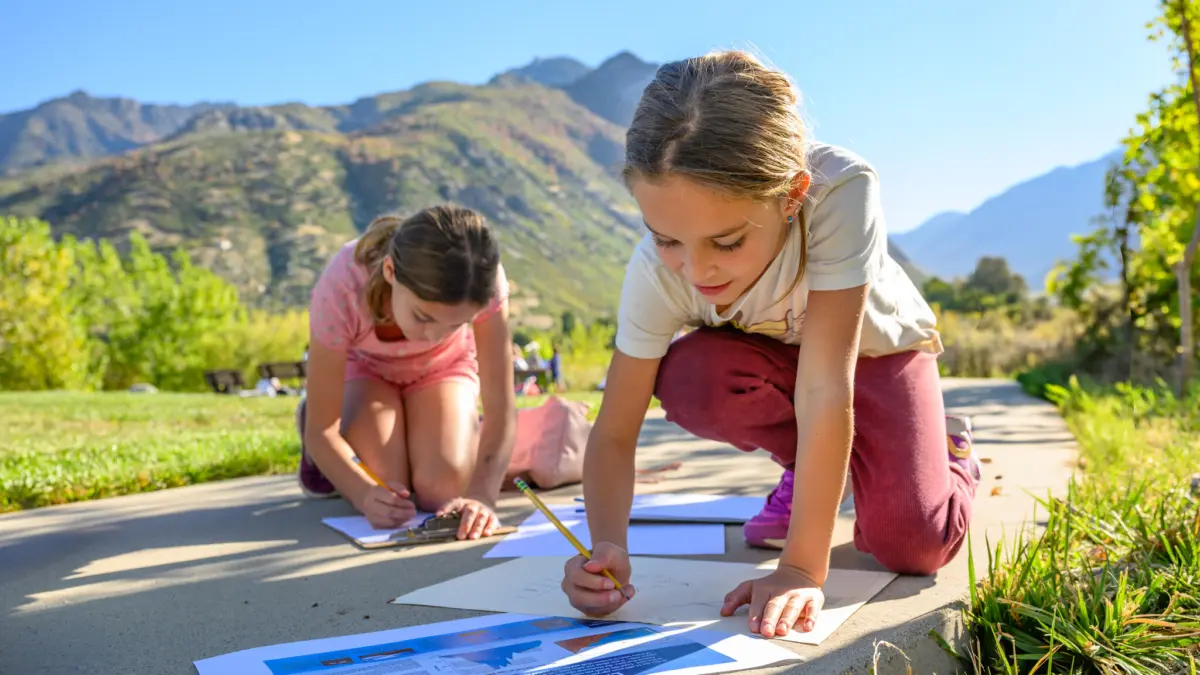
Fourth graders recently undertook an intensive study of the Great Salt Lake, its geography, its science, and its uncertain future. Rather than stop at understanding the problem, students were asked what they could do about it. Working with a local composer, they created original artwork, poetry and a song about the lake that debuted publicly and was shared with other schools across the valley, spreading awareness and a sense of advocacy.
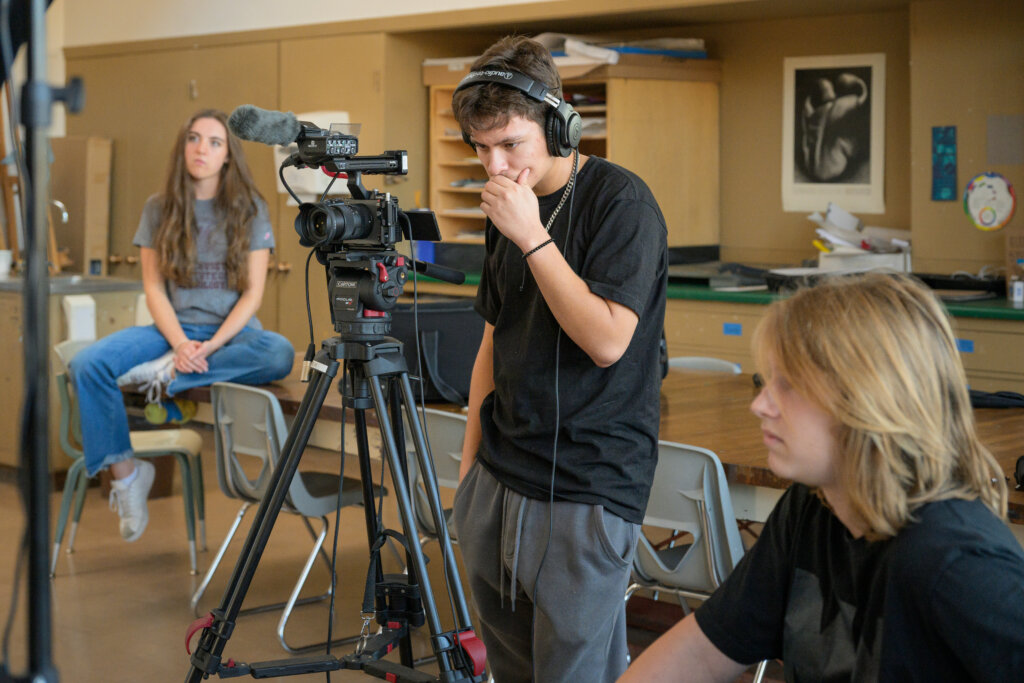
Meanwhile, upper school students have conducted research that lands in national and international journals, the same publications that publish college and graduate-level work. Some students are contributing to cancer research alongside faculty members.
Even the youngest learners participate. This year, 3-year-olds learning to count and compare numbers turned that skill toward something tangible: tracking how many paper towels were used in their classrooms each day, switching to cloth towels and calculating the difference. Then they talked as a community about what choice they wanted to make going forward.

Faculty that makes the difference
None of it would be possible, Hansen said, without a faculty that is genuinely exceptional and committed.
Founded in 1867, Rowland Hall is the oldest independent school in Utah, predating statehood itself. That long track record, rooted in humble beginnings at a Main Street bowling alley and St. Mark’s Cathedral and carried through decades in the historic Avenues neighborhood, gives the school the credibility to recruit and retain top educators from around the country and the world.
“Our faculty are iterating and trying new things and eager to be here every day in a way that energizes the kids,” Hansen said. “That’s different than you find in a lot of school environments.”
‘Developing People the World Needs’
Rowland Hall’s vision statement, “developing people the world needs,” shapes how the school thinks about what it is actually preparing students for.
“We can’t predict the future,” Hansen said. “We don’t know what the world will need, but we know we will need problem solvers, great communicators, collaborators. Those skills are developed via our focus on deep learning.”
A new chapter
The Steiner campus is purpose-built around three centers that reflect Rowland Hall’s educational commitments. The Center for Community Impact is designed to educate, empower and inspire students to become agents of positive change. The Center for Science, Engineering, and Research will feature collaborative science classrooms and student-led research areas. And the Center for Design and Creativity will offer maker workshops and a robotics hub.
“The space should provide new opportunities for us to deliver on the promise that we’re making to families,” she said. “It’s going to elevate learning, amplify teaching, expand programmatic opportunities for kids.”
For families across the Park City area and the broader Wasatch Front, it marks a moment worth paying attention to. Park City families should note that Rowland Hall offers transportation with multiple stops in the Park City area. A Rowland Hall education is rigorous and relevant, like no other. Reach out to the admissions team to learn more at rowlandhall.org.


2266 E Garfield Avenue
Salt Lake City, UT 84108