Sheriff confirms cameras watching Park City feed network used by federal immigration agents

License plate readers across Park City and Summit County feed a national network local agencies say is essential to their work. Authorities confirmed it does not monitor who outside the department accesses that data and that U.S. Customs and Border Protection is among the agencies authorized to use it.
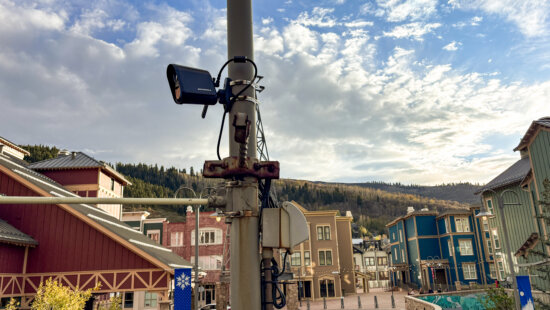
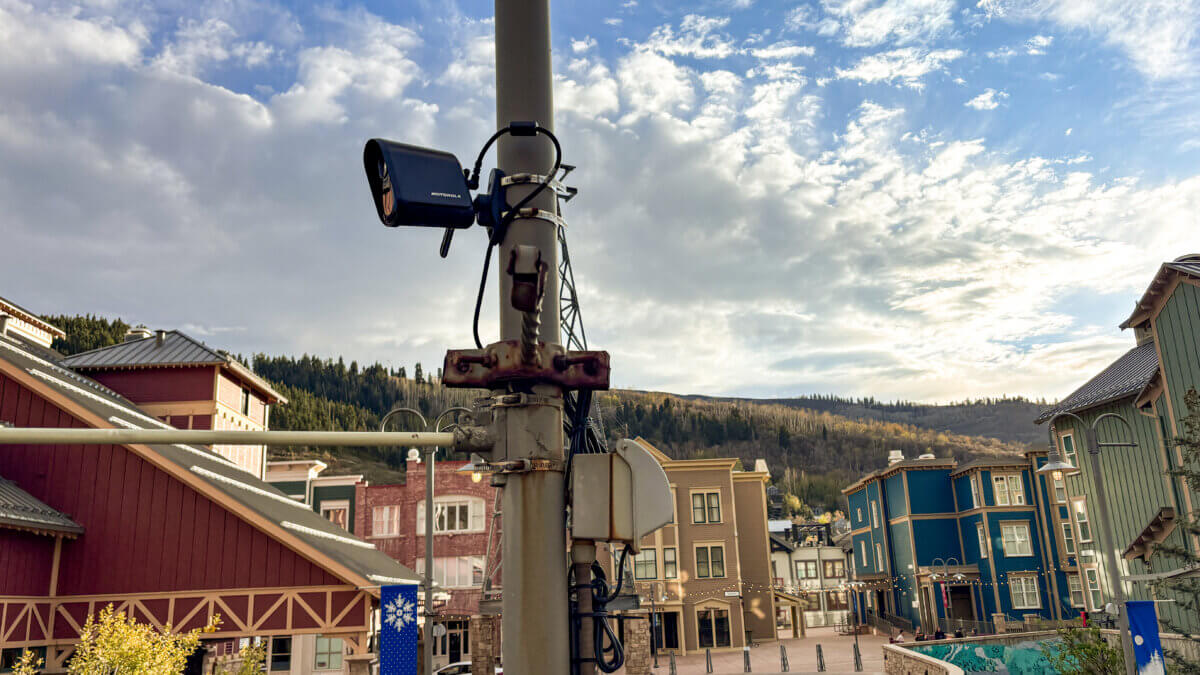
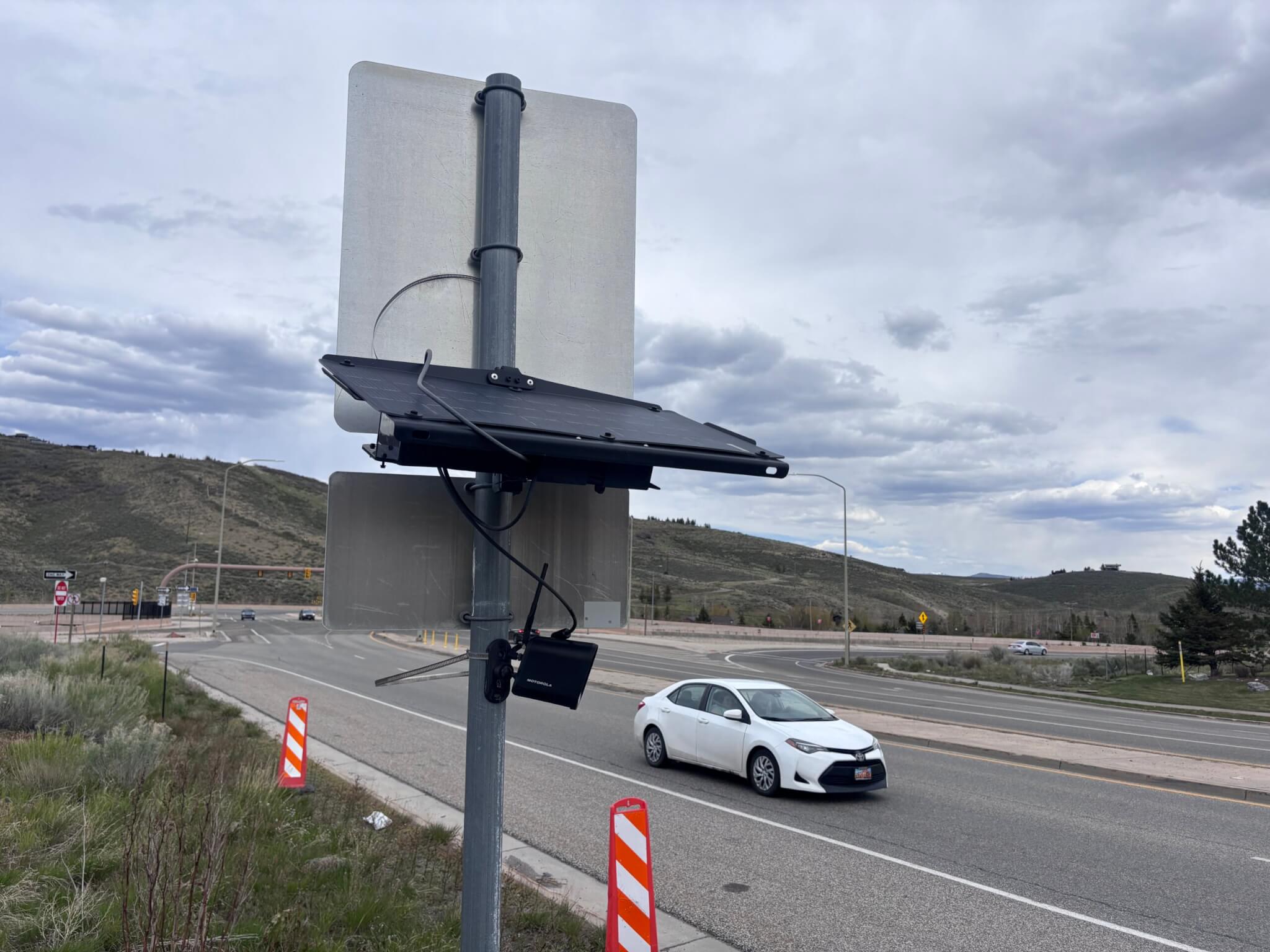
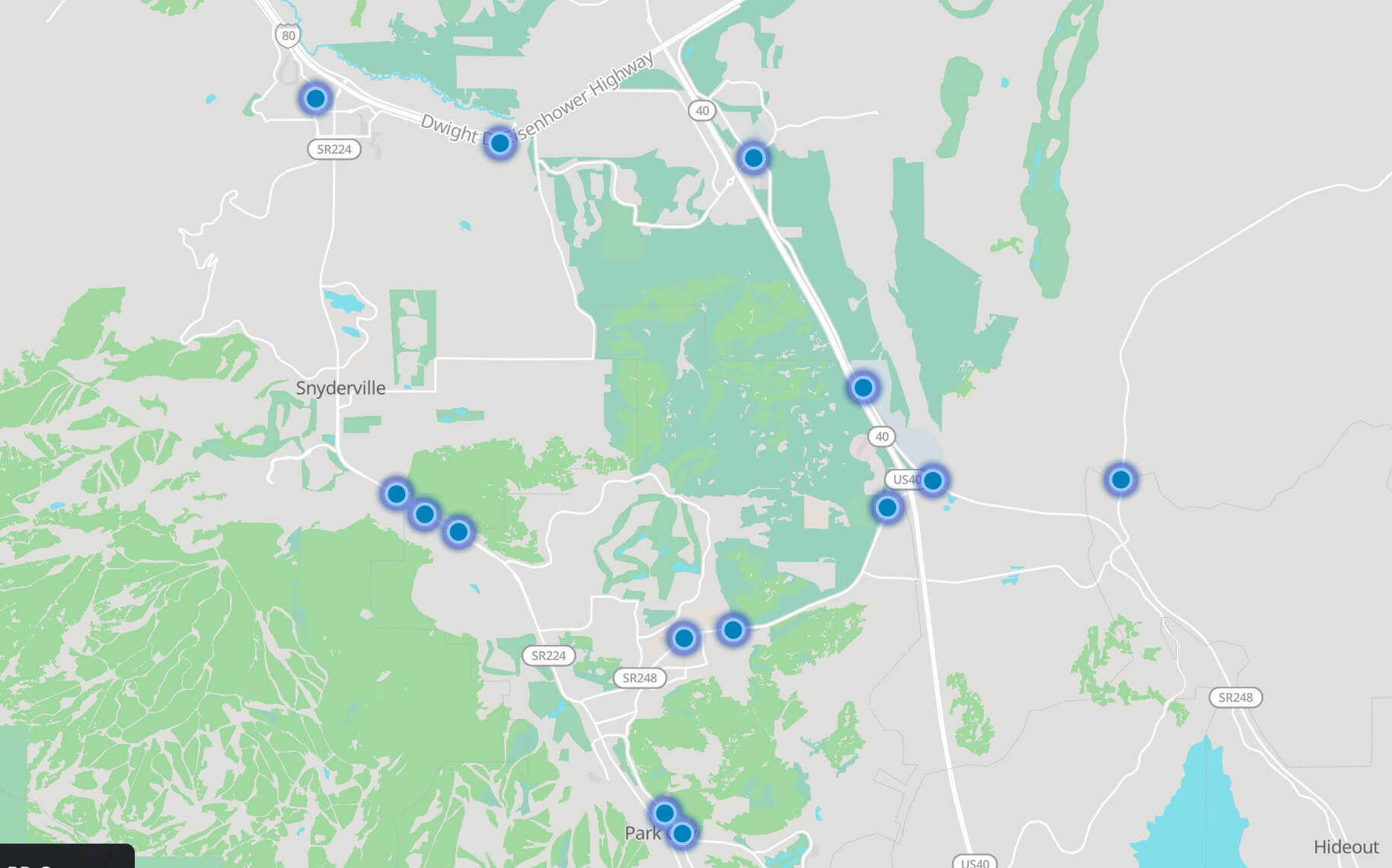
PARK CITY, Utah — Drivers entering and leaving Park City are likely being tracked more often than they realize. Over several days of routine driving, TownLift identified more than a dozen Motorola Solutions Vigilant license plate readers (LPR’s) mounted at some of the area’s busiest intersections, from Kimball Junction and Pinebrook to Marsac Avenue and the main corridors linking Old Town to Interstate 80 along state routes 224 and 248.
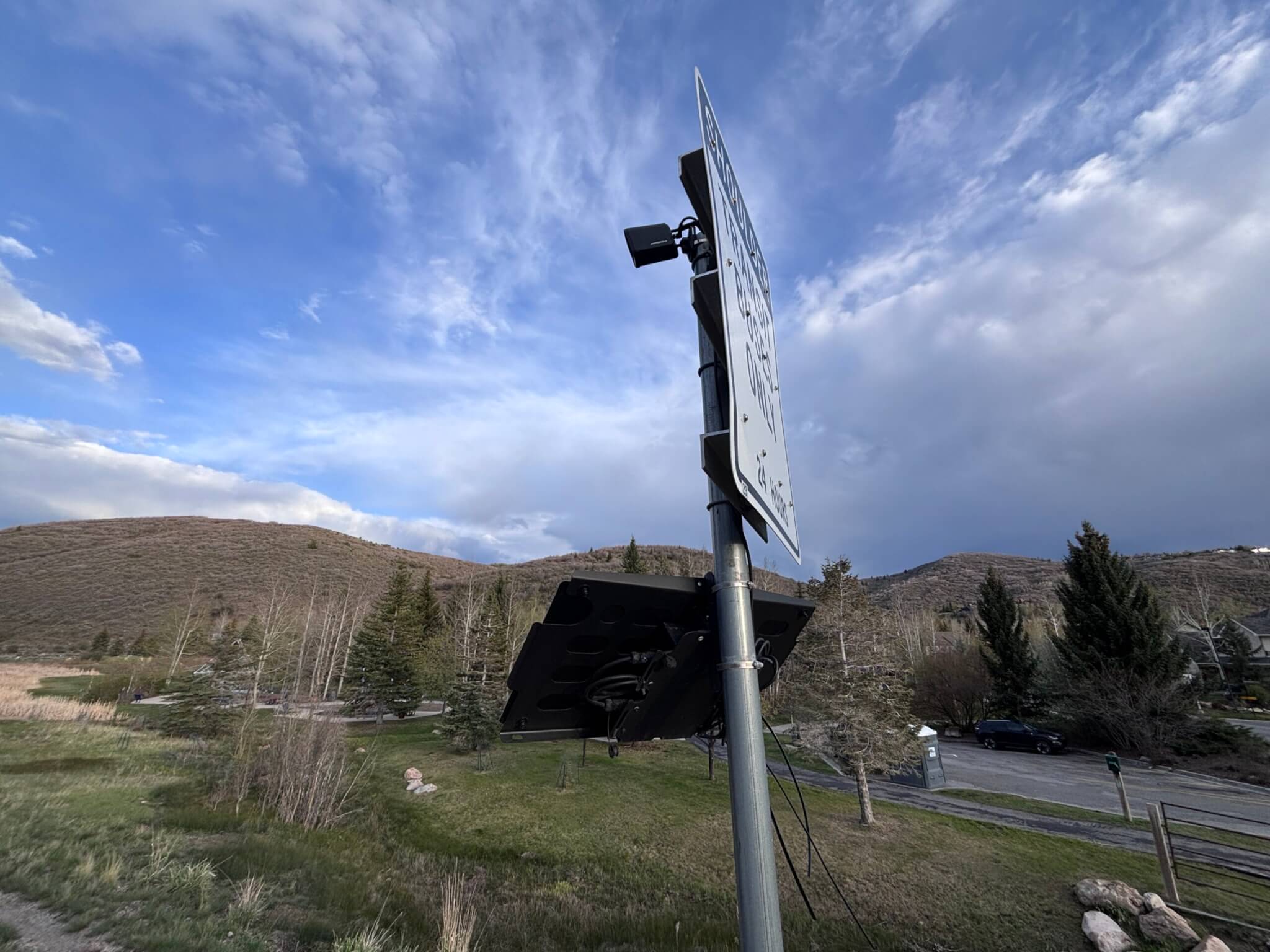
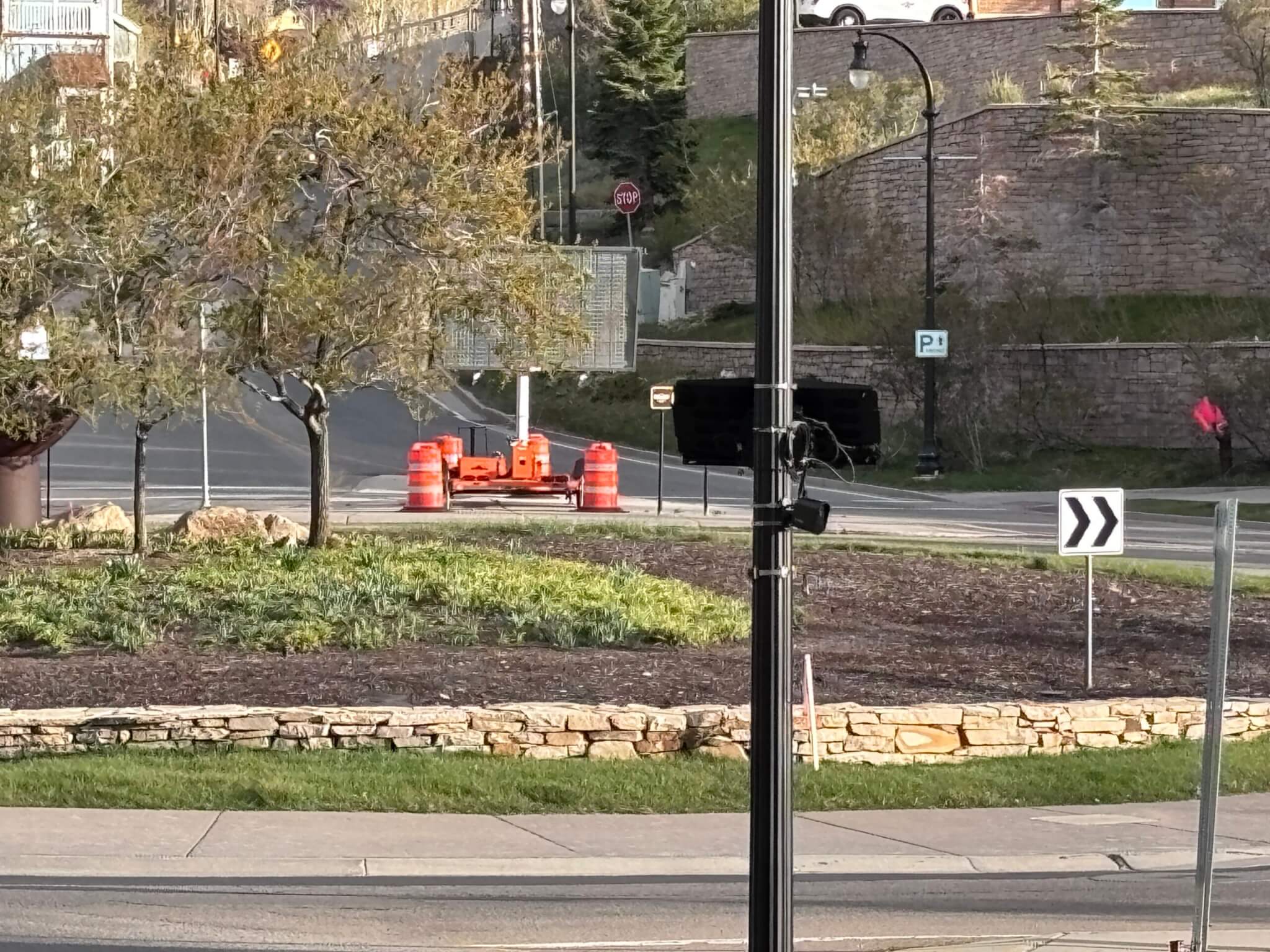
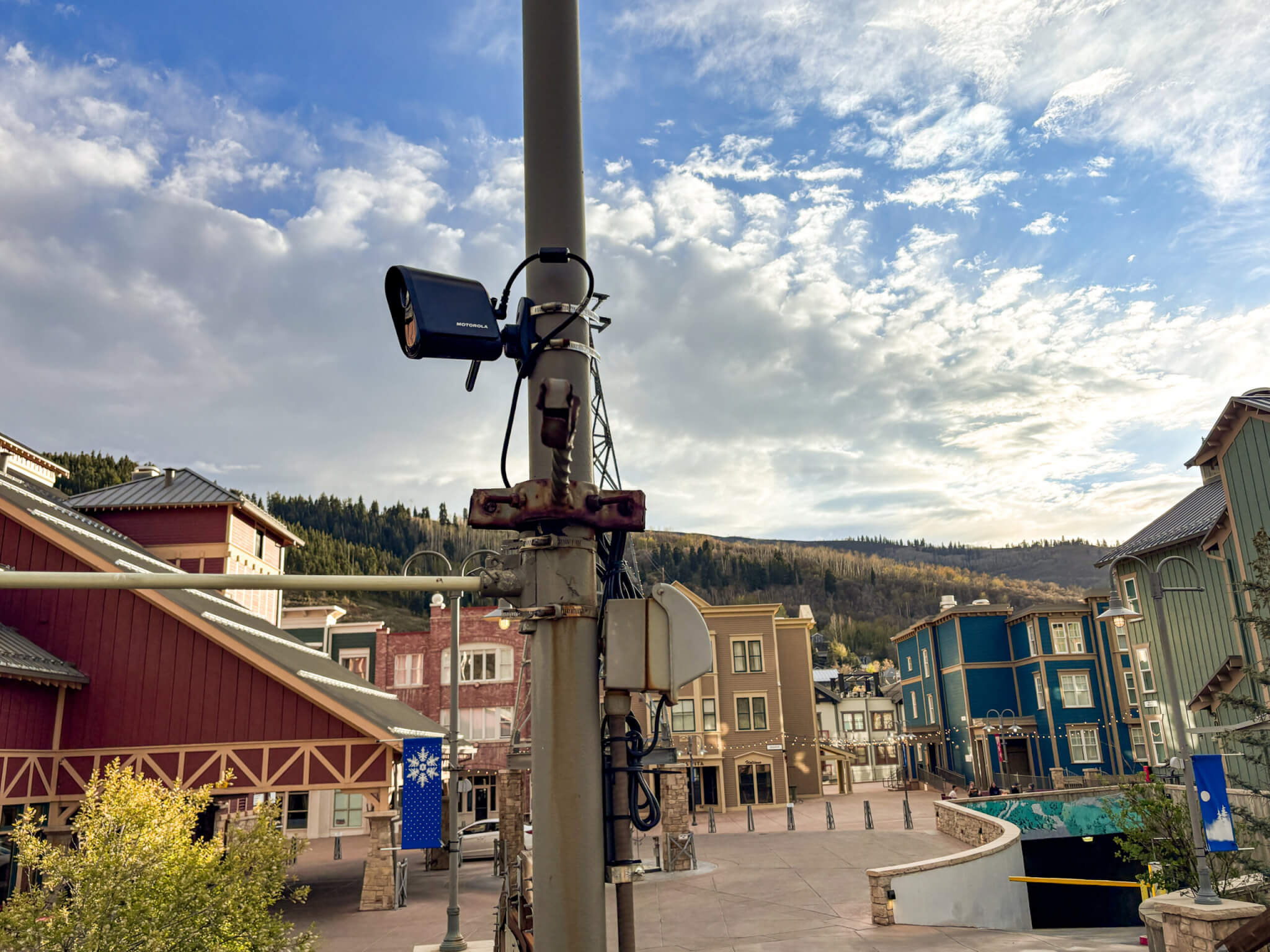
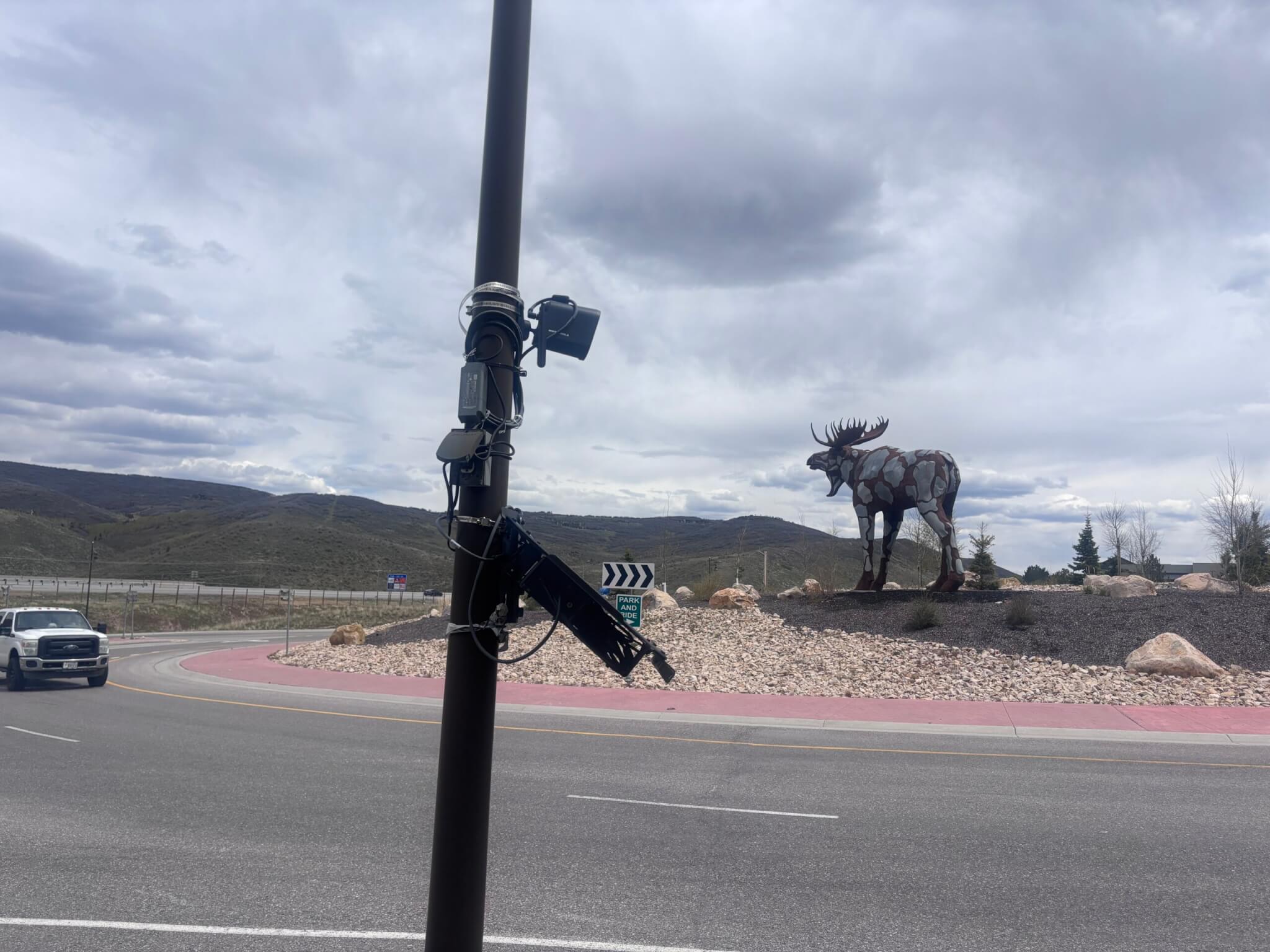
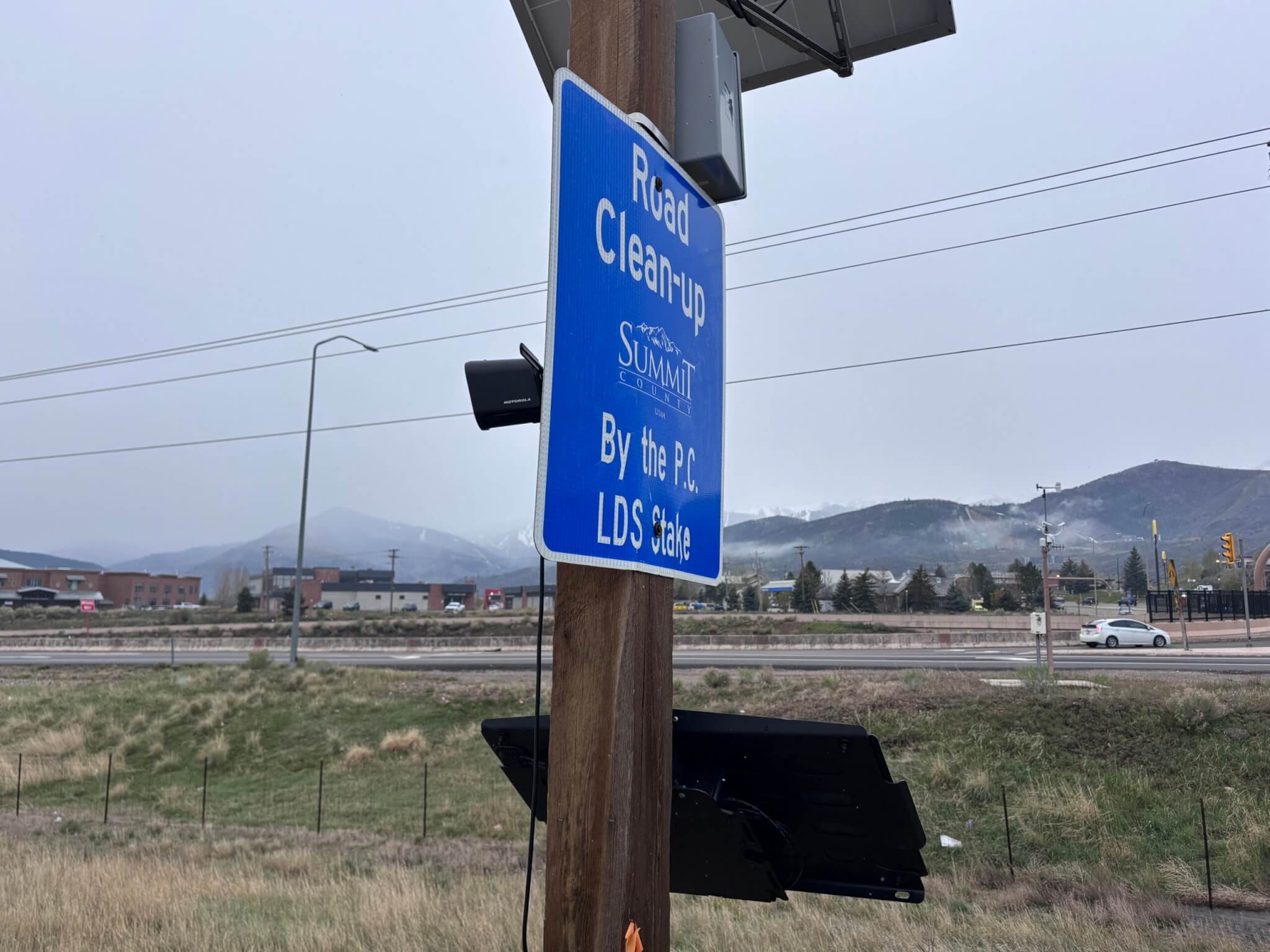
Skyler Talbot of the Summit County Sheriff’s Office (SCSO) and Danielle Snelson with the Park City Police Department (PCPD) both said their respective agency’s “do not monitor or oversee” access to LPR data by authorized outside agencies. Talbot and Snelson said U.S. Customs and Border Protection, the federal immigration enforcement agency within the U.S. Department of Homeland Security is among the thousands of agencies authorized to access the platform where local license plate reader data is shared.
PCPD told TownLift that the agreement controlling how camera data is shared is between the police department and Motorola Vigilant, the company that runs the platform. In Monday’s joint statement, both agencies pointed to this agreement as a rule that keeps the data from being misused. But it isn’t an agreement between police departments, it’s an agreement with the company that operates the platform.
SCSO told TownLift it operates between eight and twelve fixed cameras across Summit County, with additional mobile readers mounted on patrol vehicles. Park City Police operates a separate but compatible Motorola Vigilant system, according to a February 2025 Park City Municipal Corporation procurement document.
The Park City Police Department added that while it does not maintain a log of outside-agency searches as a regular practice, it has the technical ability to query the system and review searches of Park City camera data conducted by external agencies.
What license plate readers are used for
Law enforcement agencies have used license plate readers for more than two decades to support a documented set of investigative cases:
- Recovering stolen vehicles flagged in national crime databases
- Locating missing or endangered persons in AMBER and Silver Alert cases
- Tracking suspects in active investigations
- Apprehending individuals with outstanding warrants when their vehicles pass a reader
LPR cameras have drawn local attention this spring as federal immigration enforcement activity in the region has increased. ICE operations have been confirmed by local agencies in Summit County, Heber City, and Park City over the past several months.
According to Motorola’s product documentation, the L6Q cameras don’t just capture the plate. The cameras can record each passing vehicle’s plate, make, model, color, and speed, and use infrared illumination to operate in total darkness. The data uploads to Motorola’s VehicleManager platform, where it is retained and shared based on the agency’s settings.
Talbot said the cameras do not record continuous video or photograph people. The system scans for characters in a license plate format and captures a close-up still image when it finds one.
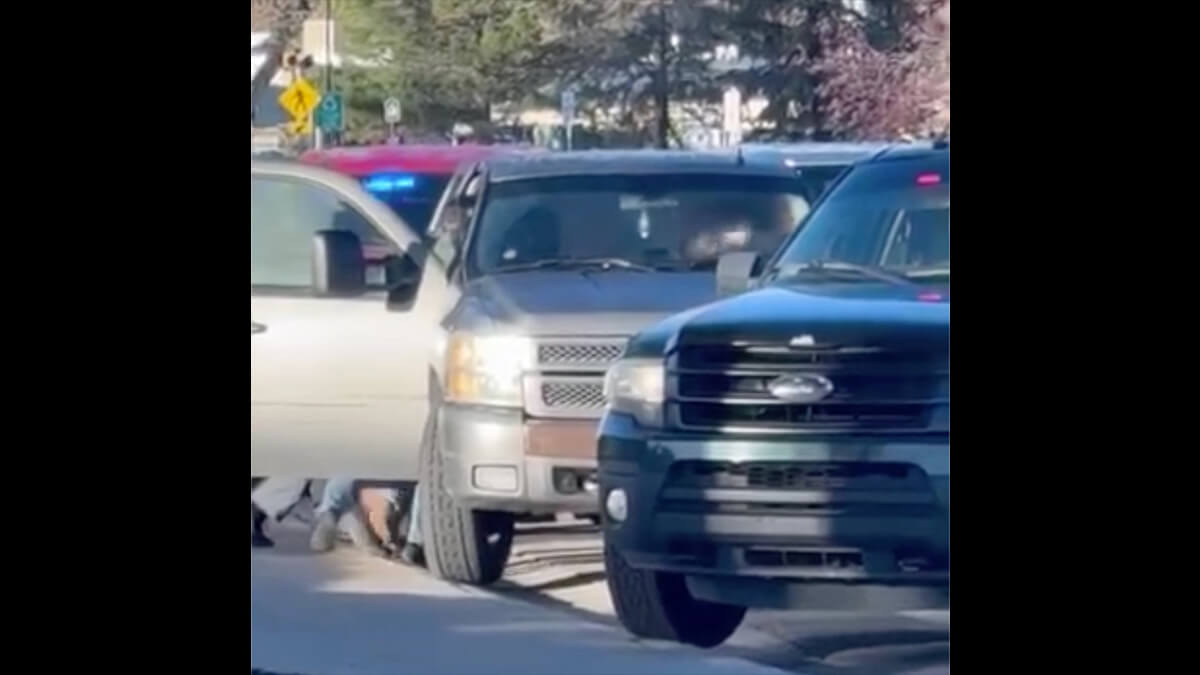
On Monday, May 4, SCSO and Park City Police Department issued a joint statement after a TownLift interview about the cameras, responding to public concern over how LPR technology might intersect with regional ICE enforcement activity.
Agencies confirm the network is built to share
In Monday’s joint statement, the agencies said no local law enforcement personnel had run LPR searches on behalf of federal immigration authorities. Specifically, the statement said no Summit County or Park City personnel conducted a targeted search, real-time tracking, or investigative action using LPR systems for federal agencies in the case in question.
The statement also laid out how the broader data-sharing system works and why the agencies stand behind it.
According to the release, the Motorola Vigilant LPR platform they use is part of a national system deployed by thousands of law enforcement agencies across the country. Data sharing between participating agencies isn’t a side feature, it’s built into the platform as a core function. The agencies described that capability as a significant boost to investigations, especially when suspects cross state lines. As an example, they pointed to a recent aggravated assault and attempted murder case in Coalville, where the shared network helped track a violent offender who had fled the area.
“Our offices maintain that preserving this data-sharing capability is essential to maximize the effectiveness of this technology in protecting public safety,” the joint statement said.
ICE pays for access to the network Park City uses
While Talbot said he was not aware of ICE using Summit County’s system, the Department of Homeland Security has openly acknowledged ICE’s use of license plate reader data. In a privacy assessment first posted in 2015 and updated three times since, the agency confirmed that ICE personnel have query access to a commercial database drawing from law enforcement and commercial cameras nationwide.
The same document acknowledges ICE can receive plate data indirectly through local and state agencies connected to commercial networks, meaning the agency can access data from jurisdictions that, on paper, restrict sharing plate information with federal immigration authorities. As long as a local agency contributes data to a commercial vendor’s network, ICE’s contracted access to that vendor’s database can reveal the data, even without any direct agreement between ICE and the local department, as Biometric Update reported in November 2025 based on the federal disclosures.
The vendor running that network is Vigilant Solutions, owned by Motorola Solutions, which acquired the company in January 2019. The same Motorola Vigilant network Park City and Summit County contribute to.
ICE has held contracts for access to that network since December 2017, originally through Thomson Reuters subsidiary West Publishing and its CLEAR investigative platform which integrates Vigilant license plate reader data for law enforcement subscribers. That contract has been continuously renewed.
According to reporting by NPR, ICE signed a separate contract with Thomson Reuters in May 2025 worth nearly $5 million. The contract pays specifically for “license plate reader data to enhance investigations for potential arrest, seizure and forfeiture” meaning the federal government is paying to use license plate data when making arrests and seizing property.
What this means for Park City: The local agencies say the data-sharing network is essential to public safety. It is the same network ICE has paid nearly $5 million to use in 2025 alone, money the federal government spent specifically to support arrests, seizures, and forfeitures. ICE’s access does not require local officers to do anything. Both the Sheriff’s Office and Park City Police told TownLift that they do not monitor or oversee who outside their departments is searching the data their cameras collect, and both identified U.S. Customs and Border Protection a federal immigration enforcement agency as one of the agencies authorized to use the platform.
Privacy VS Safety
Park City is now part of a national conversation about how far law enforcement should go in deploying technology that can both solve crimes and increase public safety while creating searchable records of where vehicles travel.
Talbot said the cameras serve two main investigative purposes: helping with crimes in progress and assisting investigations after the fact. If a business reports merchandise stolen by someone fleeing in a vehicle with a known license plate, dispatchers can check whether the vehicle passed a nearby camera in the relevant timeframe helping deputies determine a direction of travel. The system is also used later in investigations when deputies are searching for a vehicle linked to a case.
“We’re able to follow a trail of breadcrumbs,” Talbot said. “There are multiple cameras, so we’re able to dial in on where that vehicle went, the direction they were going.”
The joint statement said all agencies on the network operate under a written agreement requiring shared data to be used only for legitimate law enforcement work and in compliance with the law. The agreement also prohibits using the information for unethical, illegal, criminal, or commercial purposes. Park City Police later clarified that its agreement is with Motorola Vigilant, the company that runs the platform, rather than an agreement among the law enforcement agencies themselves.
Talbot said Summit County deputies must have an active case and a case number to access the system.
“Our SOP is that, yes, you do need to have an active case to access that system, and a case number should be included with that,” Talbot said.
The federal contract operates outside those local rules. When ICE searches the Motorola Vigilant network through its contract with Thomson Reuters, the search follows the platform’s rules, not the local policies of Summit County or Park City. The Sheriff’s Office told TownLift that the records it keeps of who searches the data only cover Sheriff’s Office deputies, not searches run by other agencies on the platform.
A broad data-sharing pattern other states have documented
The architecture by which federal agencies access locally collected license plate data has been documented in multiple states. A 2019 American Civil Liberties Union investigation, based on records obtained through Freedom of Information Act litigation, found that more than 80 local law enforcement agencies across more than a dozen states had configured their platform settings to share data with ICE. Last week, the Dayton Police Department in Ohio indefinitely suspended its license plate reader program after an internal review found that a network sharing feature had been enabled allowing data to be accessed more broadly than the city commission had authorized, the Dayton Daily News reported.
No public process, no annual report
The license plate reader program in Summit County was not approved through a Summit County Council vote or a public hearing. The Sheriff’s Office funded it through its own budget, the office told TownLift in an interview. There is no annual public report on camera locations, hit rates, arrests, audits, or outside-agency access.
Utah’s Automatic License Plate Reader System Act requires agencies using the technology to maintain a written policy and publish it. Both Summit County and Park City have published policies. Each requires that data sharing with outside agencies be processed through written requests, reviewed and approved by a designated commander, with the approved request retained on file. How those policy requirements interact with the platform-level data sharing the joint statement describes as essential is a question the published policies do not directly address.
Talbot said he understood why residents have questions about the technology.
“I absolutely see the concerning point, and I would never fault anyone for being concerned,” he said. “Quite frankly, I think it’s good that people are concerned, good that people are curious about these sorts of advancements.”
For residents, the question may be less about whether license plate readers can help solve crimes. Local law enforcement says they do, and more about what oversight and public process should accompany a technology that, by the Sheriff’s Office’s own description, is shared with thousands of authorized agencies, including a federal immigration enforcement agency, and operates without local visibility into who is querying the data.
Note: This article has been updated to include responses from the Park City Police Department. Rebecca Brenner and Brian Modena contributed to this report.
Have information about how license plate reader data is being shared in Summit County or Park City? Contact TownLift at tips@townlift.com.
Map of LPR and ALPR cameras in the Park City area from DeFlock


2266 E Garfield Avenue
Salt Lake City, UT 84108