Utah 2034 Olympics CEO Brad Wilson sums up Milan Cortina 2026 as Utah Paralympians return home

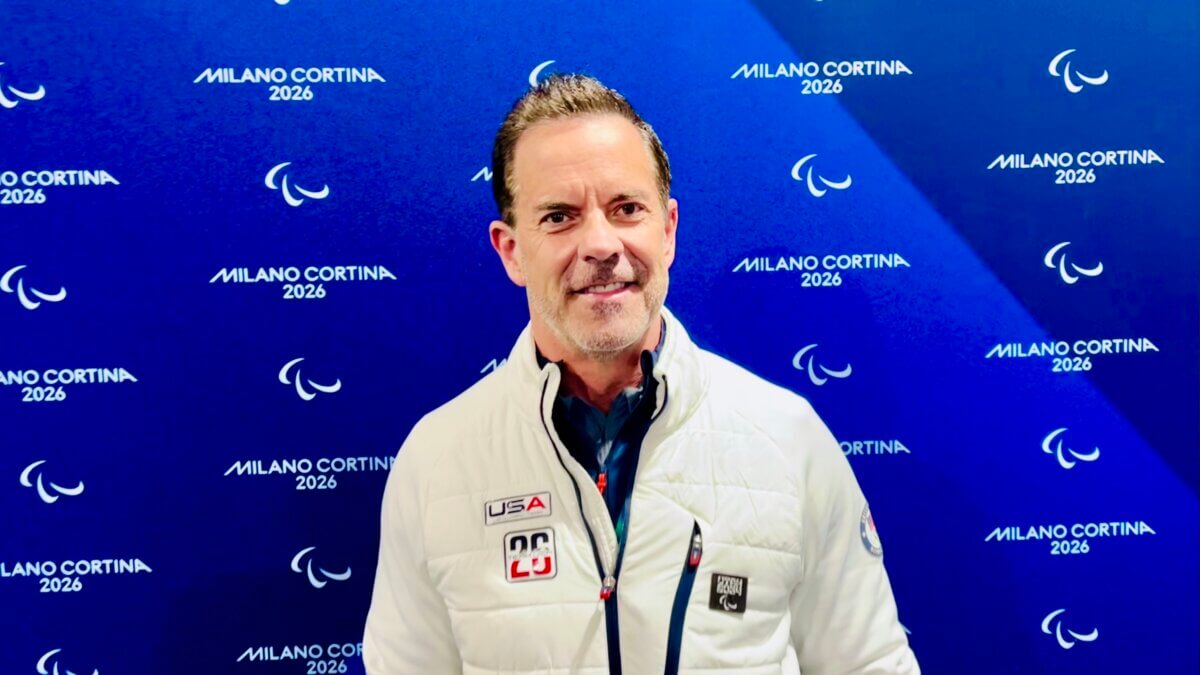
CORTINA, Italy — In an exclusive interview with TownLift, Brad Wilson discussed the Milan Cortina Olympics and Paralympics, how they reflect the legacy of the Salt Lake 2002 Games, and what they signal for the Utah 2034 Games. Meanwhile, Heber City’s Andrew Haraghey and other Utah Paralympians returned home from Italy to a hero’s welcome.
Inside Cortina’s Main Media Center, Wilson — vice chair and CEO of the Utah 2034 Olympic and Paralympic organizing effort — had just listened to his Italian counterparts speak at a press conference held every other day, regardless of whether there is significant news.
Shifting Winter Games earlier in the year
Organizers reported that they saw record high ticket sales near the end of the Paralympics. They also said long-running discussions have intensified around potentially moving the Games earlier on the calendar to combat low snow levels.
Members of the Milan Cortina organizing committee noted that while shifting dates could help address climate concerns, the challenges are significant. Adjusting athlete qualification timelines is one hurdle; coordinating with international governing bodies such as FIS, as well as bobsled and curling federations, is another. But the biggest obstacle may be television networks, whose existing broadcast schedules and contracts would be difficult to rearrange for a January Games.
Wilson said it remains to be seen whether a future host city like Salt Lake City and Park City would shift dates or be “grandfathered” into a traditional February–March schedule.
“This is a big question that we know they’re working on, and we want to be helpful,” he said, adding that Utah would follow the lead of the International Olympic Committee and the International Paralympic Committee.
Local pride
Wilson also pointed to the strong visual presence of blue-and-white flags across Cortina, celebrating the legacy of the 1956 Games and reflecting deep local pride.
“There is certainly a lot of pride and spirit here,” he said. “We look forward to bringing that same pride and spirit as a second-time host back to Utah in 2034, in creative ways that go beyond just venues and sports.”
Tech innovations at the Olympics
From old-school to innovation, Wilson — like many in Cortina — marveled in the technology that was created for and utilized by these Games, such as the mini drones following athletes through the fields-of-play and the intuitive apps for the workforce that helped them navigate public transportation. Wilson said he loved learning about how Milan Cortina was applying tech.
When asked whether Utah 2034 would adopt similar tools, Wilson emphasized how quickly technology evolves, nothing that we can’t even imagine right now what types of technology will be available for logistics or entertainment eight years from now. “That’s an exciting prospect,” he said.
Geography of Utah’s Games
He also contrasted the geography of northern Italy — including the Dolomites, a UNESCO World Heritage Site — with Utah’s planned layout.
While calling the region “one of the most beautiful places on Earth,” Wilson noted that Milan Cortina is the most geographically spread-out Winter Games in history, creating logistical challenges Utah will easily avoid.
“Compact” is the word he used to describe the 2034 plan. Spectators, volunteers, and media will be able to stay in one location and reach any venue within about an hour — similar to the 2002 Games — rather than traveling multiple hours between sites, as was often required in Italy.
That compact model also affects athletes. In Milan Cortina, competitors were housed in multiple villages, some temporary and some permanent. While athletes reported positive experiences and formed lasting friendships, the setup lacked the centralized, shared atmosphere seen in 2002 — something organizers plan to emphasize again in 2034.
Wilson also praised the execution of the Games and the athletes themselves, he was wearing gear from the United States Olympic & Paralympic Committee.
“A big congratulations goes out to the Olympians and Paralympians — not only from the U.S., but from every country represented here,” he said.
He added that the three most important goals of any Games were achieved: “The athletes had a fair Games, a safe Games, and a fun Games.”
Olympic homecoming
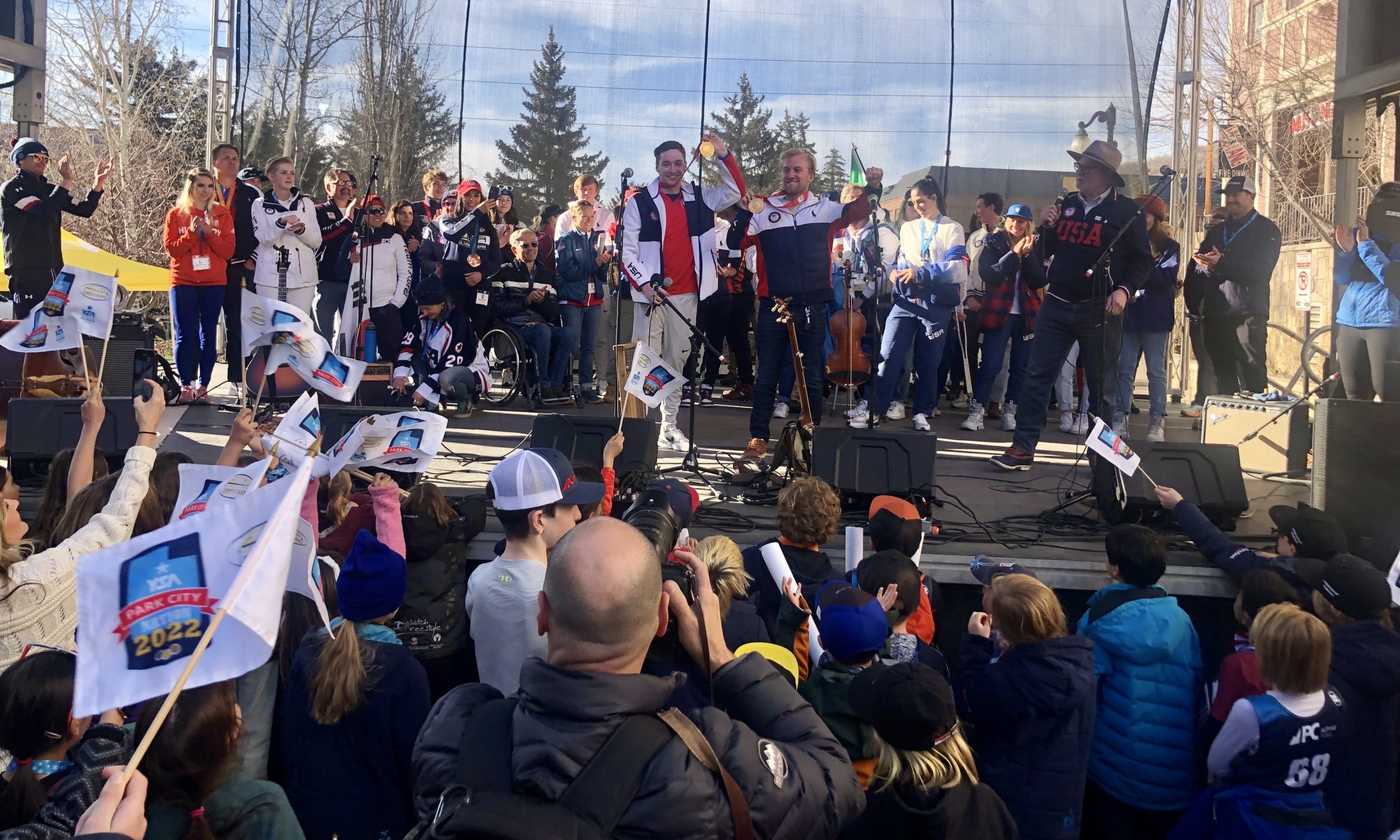
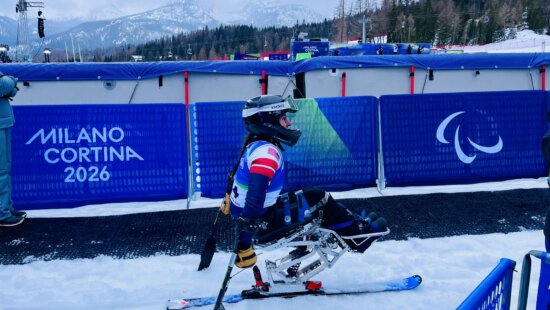
On Tuesday, after the Closing Ceremonies, 15 Utah Paralympians from Alpine Skiing and Snowboarding arrived back home.
To the delight of fellow passengers, pilots on the planes announced over speakers the presence of Team USA.
Inclement weather delayed the team, but a Welcoming Committee applauded and waved signs upon touch-down in Salt Lake for these Paralympians like Heber City resident and National Ability Center athlete Andrew Haraghey.


2266 E Garfield Avenue
Salt Lake City, UT 84108