Watching the session from the ground up: An Indigenous reflection on Utah’s lawmaking

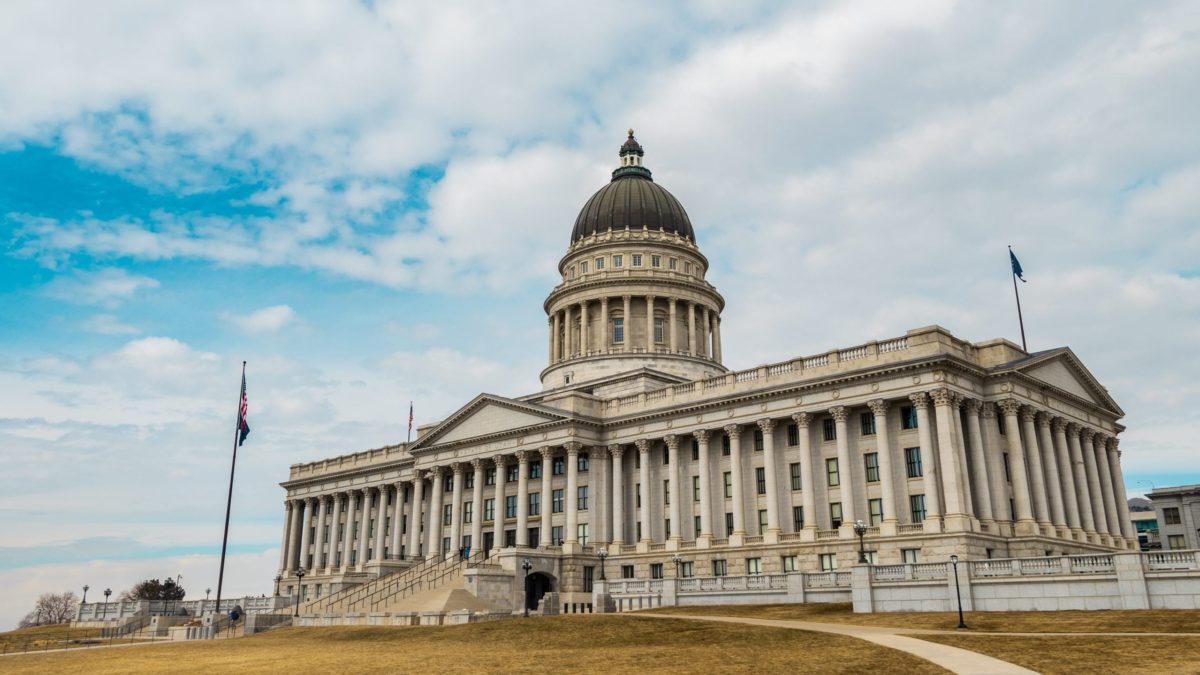
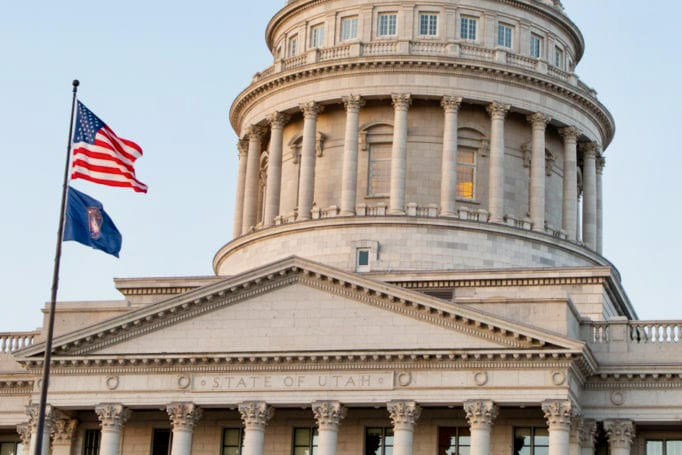
The session moves quickly, and from an Indigenous perspective, that pace can make it harder for tribal nations and other impacted groups to track, weigh in on, and shape legislation—especially on issues like water, public lands, air quality, infrastructure, and growth that may have major impacts even when tribes aren’t mentioned in the bill text.

TownLift spoke with Darren Parry, former chairman of the Northwestern Band of the Shoshone Nation, about what it means to watch the session from Indigenous lands—and why some of the most consequential “tribal” impacts come from bills that never mention tribes at all.
RB: When you say Indigenous communities watch the session “differently,” what do you mean?
DP: Tribes are often told to watch for “tribal bills,” as if our concerns only appear when our names are printed in the margins. But Indigenous communities have learned, through long experience, that the most consequential impacts often come from bills that never mention us at all.
Water policy, public lands, mineral extraction, air quality, infrastructure, growth management—these are not labeled “tribal issues,” yet they shape the survival of our nations.
RB: What does that look like in practice—what are you tracking?
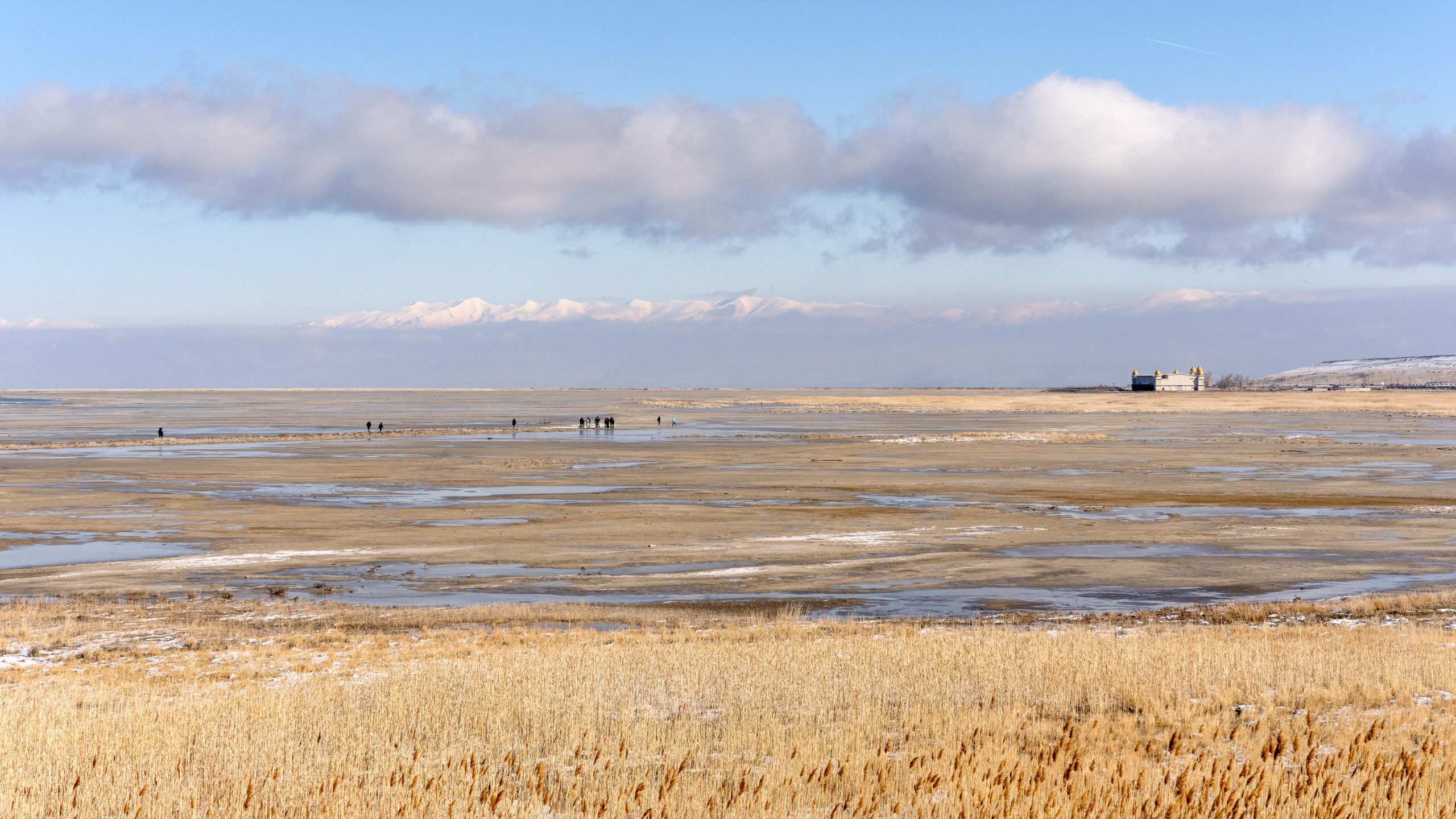
DP: When legislation touches the Great Salt Lake, it touches every tribal nation in this region. The lake is not merely an environmental feature; it is a living relative.
Decisions about upstream water use, agricultural policy, development incentives, and mitigation funding ripple outward, affecting ecosystems, health, ceremony, and subsistence. When the lake is treated as an economic afterthought or a line item, what is lost is not just water. It is relationship.
Public lands tell a similar story. Many of the lands debated in legislative halls are ancestral homelands, carrying stories older than the state itself. When access, management, or extraction policies are rushed through without Indigenous insight, lawmakers may believe they are solving modern problems while unknowingly reopening ancient wounds.
Tribes watch closely not because we oppose progress, but because we understand consequences.
RB: You’ve talked before about time—about how fast the session moves. Why does that matter?
DP: What makes this watching so difficult is the speed.
Forty-five days may seem efficient in a Western legislative sense, but from an Indigenous perspective, it is a blink of an eye. Our decision-making traditions are not built for speed; they are built for endurance.
Decisions were—and still are—made by listening widely, consulting elders, considering downstream impacts, and asking how an action will affect the seventh generation yet unborn. Time is not an enemy to be defeated. It is a teacher.
When decisions are made too quickly, what gets lost is not only nuance but wisdom. There is little room for ceremony, reflection, or dissent. There is little patience for stories, even though stories are how complex truths are carried.
In the rush to pass bills, lawmakers may meet the procedural requirements while missing the responsibility of care.
RB: Where does consultation fit into that—what does “meaningful consultation” actually require?
DP: Consultation matters—but not as a checkbox. As a relationship.
Meaningful consultation does not begin in the final days of a session when language is already locked in. It begins early, sometimes months or years before a bill is drafted.
It requires lawmakers to understand that tribes are not stakeholder groups. We are sovereign governments with our own laws, responsibilities, and timelines.
Good consultation asks different questions: not “How do we notify tribes?” but “How do we involve tribes?” Not “Who can we call?” but “Who should be sitting at the table from the beginning?”
It requires humility—the willingness to listen without already knowing the answer—and respect for the fact that some knowledge is shared slowly and carefully, not on legislative deadlines.
Practically speaking, this means early engagement, transparent communication, and an openness to pause. It means recognizing that sovereignty is not symbolic; it is lived.
And it means understanding that when tribes raise concerns, they are often speaking not only for their citizens, but for the land itself.
RB: If you could offer one measure of “good faith” to lawmakers, what would it be?
DP: From Indigenous lands, we do not expect perfection. We expect good faith. We expect curiosity. We expect a willingness to learn that progress is not measured only by how fast decisions are made, but by how well they hold.
If Utah’s future is to be sustainable—environmentally, culturally, spiritually—then its lawmaking must slow enough to listen.
The land is already speaking. Tribes have been listening for generations. The invitation now is for the state to do the same.
Editor’s note: This conversation is part of TownLift’s ongoing series sharing Indigenous history, culture, and perspectives rooted in Summit County and the surrounding region.


621 E Canyon Gate
Park City, UT 84098
2266 E Garfield Avenue
Salt Lake City, UT 84108