House votes to make daylight saving time permanent

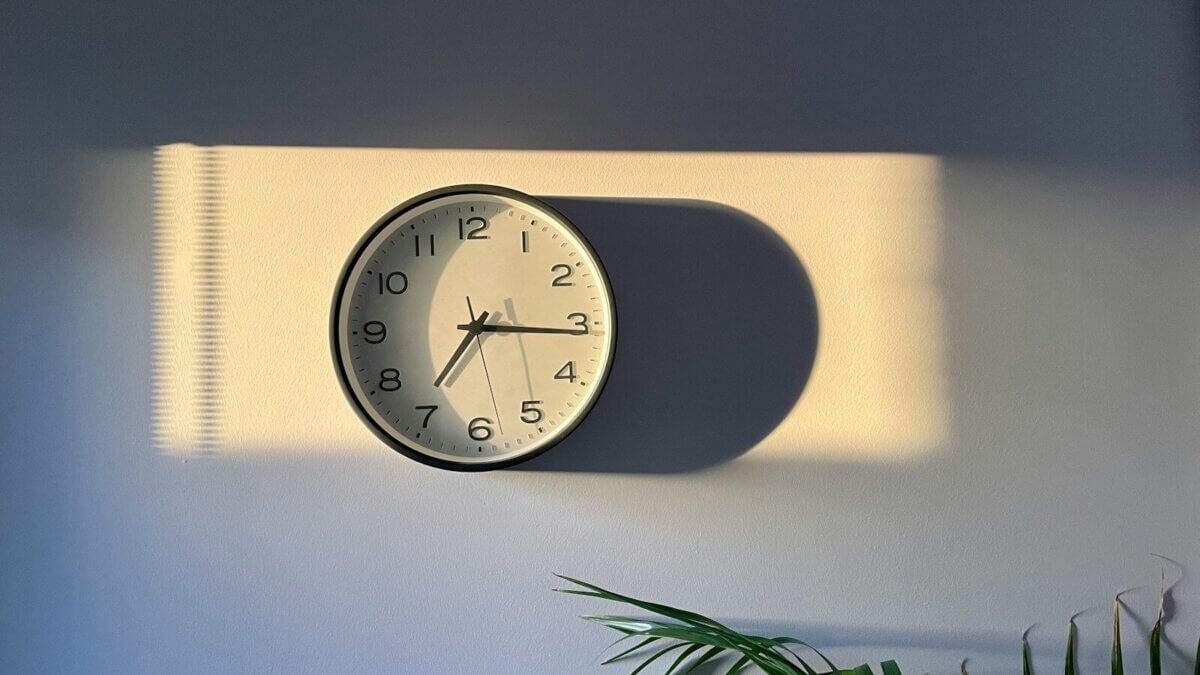
WASHINGTON — The twice-a-year ritual of changing clocks could be coming to an end after the U.S. House approved legislation Tuesday that would make daylight saving time permanent across most of the country.
The House passed the Sunshine Protection Act on a bipartisan 308-117 vote, according to the official House clerk’s roll call. Utah Reps. Celeste Maloy, Mike Kennedy, and Burgess Owens voted for the measure, while Rep. Blake Moore voted against it.
The bill would eliminate the annual “spring forward” and “fall back” clock changes and keep the country on daylight saving time year-round. That would mean later sunsets during the winter, but also later sunrises and darker mornings.
The measure now moves to the Senate, where its future remains uncertain. The Senate approved similar legislation in 2022, but the bill stalled before receiving a vote in the House.
The Associated Press reported that the White House supports the current legislation and would recommend that President Donald Trump sign it if it reaches his desk. Supporters say more evening daylight would benefit families, outdoor recreation, and local businesses. Opponents warn that darker winter mornings could create hazards for children traveling to school and adults commuting to work.
Under current federal law, states can choose not to observe daylight saving time, but states that participate must follow federally established start and end dates, according to the U.S. Department of Transportation. Hawaii and most of Arizona remain on standard time year-round.
The House bill would continue to allow states to opt out and remain on permanent standard time if their legislatures act before the federal measure takes effect.
For Utah, permanent daylight saving time would preserve later evening light through the winter while pushing sunrise an hour later. The clocks are currently scheduled to fall back one hour on Nov. 1.


2266 E Garfield Avenue
Salt Lake City, UT 84108