Park City and Summit County share drivers’ location data with ICE and 4,000 other agencies

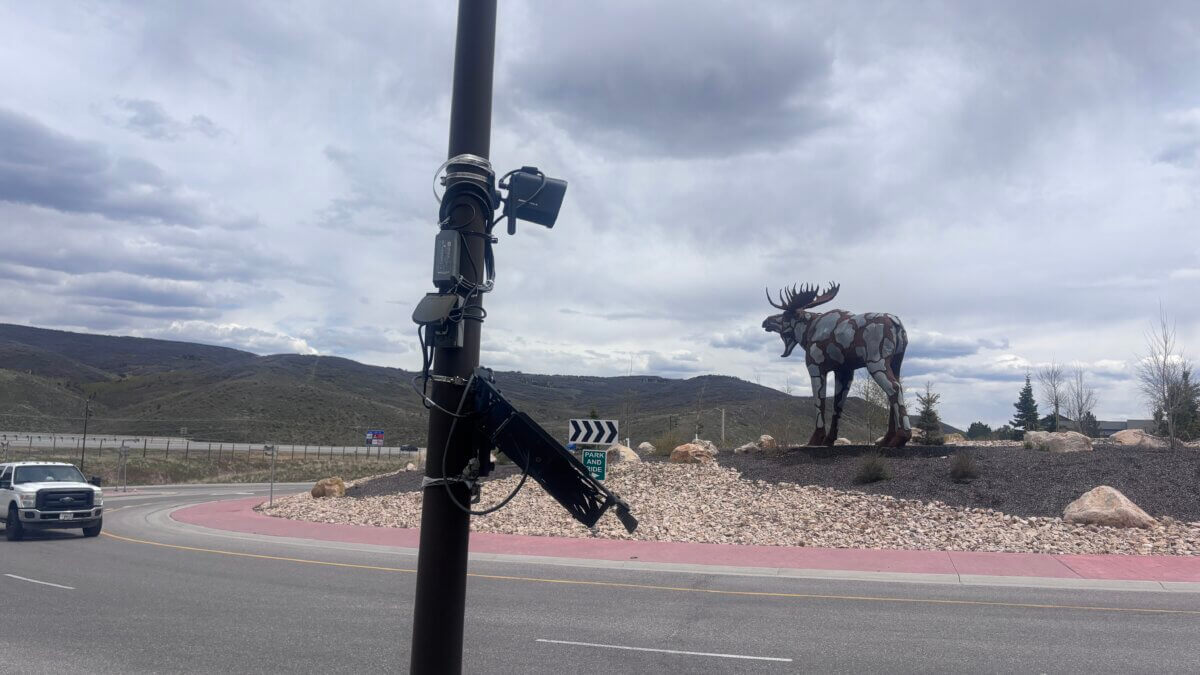
Local cameras track every car that passes and feed the data into a network of more than 4,000 law enforcement agencies, including U.S. Immigration and Customs Enforcement.
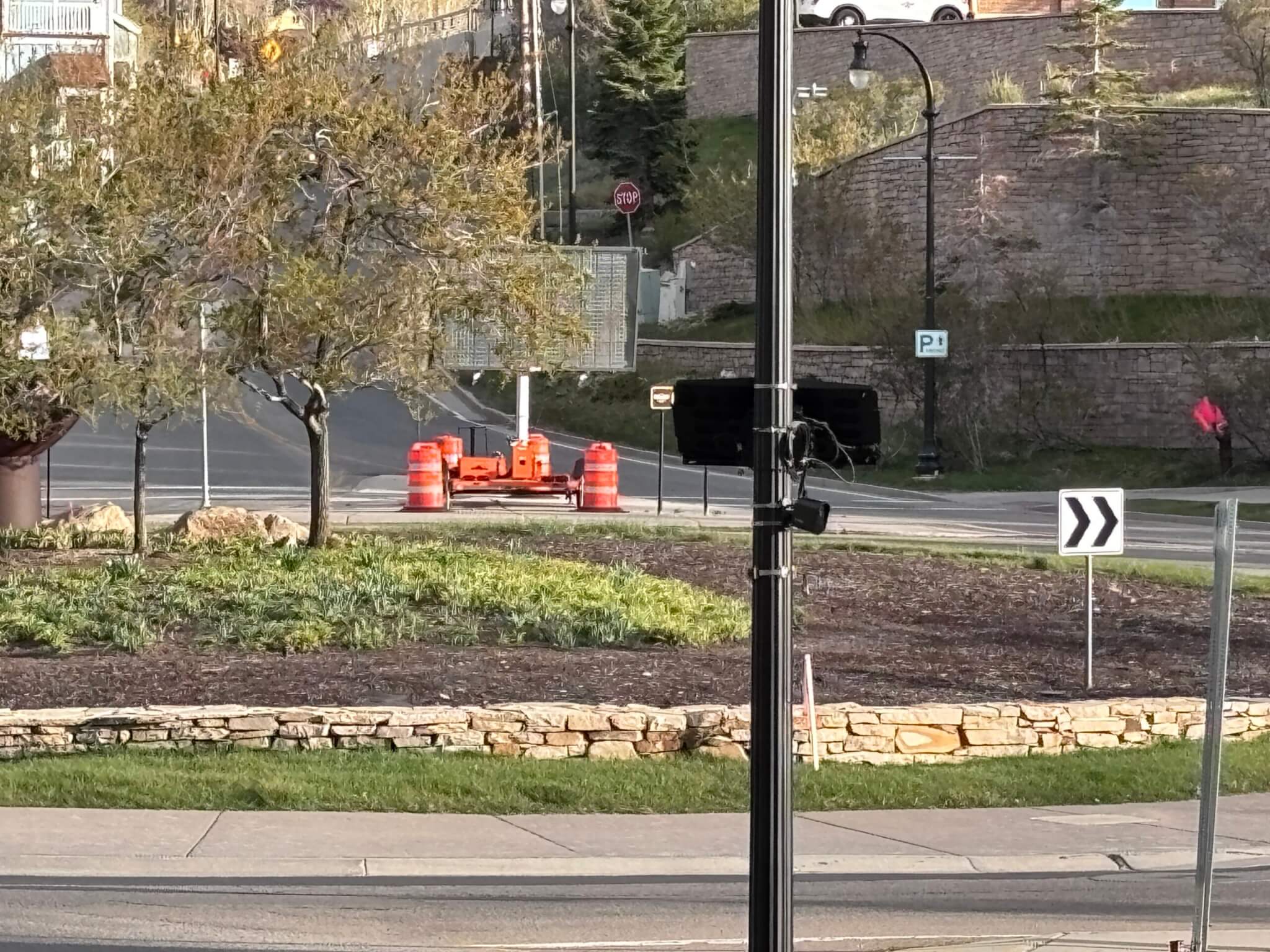
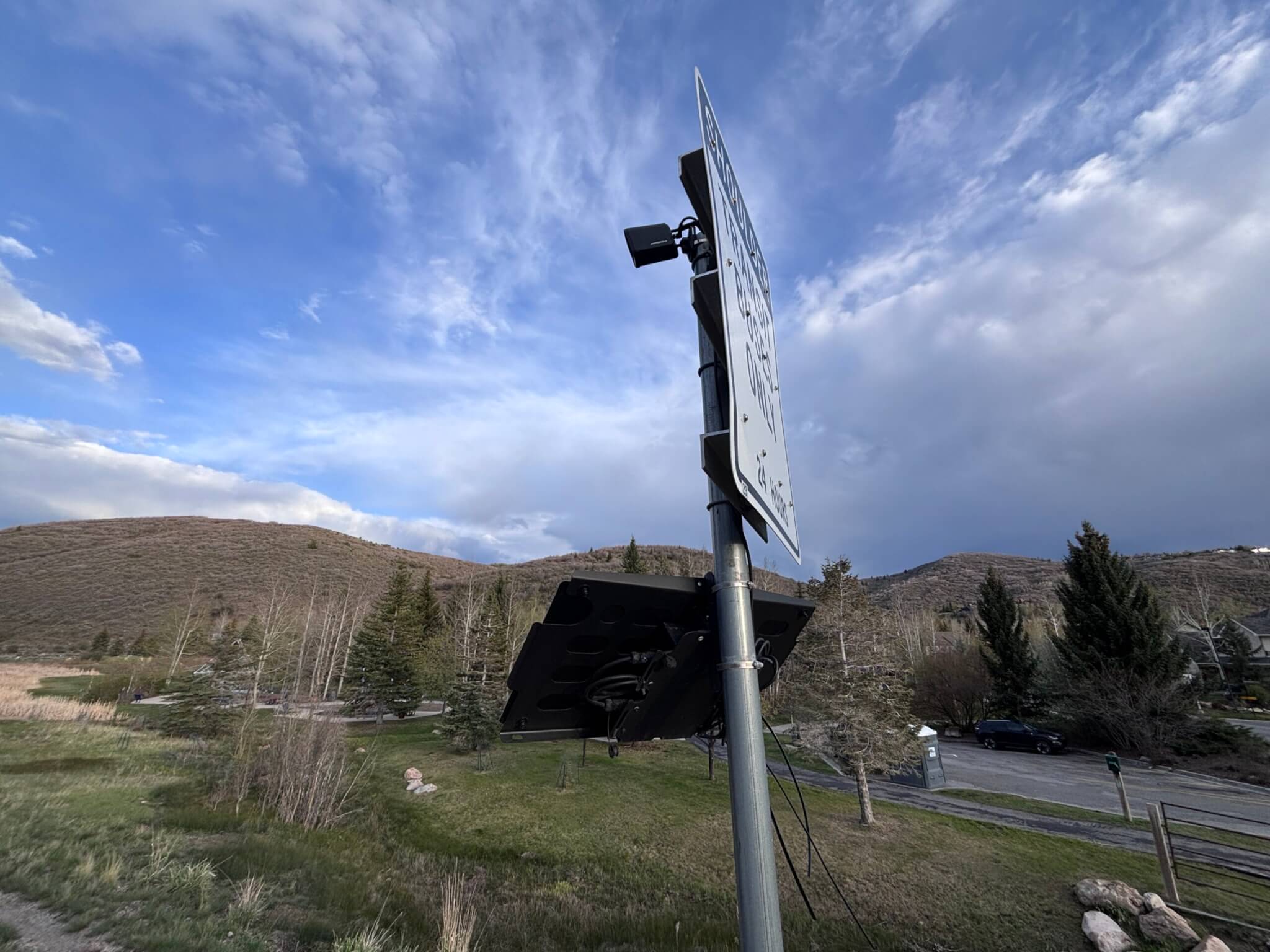
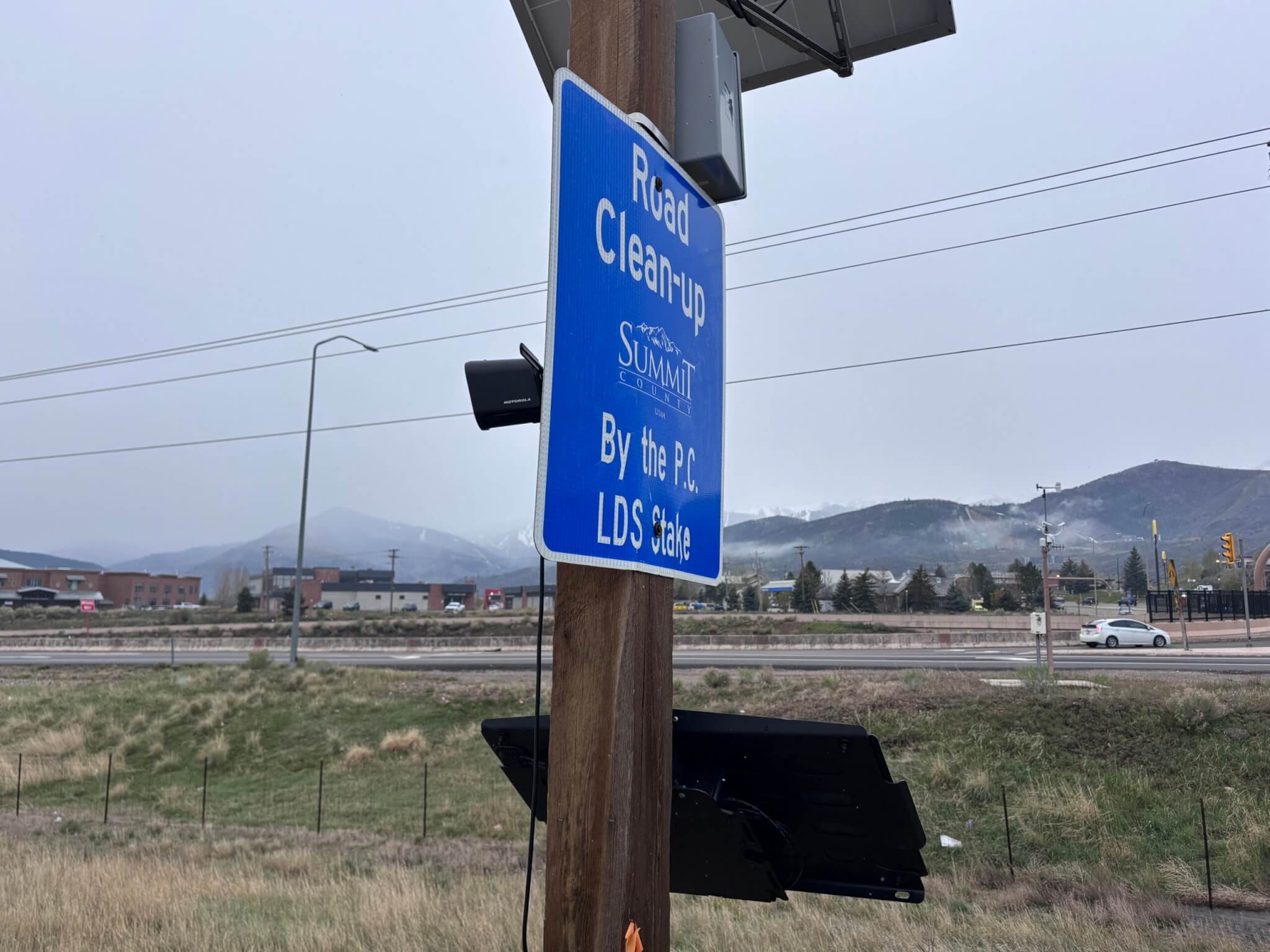
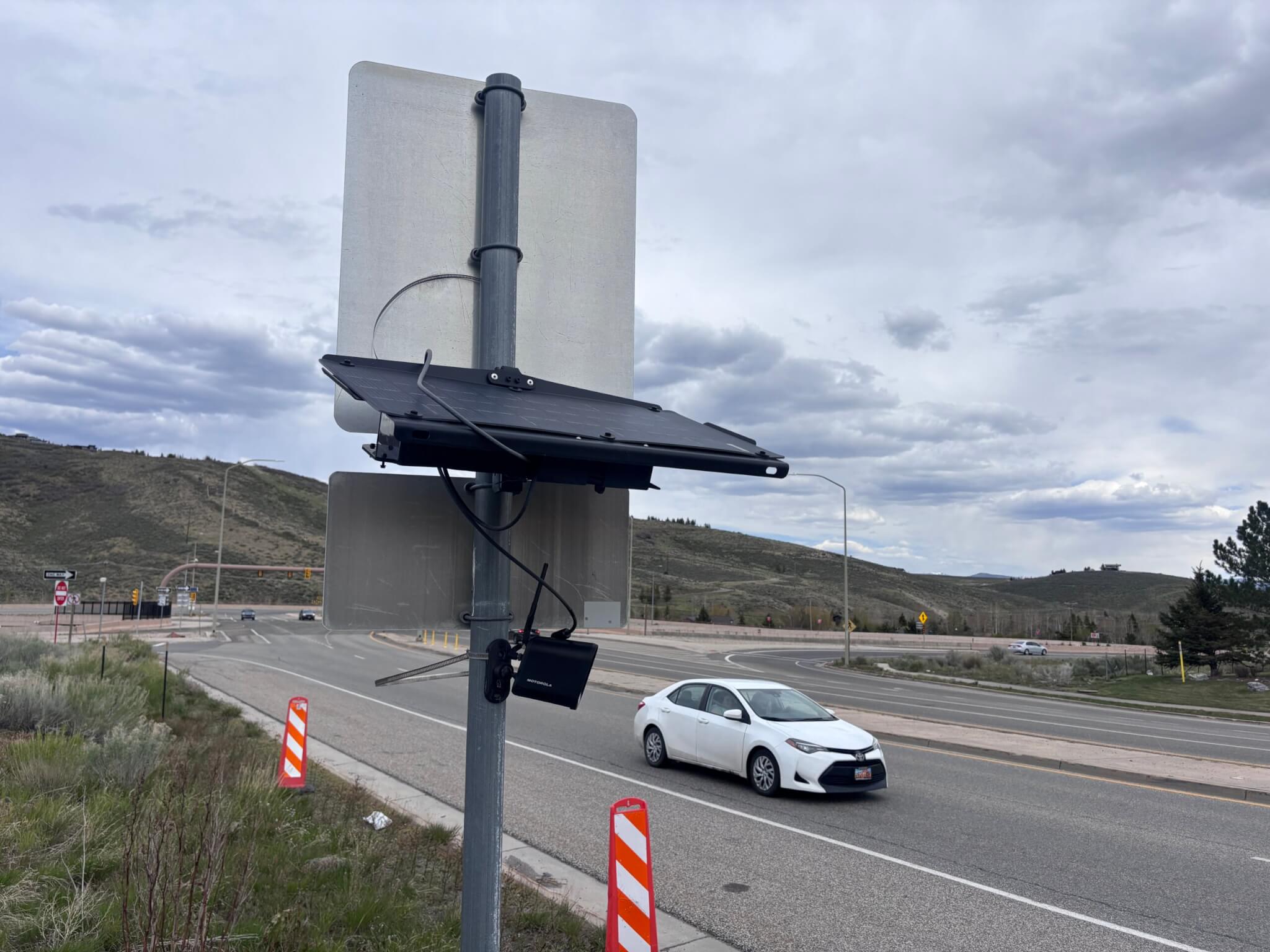
PARK CITY, Utah — Every time you drive into Park City, cameras can capture your license plate. That record of where you were and when doesn’t stay local. It’s shared with a nationwide network of law enforcement agencies.
A Motorola VehicleManager Agency Data Sharing Report for the Park City Police Department, dated May 27, 2026, and obtained by TownLift, lists ICE Enforcement and Removal Operations, the division that conducts immigration arrests, detention and removals, as well as Homeland Security Investigations, U.S. Customs and Border Protection, and the U.S. Border Patrol among the agencies with which data is shared.
The Summit County Sheriff’s Office runs its own compatible system. Its sharing report lists the same federal immigration and border agencies.
The records do not establish whether ICE or another outside agency searched Park City or Summit County license plate data in a specific case. They do show something broader: local, taxpayer-funded surveillance systems feed license plate detection data into a national vendor-run law enforcement network, where ICE and federal border agencies are among those with access to shared data.
That raises a public oversight question for Park City and Summit County: Did residents, and the local elected officials who represent them, know that publicly funded license plate readers could share surveillance data with agencies far beyond local law enforcement?
The timing
The license plate data location-tracking system was in place, and the county had just paid to expand it, as federal immigration enforcement arrived in the Wasatch Back.
On Sept. 16, 2025, Summit County signed a $55,000 contract with Flock Group Inc. for Flock Nova, a platform that, in the county agreement’s words, “allows personnel to access multiple data sources in a single location.” A statement of work attached to the contract, written for the Summit County Sheriff’s Office and effective July 16, 2025, lists those sources: the county’s dispatch and records systems, Axon body cameras, drone and live-911 feeds, public-records data, and license plate readers, including Motorola ALPR and Flock ALPR.
The agreement says Flock technicians would “set up real-time data flow” and pull those sources into one searchable system.
Eight days after the contract was signed, on Sept. 24, federal agents detained four people in Park City’s Prospector neighborhood in the first publicly reported ICE operation in the area. Two more operations followed, near Kimball Junction on Dec. 30 and across Park City on April 29, 2026.
County officials have not connected the Flock contract to those enforcement actions. The records obtained by TownLift do not establish whether ICE used Summit County or Park City license plate data in any specific case.
What the records do show is that Summit County was expanding and consolidating its law enforcement data systems at the same time federal immigration agents were operating on local roads. There was no public hearing or council-level discussion about the broader surveillance and outside-agency access questions now reflected in the records, according to a Summit County council member.
What officials said, and what the records show
This spring, as concerns arose about operations, the Summit County Sheriff’s Office and Park City Police Department stated that no local officer had conducted a plate search for federal immigration authorities.
That addresses one question. The records raise another.
The issue is not only whether a local officer searched a plate on behalf of ICE. It is about whether locally collected license plate data is shared in a system where ICE and other federal agencies can appear as external agencies with access to the shared data.
Summit County Sheriff’s Office spokesperson Skyler Talbot said the cameras allow deputies to retrace a suspect’s route.
“We’re able to follow a trail of breadcrumbs,” Talbot said. “There are multiple cameras, so we’re able to dial in on where that vehicle went, the direction they were going.”
Talbot also acknowledged residents’ unease.
“I absolutely see the concerning point, and I would never fault anyone for being concerned,” he said. “Quite frankly, I think it’s good that people are concerned.”
Talbot said deputies must have an open case and a case number to search the system. The unresolved question is what local agencies can see, audit, or control when outside agencies search shared data through the vendor network.
No public vote
Neither Summit County’s license plate reader program nor the Flock contract went to a County Council vote or public hearing. The Flock deal was purchased as a sole-source contract, with no competitive bidding.
Summit County Councilor Canice Harte said the issue never reached the elected body as a specific policy question.
“To my knowledge, this specific issue was not presented to the Council,” Harte wrote in an email to TownLift.
Asked whether residents were adequately informed that taxpayer-funded license plate readers could collect vehicle-location data and make it searchable by outside agencies beyond local law enforcement, Harte said, “I am not aware of any public outreach or Council discussion regarding this specific operational detail.”
He added: “From the Council’s perspective, we welcome a discussion about the appropriate level of oversight and transparency.”
County Manager Shayne Scott said Harte was correct that the County Council approves department budgets but does not oversee individual purchases of software, hardware, training or other equipment.
“As an organization with 400 employees and millions of dollars spent each month, we are not able to involve the public in the day-to-day purchasing by the staff,” Scott wrote in an email to TownLift.
Scott said hundreds of purchases take place each month and are reviewed by the county’s legal team, procurement officer, auditor’s office, treasurer’s office, department directors and county manager to ensure they follow procurement guidelines and remain within budget.
He defended the technology as a common law enforcement tool.
“License Plate Readers are a common law enforcement practice and are used by dozens of agencies to enforce laws,” Scott wrote. “The net positive in this technology is clear and has allowed our Sheriff’s office to investigate and prosecute dozens of crimes and criminals in Summit County. We are safer because of this technology.”
Park City Mayor Ryan Dickey also defended the city’s use of license plate readers, pointing to cases where he said the technology helped police make arrests.
In one case, Dickey said officers investigated an armed burglary in which a suspect broke into a business and fired multiple rounds from a rifle inside the building. By reviewing license plate reader data, officers determined the direction the suspect traveled, located the individual, and safely took the suspect into custody, he said.
In another case, Dickey said officers responded to a report of an individual who allegedly threatened someone with a knife before leaving the area in a vehicle. License plate reader technology helped officers locate the suspect at Park City Hospital, where the person was safely arrested, he said.
“Park City Police use license plate readers as one of many tools to investigate serious crimes and to quickly and safely apprehend dangerous suspects,” Dickey said.
“At the same time, we have clear expectations that officers use LPRs only for lawful public safety purposes, with appropriate safeguards, clear policies, and respect for privacy and civil liberties,” Dickey said. “Park City residents should be confident that our police officers are committed to using this technology responsibly and transparently to maintain the public’s trust and protect public safety.”
The gap
Utah law requires agencies using automatic license plate reader systems to have a written policy. Park City and Summit County both have policies governing how local officers use the technology.
Park City’s policy says ALPR data may be shared only with law enforcement or prosecutorial agencies for official law enforcement purposes or as otherwise permitted by law. It says outside requests must include the requesting agency, the person requesting the data, and the intended purpose.
But the records obtained by TownLift show broad platform-level sharing through Motorola’s VehicleManager system. The Motorola data-sharing memorandum of understanding included in the records describes “simple point-and-click data sharing” between credentialed agency managers whose agencies have data-sharing privileges enabled.
The same MOU says each transaction should be logged with a case number and that agency managers should periodically audit queries to ensure they were made for legitimate law enforcement purposes.
When TownLift asked for records showing which outside agencies had searched local data, neither agency produced a log showing outside-agency searches of Park City or Summit County data. The Sheriff’s Office has said it tracks its own deputies’ searches. Park City Police said it does not log outside searches as a matter of practice.
That leaves the central question unresolved.
Residents are paying for cameras that record where vehicles are seen, when they are seen, and in which direction they are traveling. Those records are shared through a national law enforcement network that includes ICE and other federal agencies. Summit County has also purchased a platform designed to consolidate multiple public safety data sources into a single searchable system.
Officials say the technology keeps the community safer. The records show the data-sharing reach is broader than the public discussion around it.
What remains unclear is who outside Park City and Summit County has searched local license plate data, whether those searches are reviewed locally, and whether residents knew their tax dollars were funding surveillance infrastructure capable of reaching this far.


2266 E Garfield Avenue
Salt Lake City, UT 84108